

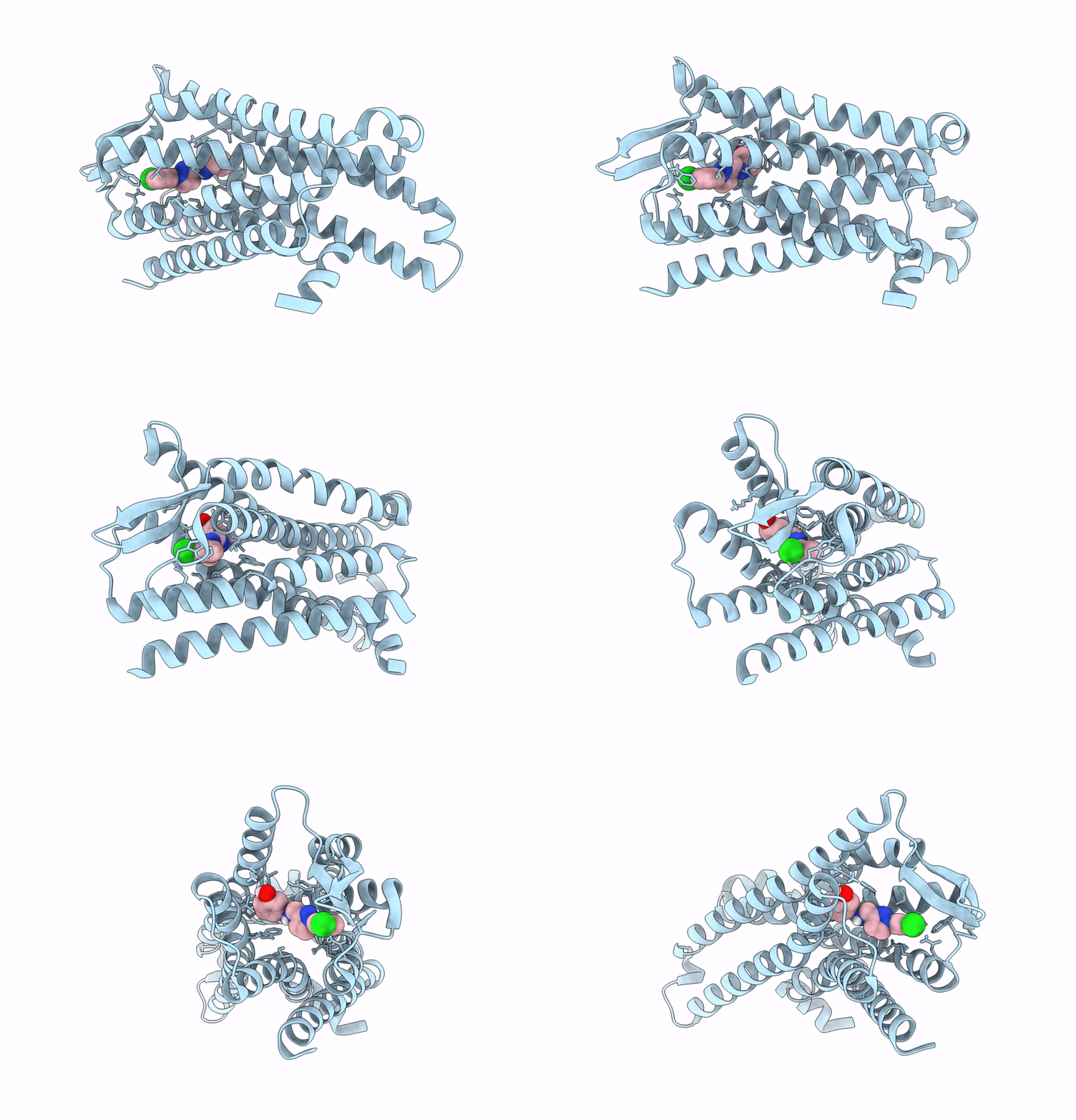
9PPQ image
Deposition Date 2025-07-21
Release Date 2026-03-04
Last Version Date 2026-03-25
Entry Detail
PDB ID:
9PPQ
Title:
Locally-refined Mu-Opioid Receptor bound with novel compound 0505 (3-[({[(1P)-1-(3-chlorophenyl)-1H-pyrazol-3-yl]methyl}amino)methyl]phenol)
Biological Source:
Source Organism(s):
Homo sapiens (Taxon ID: 9606)
Expression System(s):
Method Details:
Experimental Method:
Resolution:
3.34 Å
Aggregation State:
PARTICLE
Reconstruction Method:
SINGLE PARTICLE
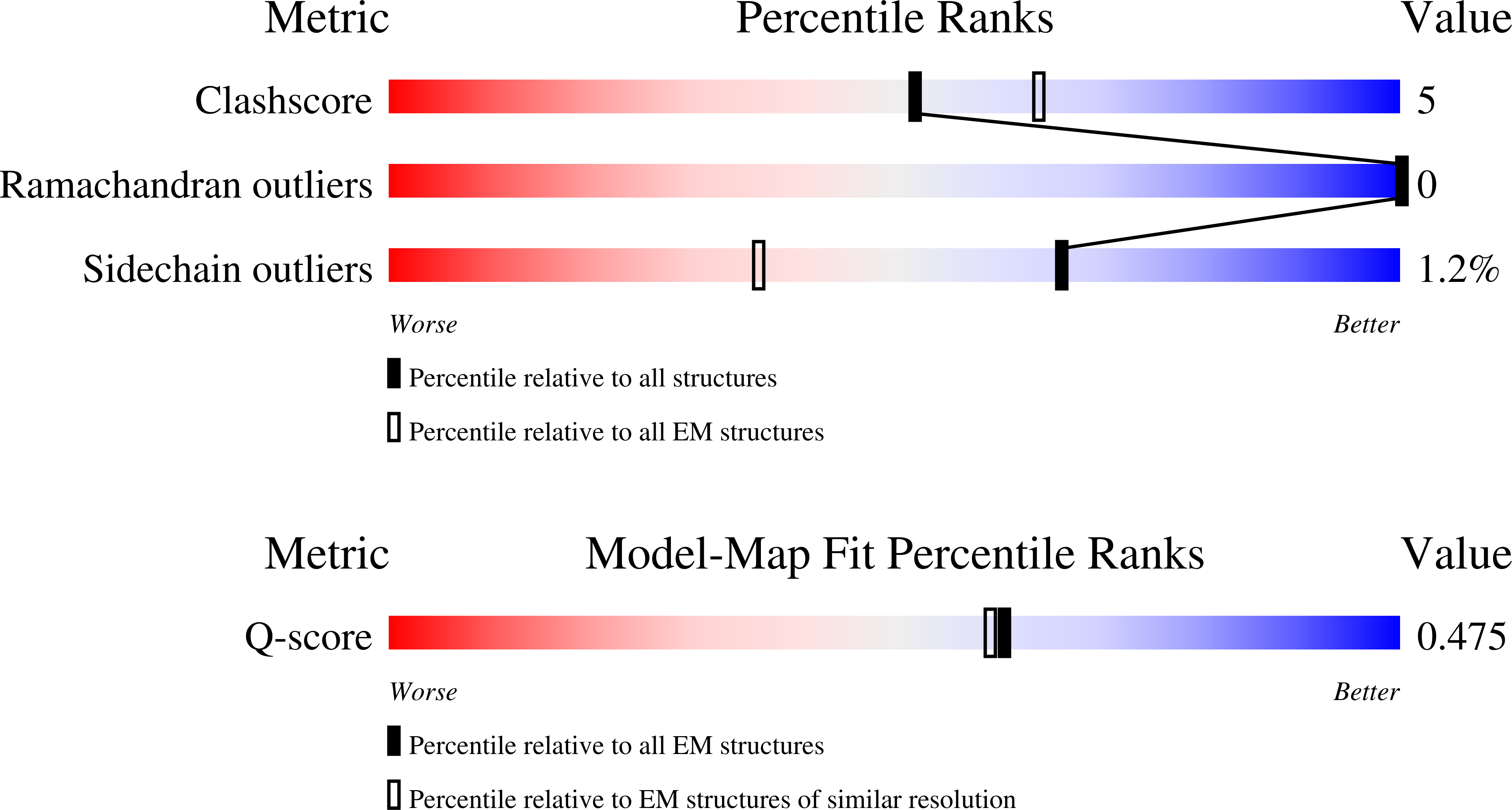
Macromolecular Entities
Structures with similar UniProt ID
Protein Blast
Polymer Type:polypeptide(L)
Molecule:Mu-type opioid receptor
Gene (Uniprot):OPRM1
Chain IDs:A (auth: R)
Chain Length:334
Number of Molecules:1
Biological Source:Homo sapiens
Ligand Molecules
Primary Citation

Abstact

Polypharmacological molecules are attractive for complex illnesses. Here, we explored large library docking for joint activity against target pairs. Retrospectively, as libraries grew, so too did the number of likely dual-activity molecules. In prospective docking of a 900-million molecule library against three target pairs (alpha(2A)/SERT, MOR/SERT, and alpha(2A)/MOR), we sought analgesic compounds. Both the alpha(2A)/SERT and SERT/MOR campaigns led to dual binders with low muM to high nM activities with high hit rates; tetrahydropyridines from the alpha(2A)/SERT campaign were also active against 5-HT(2A). However, even though cryo-EM structures confirmed the docking-predicted poses, optimization struggled to improve potency. Still, in mouse behavioral assays, the most potent alpha(2A)/SERT compound ('z7149) was effective against pain without inducing conditioned place preference, and the molecule had potent antidepression and anxiolytic drug-like behavior, consistent with its SERT/5-HT(2A) activities. This study reveals both advantages and challenges of docking for polypharmacology.

Legend

Protein

Chemical

Disease

Primary Citation of related structures
Feedback Form
Name
Email
Institute
Feedback