

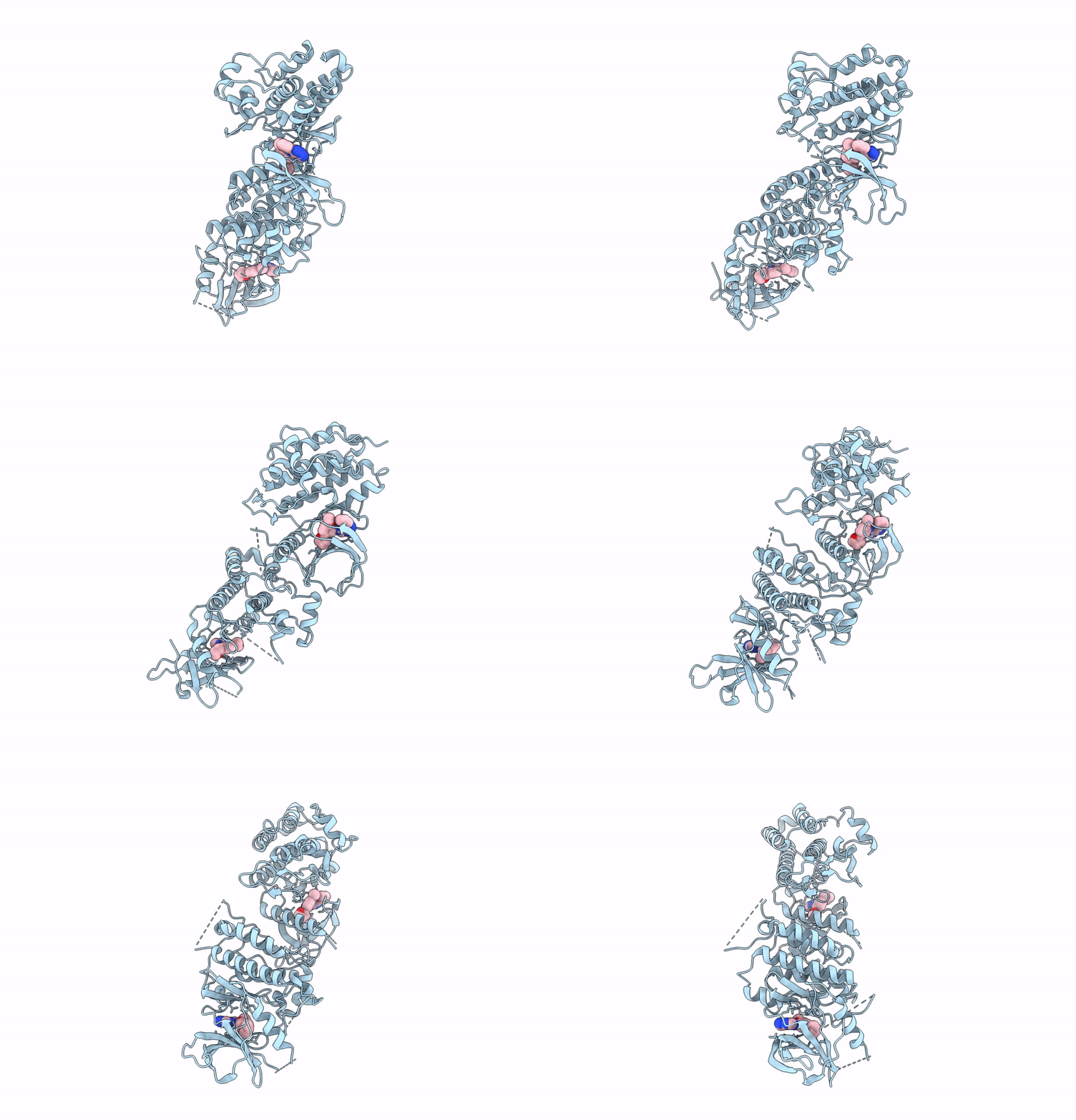
9P9U image
Deposition Date 2025-06-24
Release Date 2025-11-19
Last Version Date 2026-06-03
Entry Detail
PDB ID:
9P9U
Keywords:
Title:
EGFR-KDD with compound2
Biological Source:
Source Organism(s):
Homo sapiens (Taxon ID: 9606)
Expression System(s):
Method Details:
Experimental Method:
Resolution:
3.27 Å
Aggregation State:
PARTICLE
Reconstruction Method:
SINGLE PARTICLE
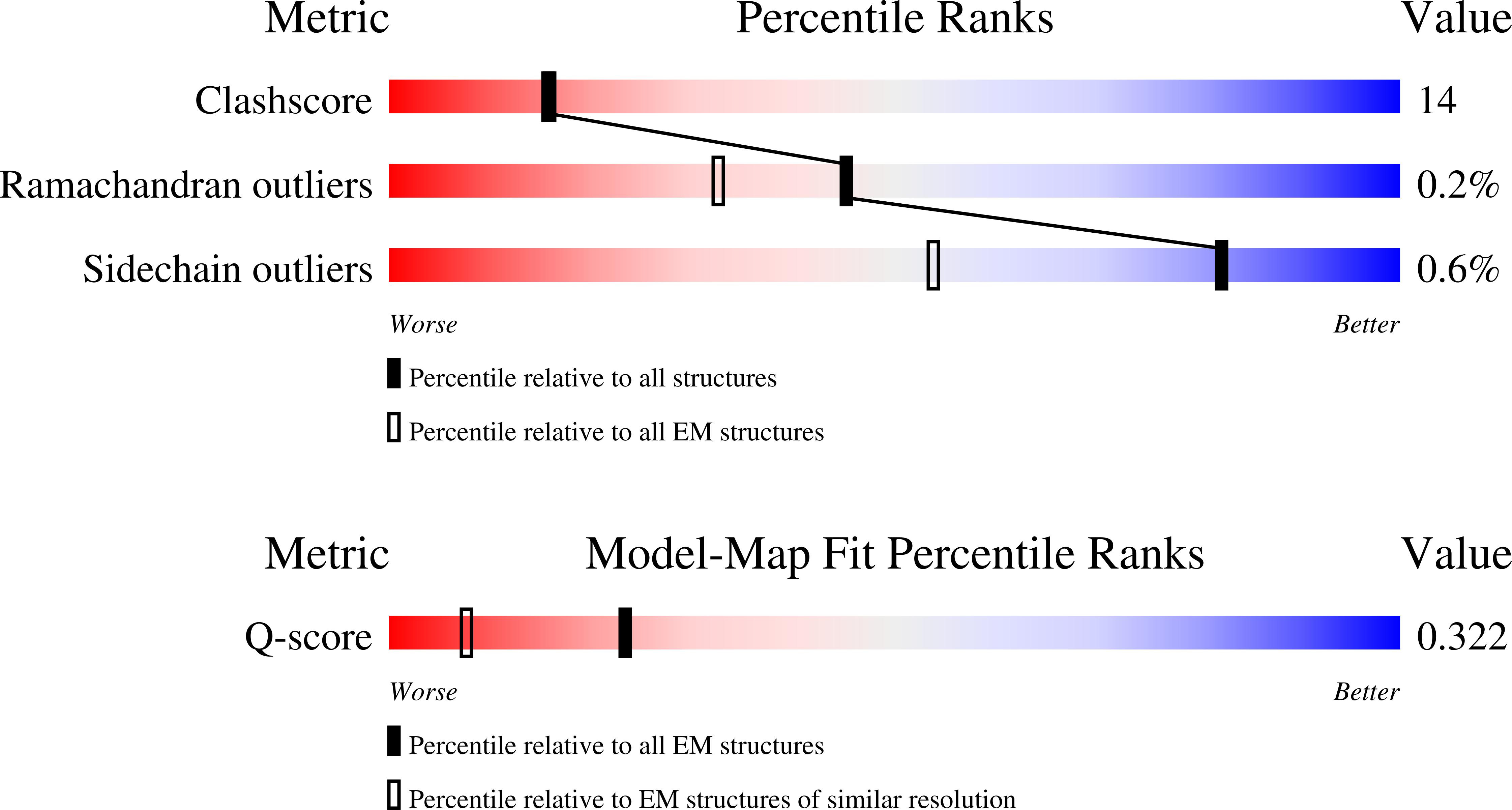
Macromolecular Entities
Polymer Type:polypeptide(L)
Molecule:Epidermal growth factor recep
Gene (Uniprot):EGFR
Chain IDs:A
Chain Length:678
Number of Molecules:1
Biological Source:Homo sapiens
Ligand Molecules
Primary Citation
The role of kinase domain dimerization in EGFR activation.
Structure 34 426 440.e6 (2026)
PMID: 41421344 DOI: 10.1016/j.str.2025.11.017

Abstact

The epidermal growth factor receptor (EGFR) was among the first receptor tyrosine kinases (RTKs) shown to be activated by ligand-induced dimerization. Structural studies explain how ligand binding induces the dimerization of EGFR's extracellular region. Unlike other RTKs, EGFR's intracellular tyrosine kinase domain (TKD) is activated allosterically in an asymmetric dimer that is observed crystallographically, but not in cryo-EM studies of intact EGFR. Here, we show that this asymmetric TKD dimer forms only transiently - explaining its lack of definition by cryo-EM. By engineering an asymmetric TKD dimer and studying a TKD-duplicated lung cancer EGFR variant, we show that TKD dimerization increases kinase activity by several hundred-fold. We were also able to stabilize and visualize discrete asymmetric EGFR TKD dimers at high resolution using cryo-EM. Our findings argue that oncogenic mutations activate EGFR primarily by promoting TKD dimerization, and suggest that the transient nature of EGFR TKD dimers may allow biased EGFR signaling.

Legend

Protein

Chemical

Disease

Primary Citation of related structures
Feedback Form
Name
Email
Institute
Feedback