

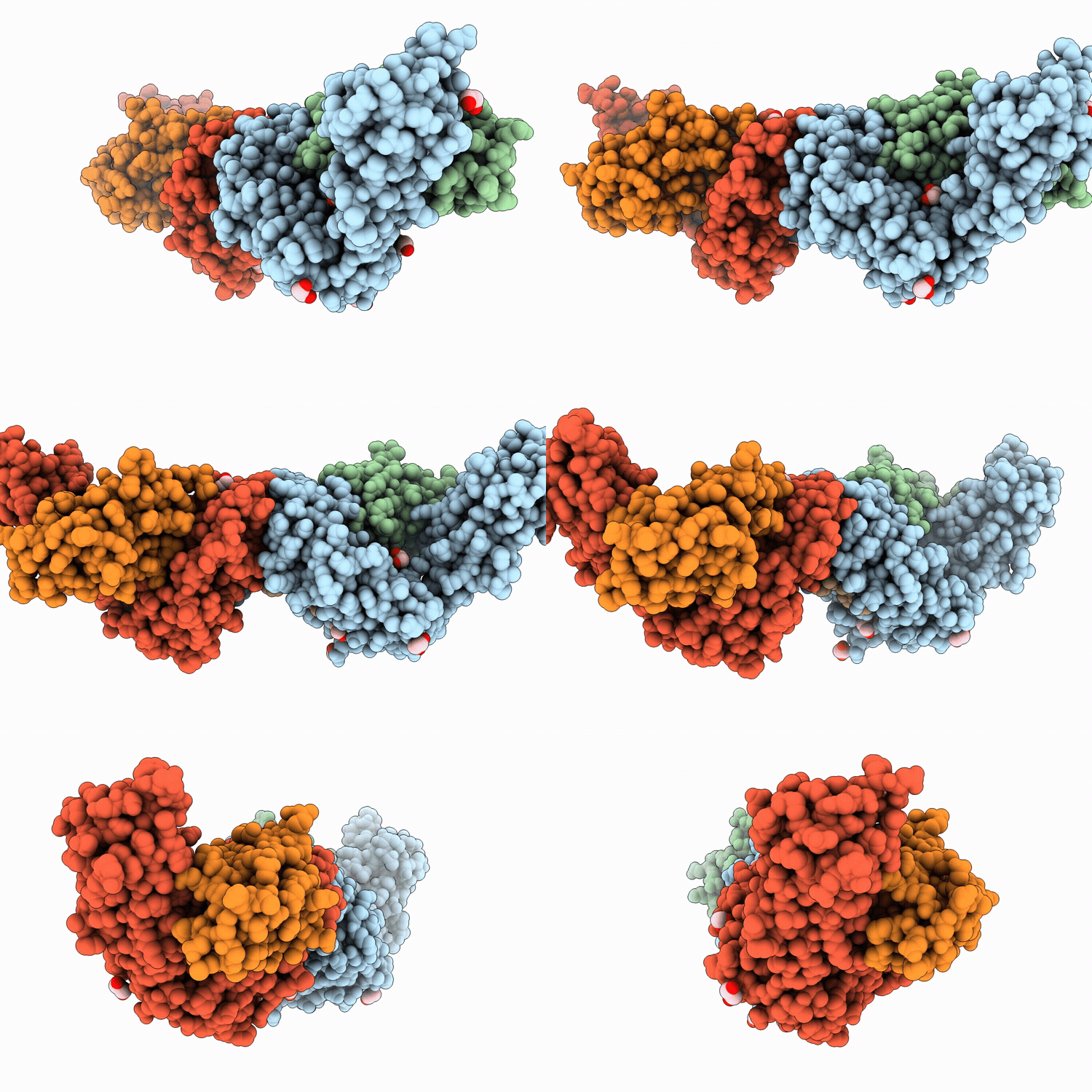
9OBF image
Deposition Date 2025-04-22
Release Date 2026-06-24
Last Version Date 2026-09-30
Entry Detail
PDB ID:
9OBF
Keywords:
Title:
Crystal structure of HLA*02:01 with the 11-mer TP53 peptide GLAPPQHLIRV
Biological Source:
Source Organism(s):
Homo sapiens (Taxon ID: 9606)
Expression System(s):
Method Details:
Experimental Method:
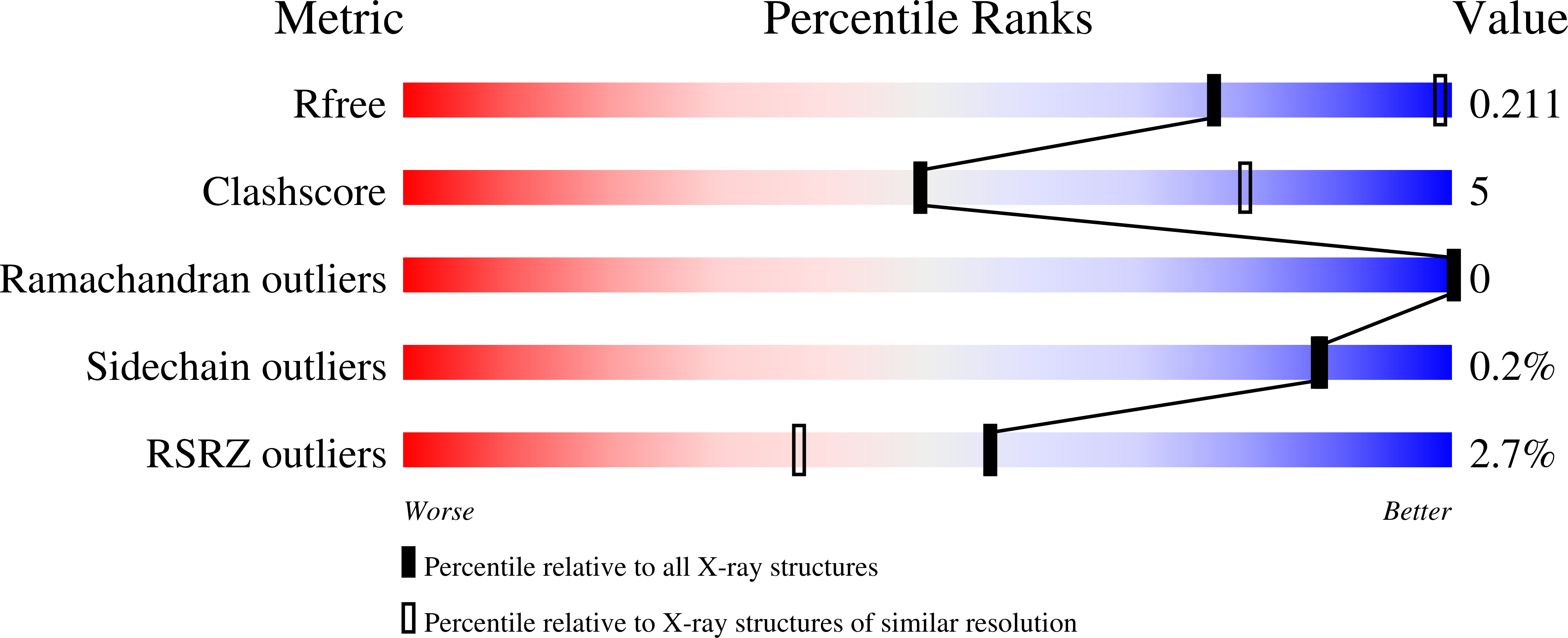
Resolution:
3.25 Å
R-Value Free:
0.21
R-Value Work:
0.19
R-Value Observed:
0.19
Space Group:
P 63 2 2
Macromolecular Entities
Polymer Type:polypeptide(L)
Molecule:MHC class I antigen
Gene (Uniprot):HLA-A
Chain IDs:A, D
Chain Length:0
Number of Molecules:2
Biological Source:Homo sapiens
Polymer Type:polypeptide(L)
Molecule:Beta-2-microglobulin
Gene (Uniprot):B2M
Chain IDs:B, E
Chain Length:0
Number of Molecules:2
Biological Source:Homo sapiens
Polymer Type:polypeptide(L)
Molecule:Peptide from Cellular tumor a
Gene (Uniprot):TP53
Chain IDs:C, F
Chain Length:0
Number of Molecules:2
Biological Source:Homo sapiens
Ligand Molecules
Primary Citation

Abstact

TP53 mutations occur early in malignant transformation as truncal events in tumor evolution and are therefore generally present in all descendant tumor cells, creating an immunological vulnerability. Here, we examined the immunogenicity and antigenicity of p53 neoantigens emerging from these truncal mutations. Comprehensive immunopeptidomics revealed that hotspot mutations in human tumors preferentially localize to p53 regions resistant to antigen processing, thereby avoiding display altogether. Moreover, for neoantigens presentable by HLA-A( *)02:01 or HLA-B( *)07:02 and structurally divergent from corresponding wild-type p53 peptide-HLA complexes, clinical tumors commonly lacked the relevant presenting HLA allele. Tumor cells further resisted T cell killing through increased activity of the aminopeptidase ERAP1, preventing display of high-affinity HLA-A( *)02:01 complexes containing an immunogenic p53(I195F)-derived 11-mer, or by expressing low-affinity HLA-A( *)02:01 complexes containing a p53(R175H)-derived 9-mer with poor antigenicity despite high-quality human TCRs. These findings define mechanisms by which tumors restrict targetable truncal neoantigen display and suggest immunopeptidome shift strategies to circumvent immune escape.

Legend

Protein

Chemical

Disease

Primary Citation of related structures
Feedback Form
Name
Email
Institute
Feedback