

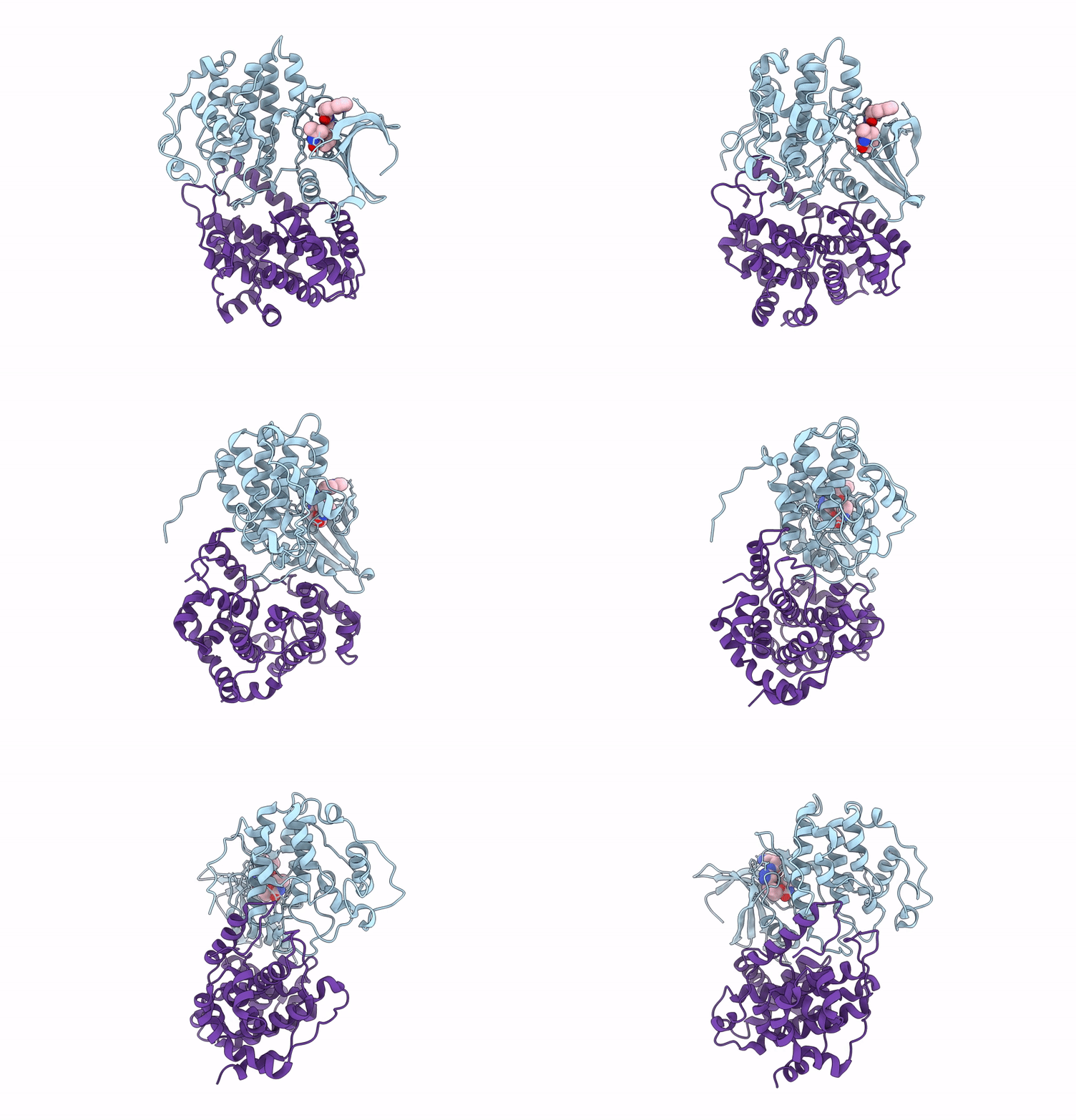
9OB5 image
Deposition Date 2025-04-22
Release Date 2025-04-30
Last Version Date 2026-05-06
Entry Detail
PDB ID:
9OB5
Keywords:
Title:
CDK2/CyclinE bound to compound 20 with P-loop in the EE and CC conformations
Biological Source:
Source Organism(s):
Homo sapiens (Taxon ID: 9606)
Expression System(s):
Method Details:
Experimental Method:
Resolution:
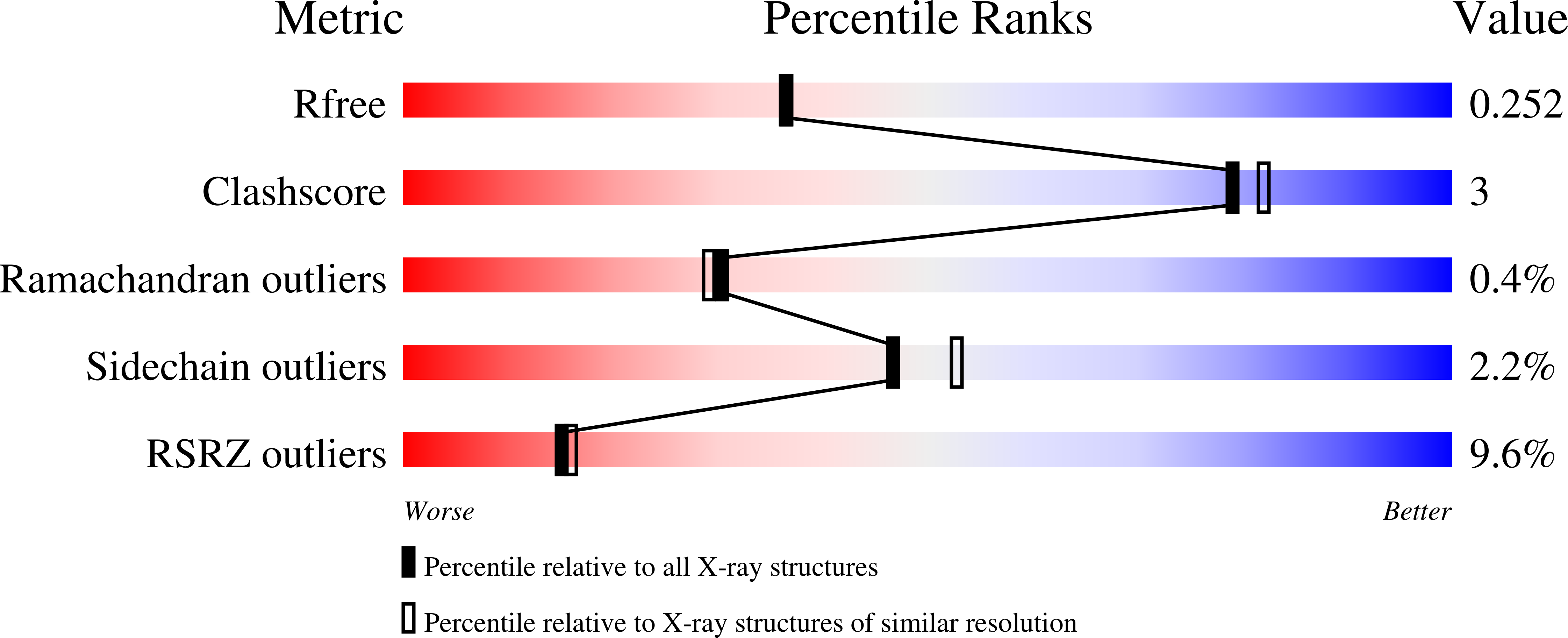
2.10 Å
R-Value Free:
0.25
R-Value Work:
0.23
R-Value Observed:
0.23
Space Group:
P 41 21 2
Macromolecular Entities
Structures with similar UniProt ID
Protein Blast
Polymer Type:polypeptide(L)
Molecule:Cyclin-dependent kinase 2
Gene (Uniprot):CDK2
Chain IDs:A
Chain Length:301
Number of Molecules:1
Biological Source:Homo sapiens
Structures with similar UniProt ID
Protein Blast
Polymer Type:polypeptide(L)
Molecule:G1/S-specific cyclin-E1
Gene (Uniprot):CCNE1
Chain IDs:B
Chain Length:285
Number of Molecules:1
Biological Source:Homo sapiens
Modified Residue
Compound ID Chain ID Parent Comp ID Details 2D Image
TPO A THR modified residue
Ligand Molecules
Primary Citation

Abstact

Modern hit-to-lead optimization winnows down vast chemical spaces of virtual compounds into a selection of potent and selective compounds that can be further profiled with in vitro assays. Today, miniaturized chemical synthesis can be performed in high-throughput, shifting the bottleneck to compound purification. Direct-to-biology (D2B) approaches seek to overcome this hurdle by omitting the purification step and submitting reaction mixtures directly to bioassays. Here, we explore nanoscale hit-to-lead optimization through the multistep synthesis of a library of Cdk2/CycE inhibitors, utilizing ultrahigh-throughput experimentation (ultraHTE) in 1,536-well plates. Library performance is assessed by D2B in functional biochemical, bioaffinity, and X-ray crystallographic assays. A selection of potent lead Cdk2/CycE inhibitors identified by D2B was submitted to a phenotypic cell painting assay, which showed cell cycle arrest at G(0), consistent with Cdk2 inhibition. This miniaturized workflow allows the upper tiers of a typical optimization screening cascade to be performed in a single experiment.

Legend

Protein

Chemical

Disease

Primary Citation of related structures
Feedback Form
Name
Email
Institute
Feedback