

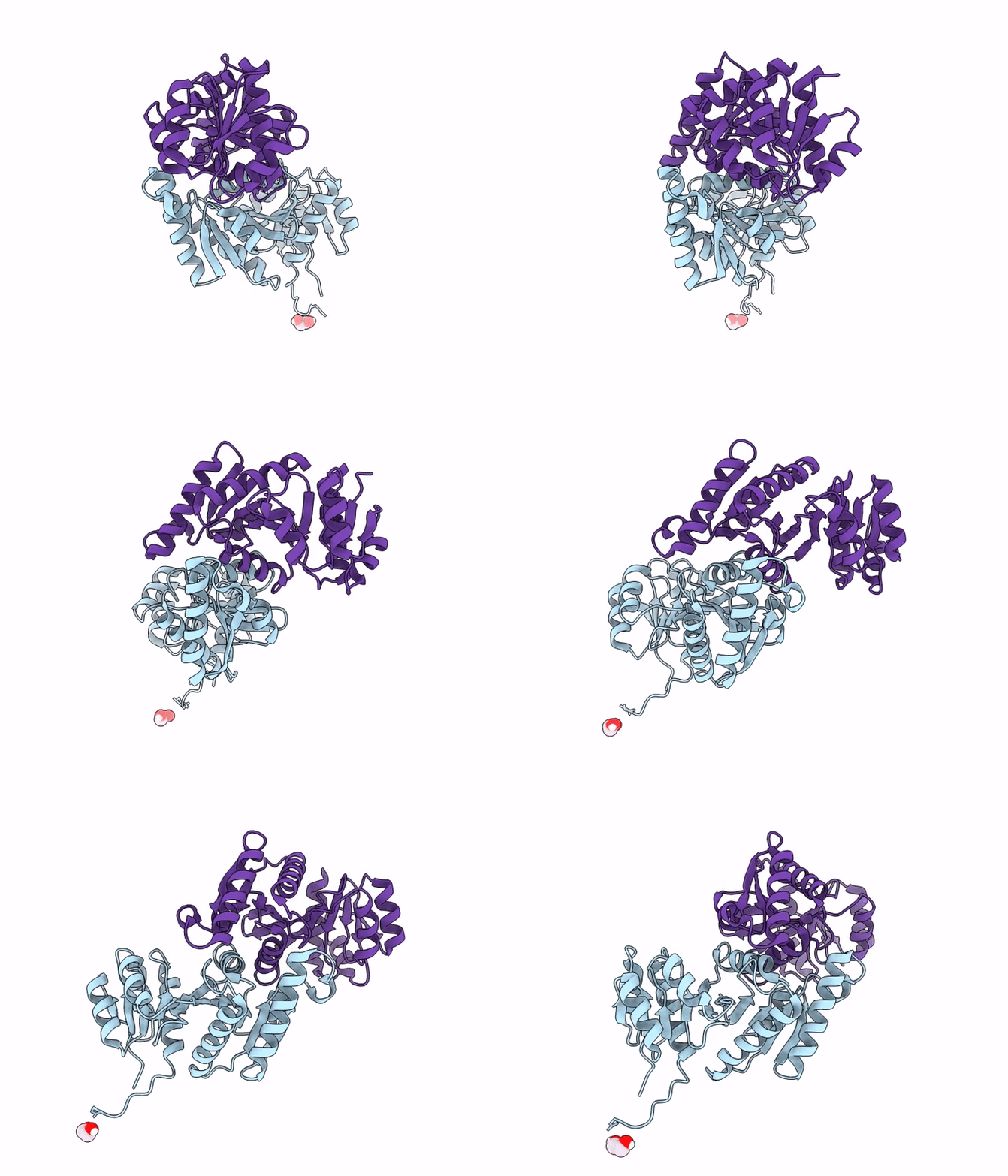
9NZY image
Deposition Date 2025-04-01
Release Date 2026-02-11
Last Version Date 2026-03-25
Entry Detail
PDB ID:
9NZY
Title:
Structure of Methanogen MtxX (Methanogen Marker Protein MMP4) from Methanothermobacter thermautotrophicus
Biological Source:
Expression System(s):
Method Details:
Experimental Method:
Resolution:
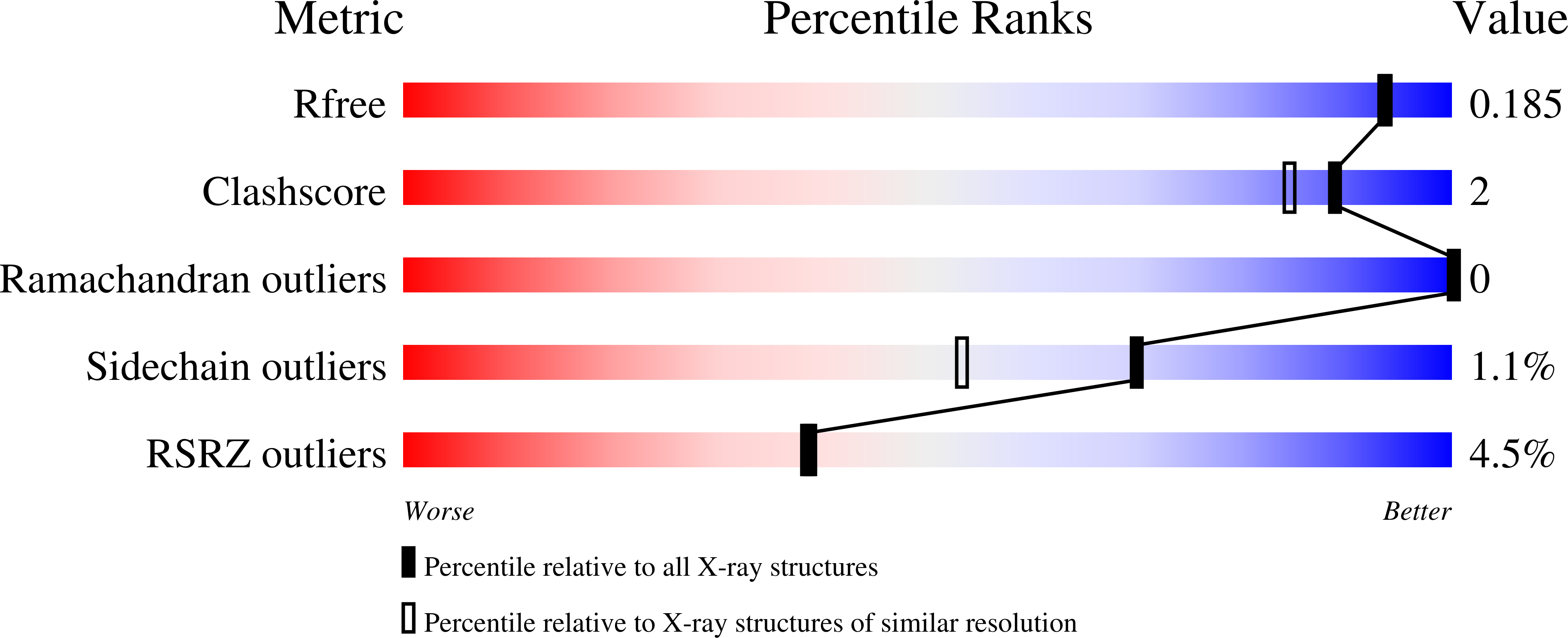
1.60 Å
R-Value Free:
0.18
R-Value Work:
0.16
Space Group:
P 1 21 1
Macromolecular Entities
Structures with similar UniProt ID
Protein Blast
Polymer Type:polypeptide(L)
Molecule:Uncharacterized methyltransfe
Gene (Uniprot):MTH_231
Chain IDs:A, B
Chain Length:275
Number of Molecules:2
Biological Source:Methanothermobacter thermautotrophicus str. Delta H
Ligand Molecules
Primary Citation
Crystal structure of methanogen MtxX (Methanogen Marker Protein MMP4) from Methanothermobacter thermautotrophicus Delta H.
Fems Microbes 7 xtag011 xtag011 (2026)
PMID: 41822306 DOI: 10.1093/femsmc/xtag011

Abstact

MtxX, also known as Methanogen Marker Protein 4 (MMP4), is a member of the group of proteins conserved in archaeal methanogens called the Methanogen Marker Proteins (MMPs). Owing to this taxonomic distribution the MMPs are presumed to have roles related to methanogenesis or are evidence for an evolutionary history associated with methanogenic processes. MtxX is sequence-annotated as either a methyltransferase (EC 2.1.1.-) or a phosphate acetyl/butyryltransferase (EC 2.3.1.8/2.3.1.19). Gene synteny analysis shows mtxX is located next to other MMP genes in Methanomicrobiales, Methanotrichales, and Methanocaldococcus genomes, while in Methanobacteria and Methanococci it is positioned adjacent to undecaprenyl pyrophosphate synthase, a cell wall biosynthesis enzyme. We describe the crystal structure for MtxX from Methanothermobacter thermautotrophicus DeltaH showing that it has a protein fold homologous to phosphate acetyltransferases and decarboxylating NAD(P)-dependent dehydrogenases. The MtxX structure has a conserved binding cleft which is the presumptive functional site based on crystallographic symmetry-related molecular binding interactions and structural homology.

Legend

Protein

Chemical

Disease

Primary Citation of related structures
Feedback Form
Name
Email
Institute
Feedback