

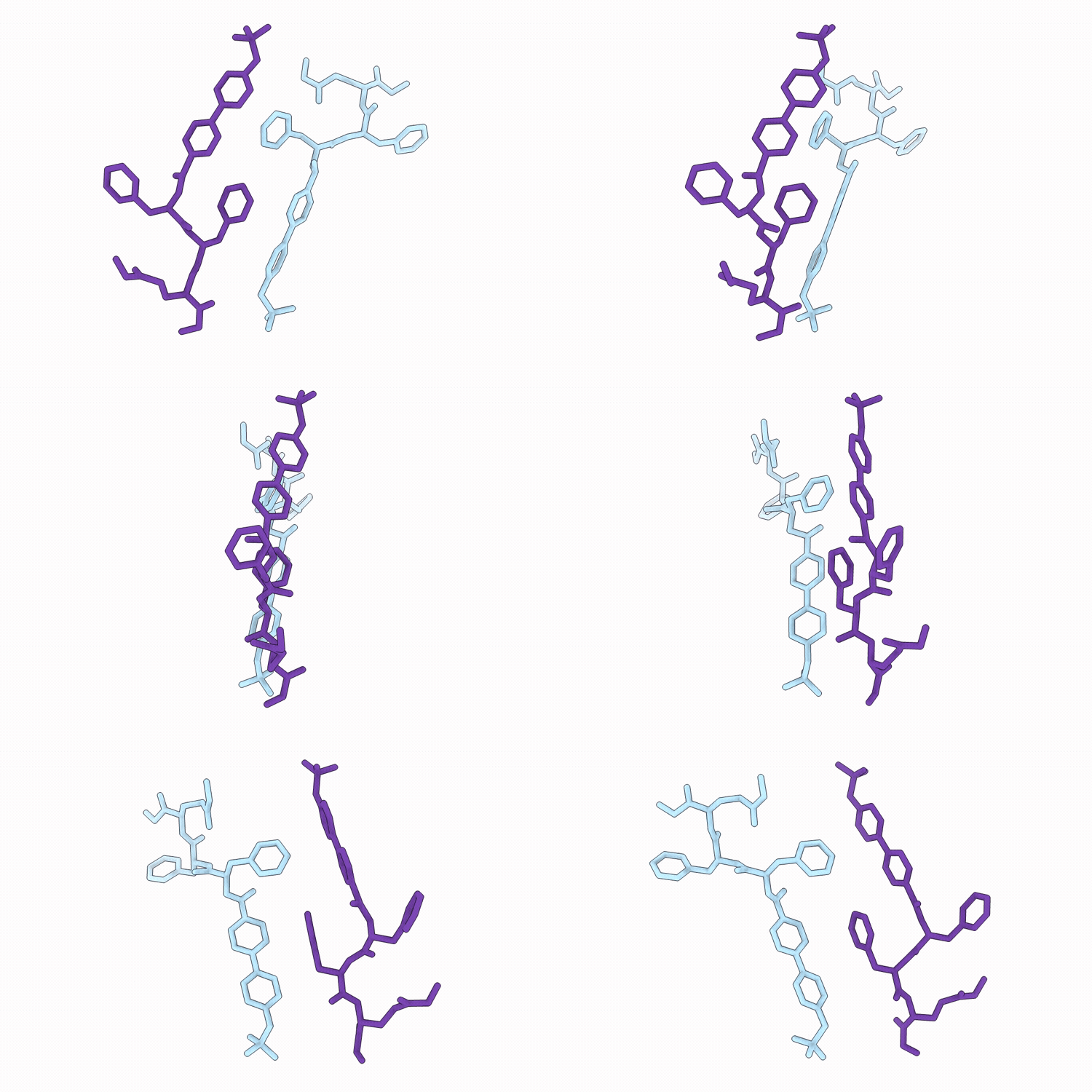
9NXZ image
Deposition Date 2025-03-26
Release Date 2026-04-15
Last Version Date 2026-04-22
Entry Detail
PDB ID:
9NXZ
Keywords:
Title:
Cryo-EM of Class-1 of YM1P nanotube
Biological Source:
Source Organism(s):
Method Details:
Experimental Method:
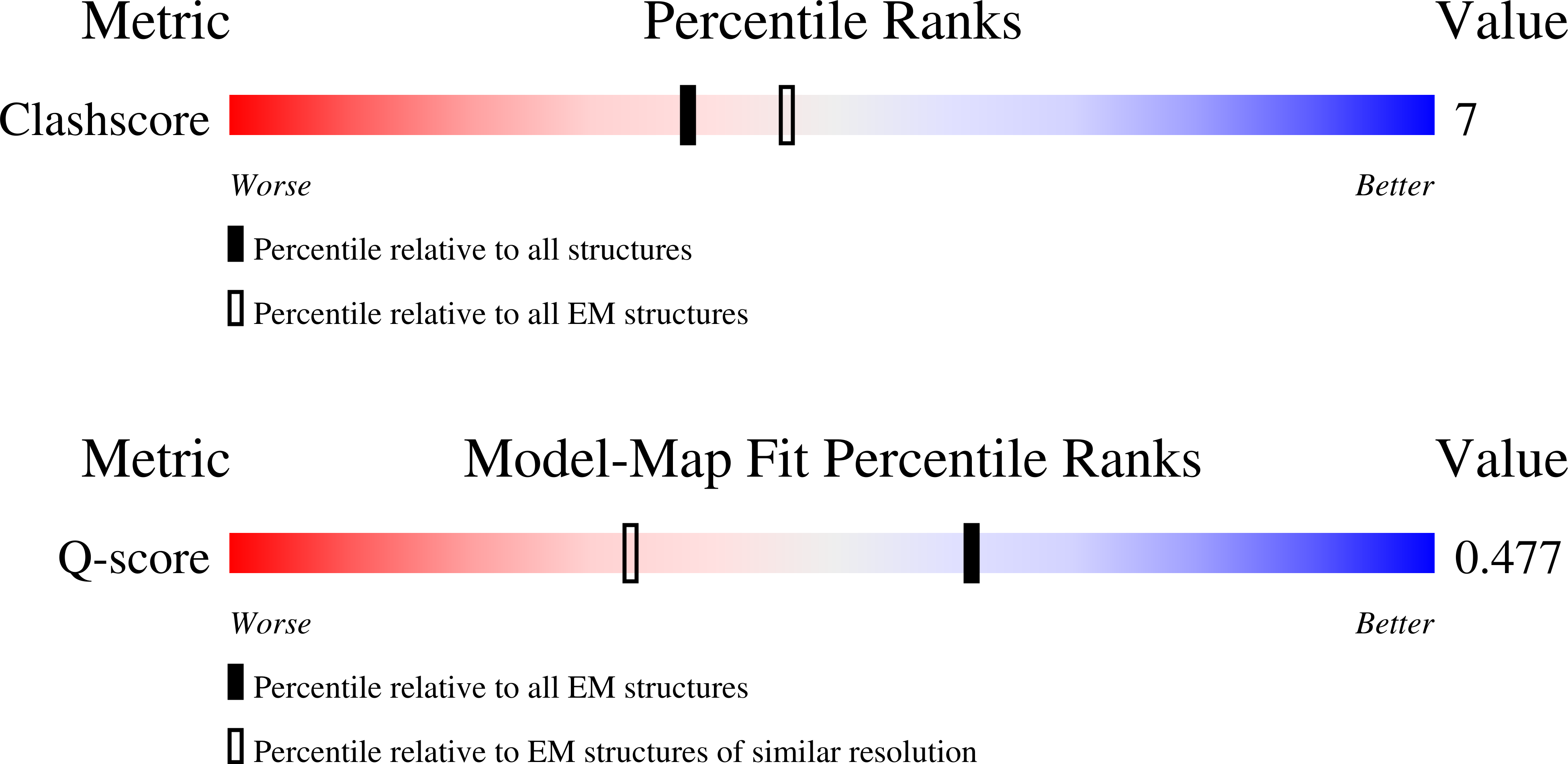
Resolution:
2.80 Å
Aggregation State:
FILAMENT
Reconstruction Method:
HELICAL
Macromolecular Entities
Protein Blast
Polymer Type:polypeptide(D)
Molecule:YM1P
Chain IDs:A, B
Chain Length:4
Number of Molecules:2
Biological Source:synthetic construct
Ligand Molecules
Primary Citation
Cryo-Structural Insights into Enzymatic Peptide Self-Assembly Driving Extrinsic Lytic Cell Death.
J. Am. Chem. Soc. 148 14117 14128 (2026)
PMID: 41875418 DOI: 10.1021/jacs.5c23283

Abstact

Programmed lytic cell death, including pyroptosis and necroptosis, involves intracellular enzymes that form membrane-rupturing pores. Tumor-associated ectoenzymes such as alkaline phosphatase (ALP), however, offer the potential to initiate lytic death extrinsically. Here, we design a phospho-biphenyl-capped peptide precursor that is selectively dephosphorylated by ALP on cancer cell surfaces, triggering enzyme-instructed peptide self-assembly (EISA) into in situ peptide filaments. These supramolecular filaments physically breach the plasma membrane, overwhelm ESCRT-dependent membrane repair, and induce catastrophic calcium influx, cytoskeletal collapse, and organelle dysfunction. While cryo-EM uncovers 2.5-2.9 A resolution details of ordered dimeric packing that underlies their mechanical rigidity and membrane-rupturing capability, cryo-electron tomography (cryo-ET) reveals the filament penetration of the plasma membrane in live cells. By reprogramming ALP from an immune checkpoint ectoenzyme into a pro-death catalyst, this work establishes a molecular mechanism linking enzymatic catalysis to supramolecular order and membrane failure. More broadly, it outlines a supramolecular chemical-biology framework in which enzyme-triggered assemblies function as programmable executors of cell death.

Legend

Protein

Chemical

Disease

Primary Citation of related structures
Feedback Form
Name
Email
Institute
Feedback