

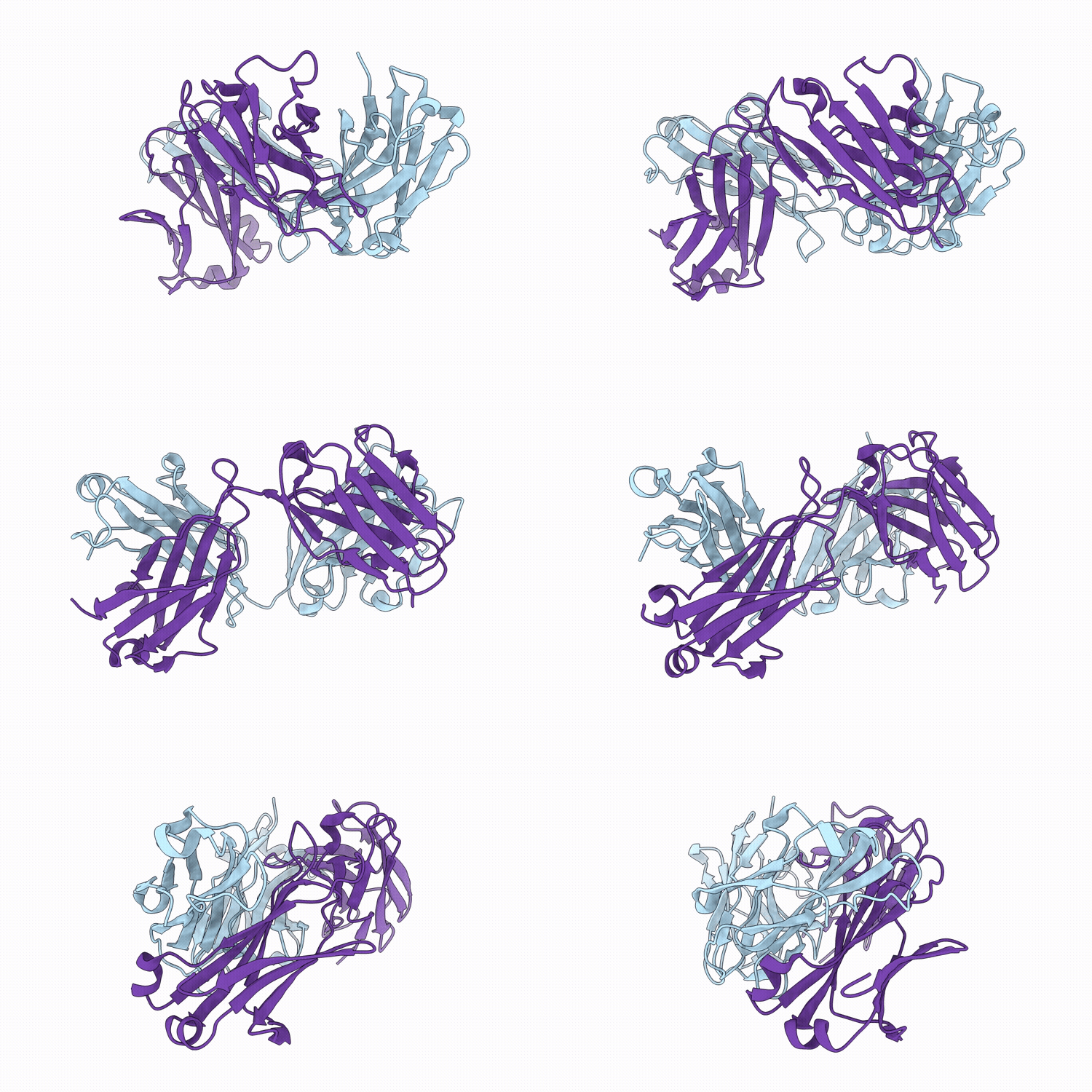
9NW5 image
Deposition Date 2025-03-21
Release Date 2026-03-25
Last Version Date 2026-10-07
Entry Detail
PDB ID:
9NW5
Keywords:
Title:
3H4v31 anti-HLA-E-VL9 Fab
Biological Source:
Source Organism(s):
Mus musculus (Taxon ID: 10090)
Expression System(s):
Method Details:
Experimental Method:
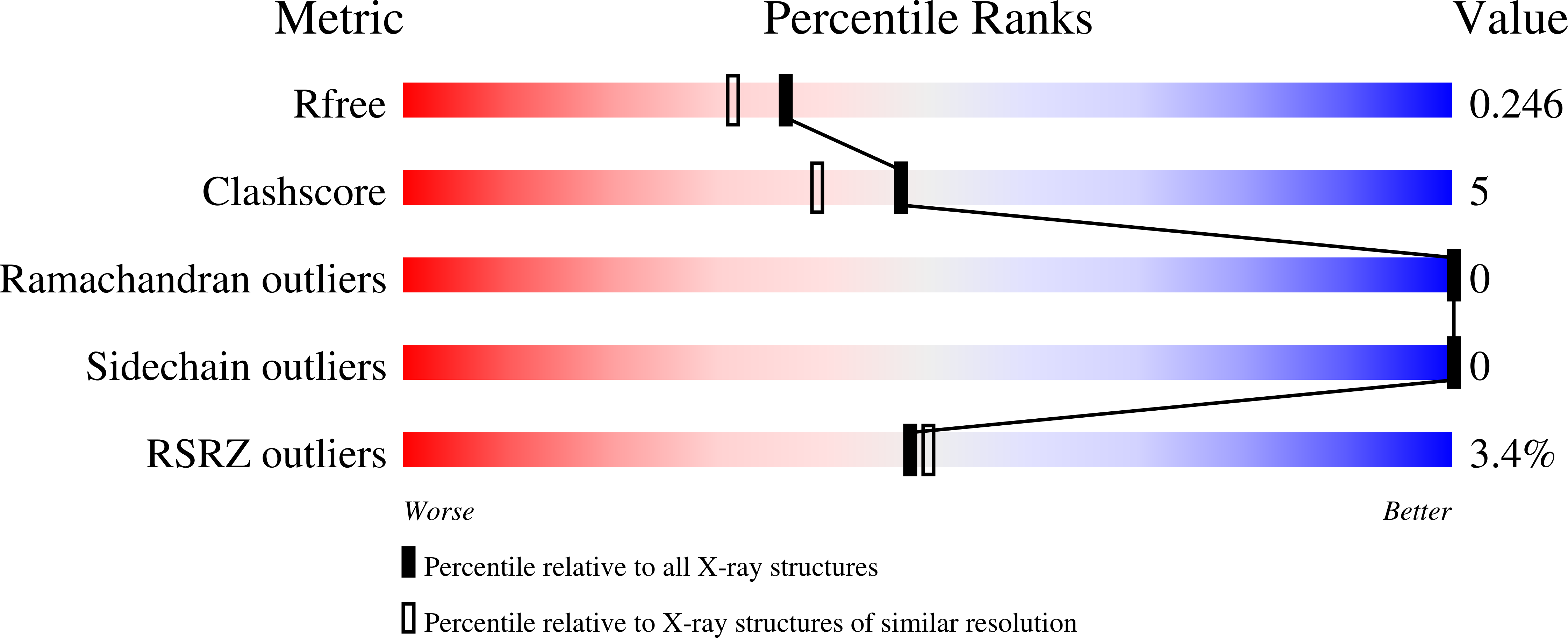
Resolution:
2.05 Å
R-Value Free:
0.24
R-Value Work:
0.21
R-Value Observed:
0.21
Space Group:
P 21 21 21
Macromolecular Entities
Structural Superimposition Protein Blast
Polymer Type:polypeptide(L)
Molecule:3H4v31 heavy chain
Chain IDs:A (auth: H)
Chain Length:235
Number of Molecules:1
Biological Source:Mus musculus
Structural Superimposition Protein Blast
Polymer Type:polypeptide(L)
Molecule:3H4v31 light chain
Chain IDs:B (auth: L)
Chain Length:212
Number of Molecules:1
Biological Source:Mus musculus
Primary Citation
Antibodies against HLA-E-VL9 enhance NK cell and CD8 + T cell cytotoxicity against tumor cells and HIV-infected CD4 + T cells.
Sci Transl Med 18 eaea3879 eaea3879 (2026)
PMID: 42748220 DOI: 10.1126/scitranslmed.aea3879

Abstact

A major natural killer (NK) cell and CD8(+) T cell checkpoint is mediated by the inhibitory receptor NKG2A/CD94 and its ligand, human leukocyte antigen E (HLA-E) complexed with nine-amino acid HLA-Ia leader sequence-derived peptides termed VL9 (HLA-E-VL9). Here, we used structure-based design and high-throughput library screening to generate high-affinity antibodies that block NKG2A/CD94 interactions. These antibodies enabled direct NK and CD8(+) T cell cytotoxicity and mediated NK cell antibody-dependent cellular cytotoxicity (ADCC). Anti-HLA-E-VL9 antibodies enhanced human NK cell line NK-92 killing of HLA-E-VL9(+) human tumors in mice, demonstrating checkpoint inhibition activity in vivo. Moreover, HLA-E-VL9 was found to be expressed on primary human CD4(+) T cells infected with HIV in vitro, and its engagement by HLA-E-VL9 antibodies drove elimination of infected cells by NK cell-mediated ADCC. HLA-E-VL9 antibodies also enhanced the killing of HIV-infected cells by NKG2A/CD94(+) CD8(+) T cells targeting an HIV Rev-derived epitope that complexes with HLA-E. Therefore, anti-HLA-E-VL9 antibodies represent a candidate therapeutic approach to eliminating pathogenic target cells by enhancing both NK cell and CD8(+) T cell function and by promoting ADCC.

Legend

Protein

Chemical

Disease

Primary Citation of related structures
Feedback Form
Name
Email
Institute
Feedback