

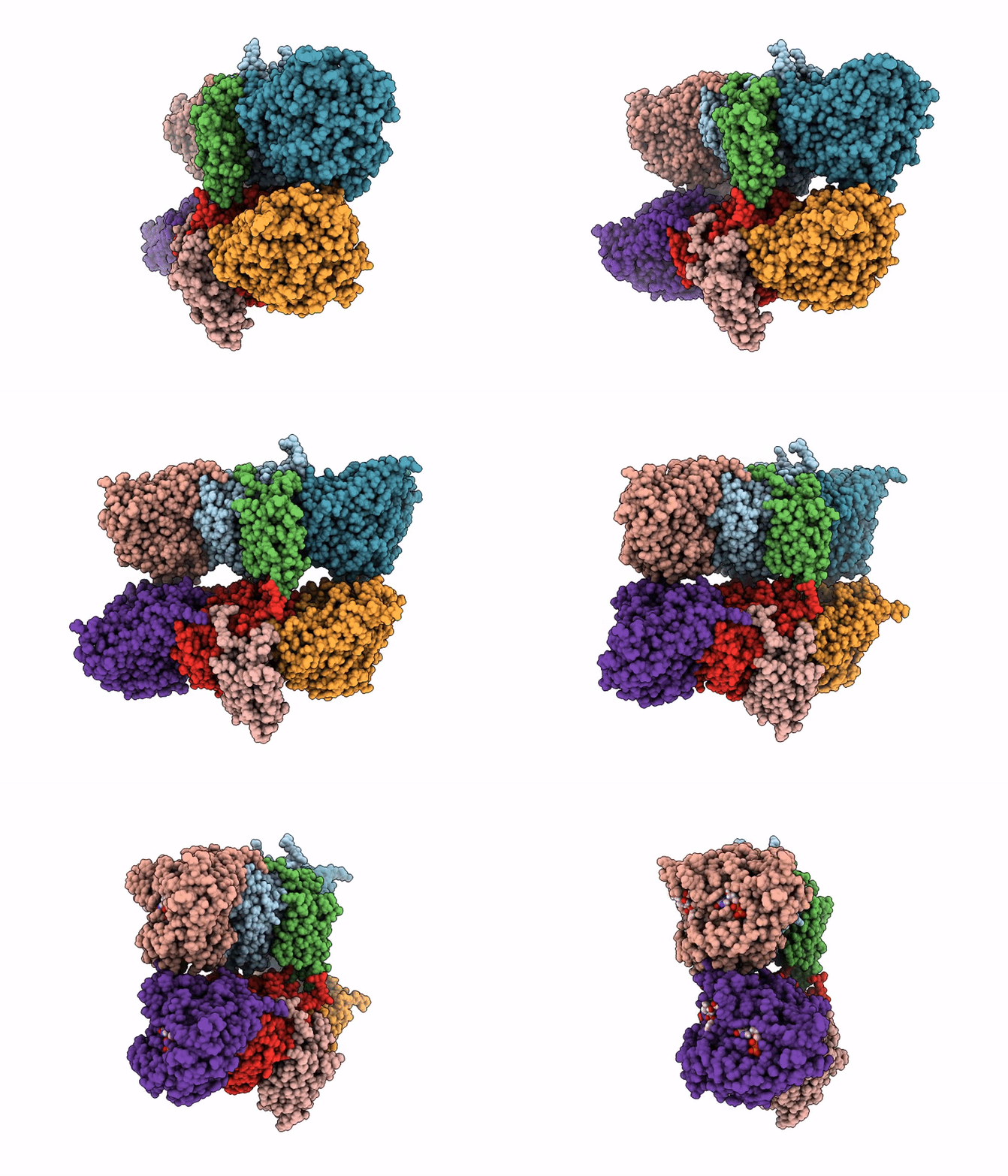
9NNL image
Deposition Date 2025-03-05
Release Date 2026-02-25
Last Version Date 2026-09-02
Entry Detail
PDB ID:
9NNL
Keywords:
Title:
Bordetella filamentous hemagglutinin (FhaB) C-terminal domain bound to microtubules
Biological Source:
Source Organism(s):
Expression System(s):
Method Details:
Experimental Method:
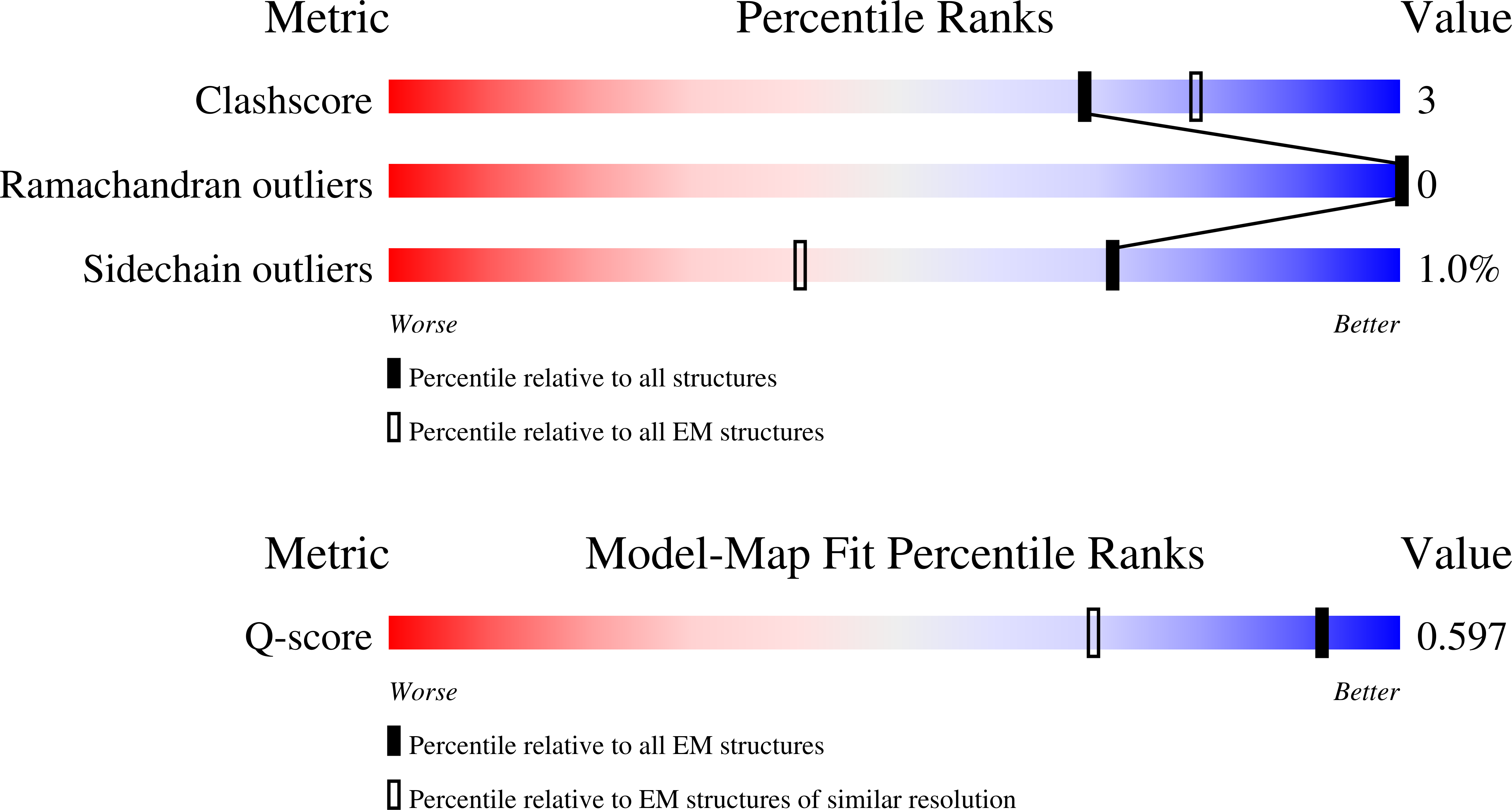
Resolution:
2.42 Å
Aggregation State:
FILAMENT
Reconstruction Method:
HELICAL
Macromolecular Entities
Polymer Type:polypeptide(L)
Molecule:Tubulin alpha-1B chain
Gene (Uniprot):TUBA1B
Chain IDs:G (auth: A), H (auth: E)
Chain Length:0
Number of Molecules:2
Biological Source:Sus scrofa
Polymer Type:polypeptide(L)
Molecule:Tubulin beta chain
Chain IDs:A (auth: B), C (auth: D), D (auth: F), F (auth: H)
Chain Length:0
Number of Molecules:4
Biological Source:Sus scrofa
Polymer Type:polypeptide(L)
Molecule:Filamentous hemagglutinin/adh
Gene (Uniprot):fhaB
Chain IDs:B (auth: C), E (auth: G)
Chain Length:0
Number of Molecules:2
Biological Source:Bordetella bronchiseptica RB50
Primary Citation
Bacteria deliver a microtubule-binding protein into mammalian cells to promote colonization.
Science 391 825 830 (2026)
PMID: 41712723 DOI: 10.1126/science.adz2737

Abstact

Pathogenic Bordetella bacteria use protein adhesins to infect the ciliated respiratory epithelia of vertebrate hosts. In this work, we show that the filamentous hemagglutinin FhaB adhesin of Bordetella carries a C-terminal microtubule-binding domain (FhaB-CT), which is translocated into host cells to promote colonization. FhaB-CT delivery is required to occupy a niche at the base of cilia in airway epithelia, and mutant bacteria lacking this domain are defective for nasal colonization. These observations suggest that FhaB-CT is transferred into motile respiratory cilia to interact with core axonemal microtubules. We propose that Bordetella adheres initially to the tips of cilia and then deploys multiple FhaB adhesins to migrate to the base of the cilia forest, where the bacteria resist removal by the mucociliary "escalator" that normally clears the respiratory tract of microbes.

Legend

Protein

Chemical

Disease

Primary Citation of related structures
Feedback Form
Name
Email
Institute
Feedback