

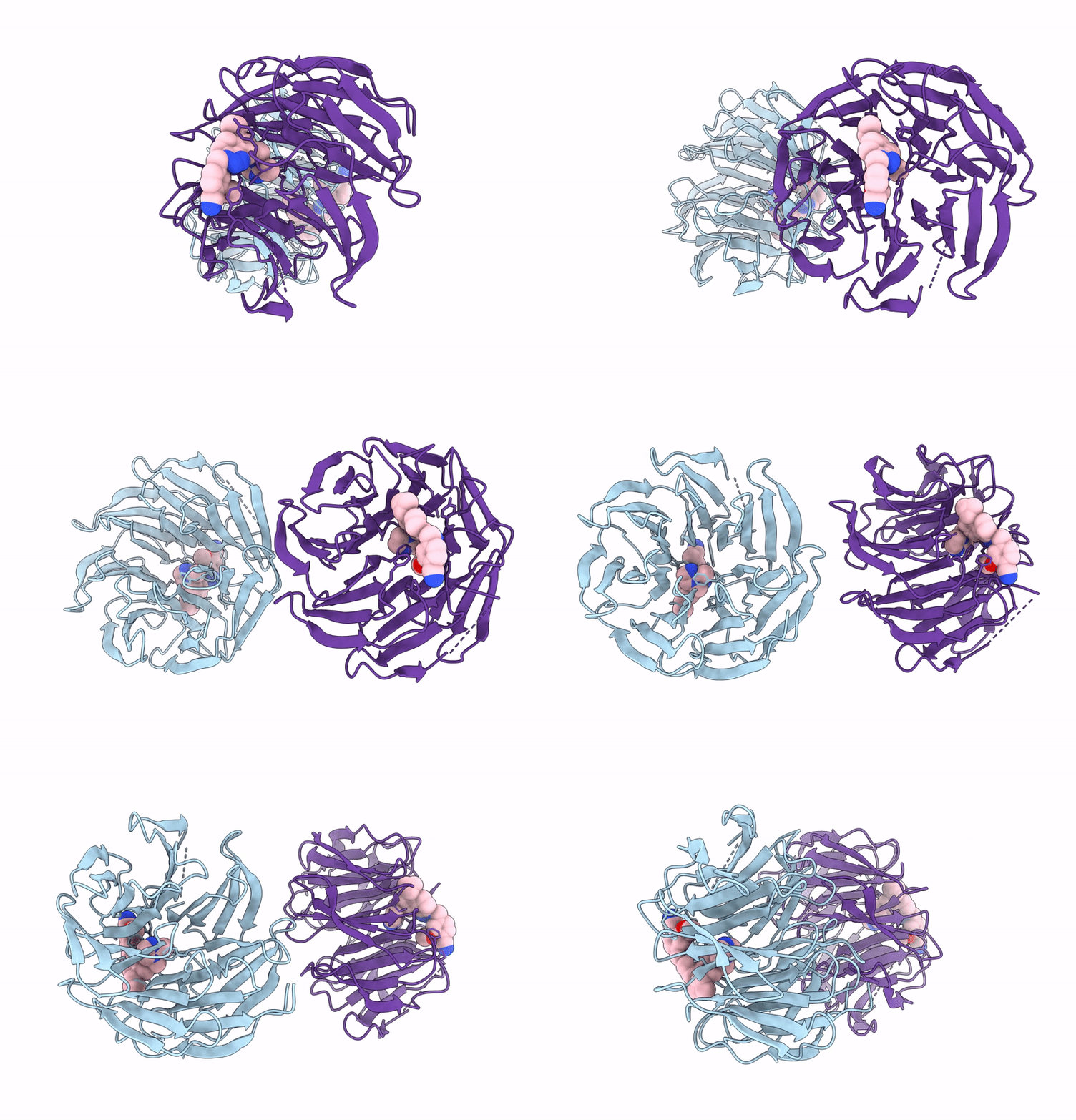
9NCT image
Deposition Date 2025-02-17
Release Date 2025-08-13
Last Version Date 2026-05-20
Entry Detail
PDB ID:
9NCT
Title:
Crystal Structure of WDR5 in complex with Triazole-Based Inhibitors
Biological Source:
Source Organism(s):
Homo sapiens (Taxon ID: 9606)
Expression System(s):
Method Details:
Experimental Method:
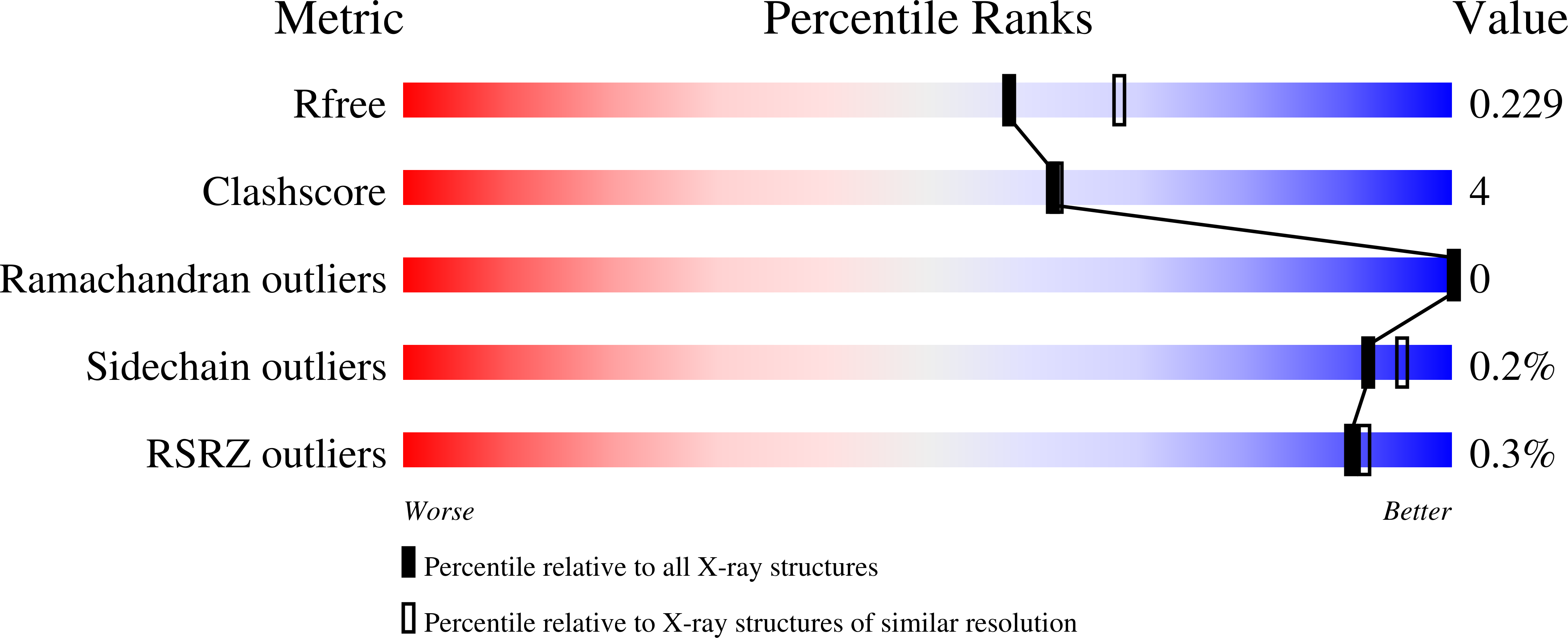
Resolution:
2.11 Å
R-Value Free:
0.22
R-Value Work:
0.17
R-Value Observed:
0.17
Space Group:
P 1 21 1
Macromolecular Entities
Structures with similar UniProt ID
Protein Blast
Polymer Type:polypeptide(L)
Molecule:WD repeat-containing protein
Gene (Uniprot):WDR5
Chain IDs:A, B
Chain Length:424
Number of Molecules:2
Biological Source:Homo sapiens
Ligand Molecules
Primary Citation
Development and characterization of triazole-based WDR5 inhibitors for the treatment of glioblastoma.
JCI Insight ? ? ? (2026)
PMID: 42084925 DOI: 10.1172/jci.insight.198298

Abstact

Glioblastoma (GBM) cancer stem cells (CSCs) contribute to tumor recurrence, treatment resistance, and dismal clinical outcomes. Genetic and pharmacological evidence suggests that the nuclear scaffolding protein WD-repeat containing protein 5 (WDR5) is a therapeutic vulnerability of the CSC population. However, previously reported WDR5 inhibitors display low permeability and are unable to penetrate the blood-brain barrier (BBB), limiting their utility in GBM. Herein, we report the structure-guided development of a novel series of triazole-based WDR5 WIN-site inhibitors designed to increase passive brain penetration. We identified triazole-based WDR5 inhibitors that are potent, passively permeable, and in some cases more brain penetrant than other scaffolds. We phenotypically assessed our novel WDR5 inhibitors in a panel of patient-derived CSC models and uncovered unique WDR5-regulated metabolic genes in GBM. We also evaluated their antiproliferative activity against CSCs both in vitro and in vivo. Finally, to identify novel combination opportunities, we screened a 2,100-compound chemical probe library and identified that the ATAD2 inhibitor BAY-850 synergizes with WDR5 inhibitors to enhance CSC killing. Our work diversifies the chemical matter targeting WDR5, clarifies the in vitro consequences of WIN-site inhibition in CSCs, and encourages the future development of next-generation WDR5 inhibitors with the potential to achieve in vivo efficacy in the brain.

Legend

Protein

Chemical

Disease

Primary Citation of related structures
Feedback Form
Name
Email
Institute
Feedback