

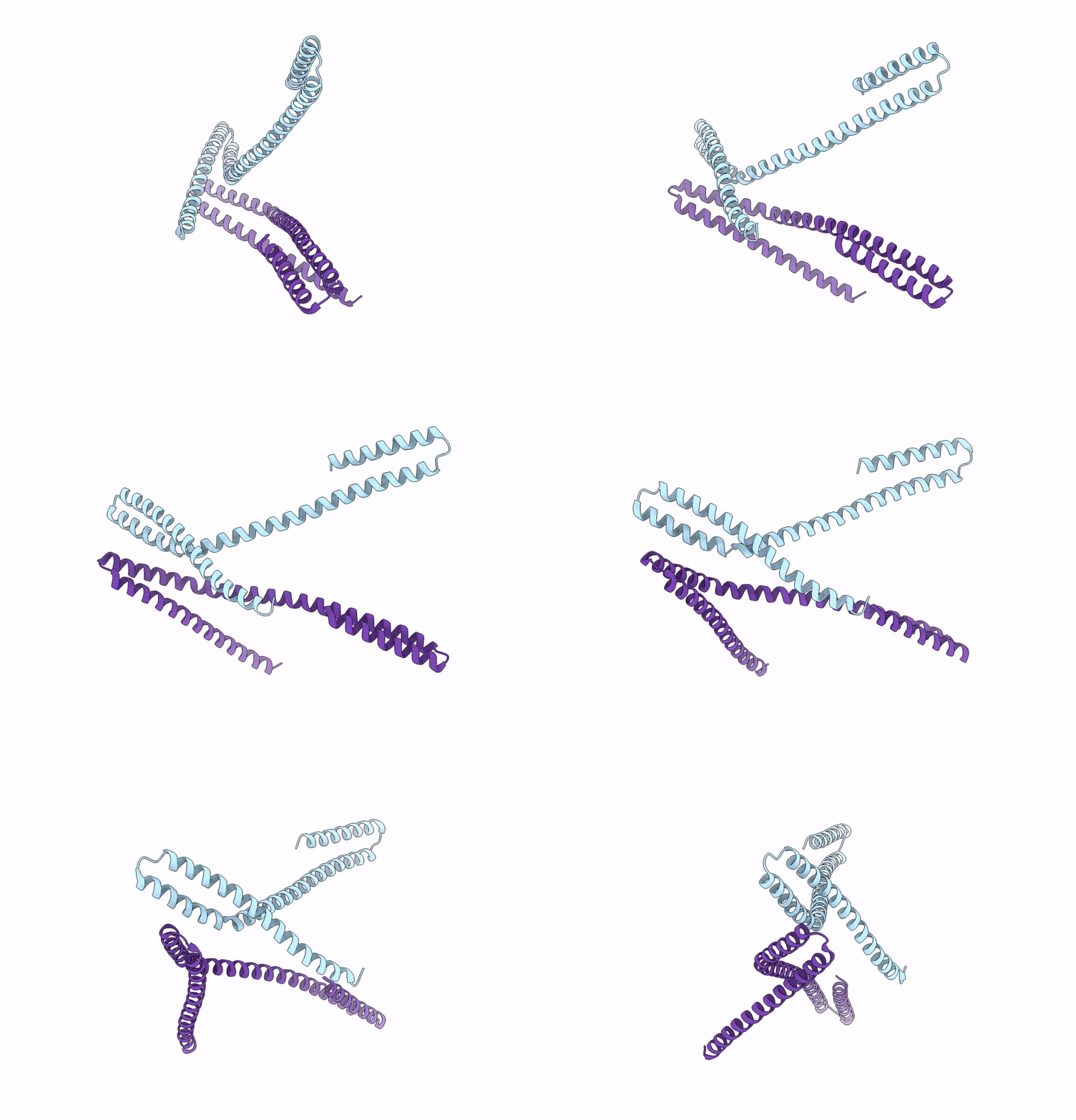
9MN2 image
Deposition Date 2024-12-20
Release Date 2025-08-27
Last Version Date 2026-08-19
Entry Detail
PDB ID:
9MN2
Keywords:
Title:
Crystal Structure of the B6C Region of the Group B Streptococcus Beta Antigen C Protein
Biological Source:
Source Organism(s):
Expression System(s):
Method Details:
Experimental Method:
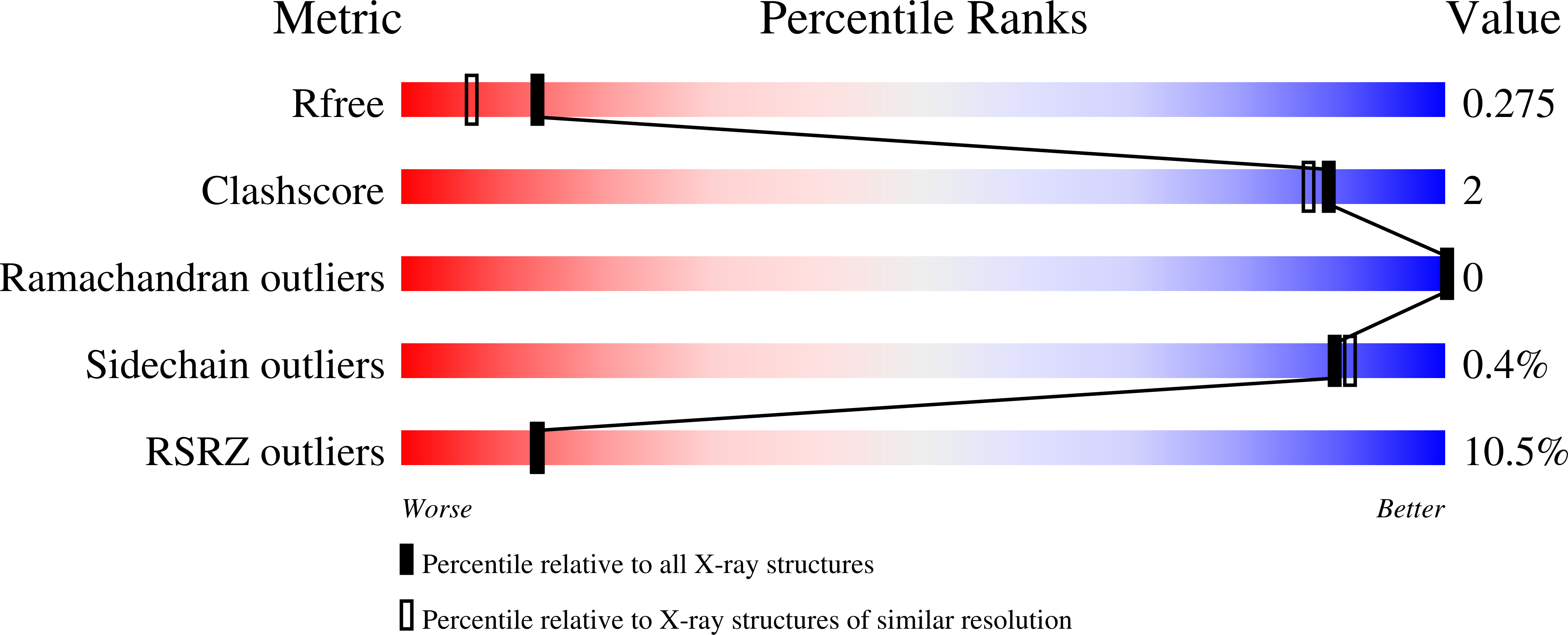
Resolution:
2.05 Å
R-Value Free:
0.27
R-Value Work:
0.24
R-Value Observed:
0.24
Space Group:
P 21 21 2
Macromolecular Entities
Polymer Type:polypeptide(L)
Molecule:IgA FC receptor
Gene (Uniprot):bag
Chain IDs:A, B
Chain Length:172
Number of Molecules:2
Biological Source:Streptococcus agalactiae
Modified Residue
Compound ID Chain ID Parent Comp ID Details 2D Image
MSE A, B MET modified residue
Primary Citation
Bacterial targeting of the neutrophil inhibitory receptor LILRB3 to evade antibody immunity.
Nat Commun 17 ? ? (2026)
PMID: 42277001 DOI: 10.1038/s41467-026-74098-6

Abstact

Antibody-mediated responses are critical for antibacterial immunity, driving Fc receptor-mediated phagocytosis, respiratory burst, and bacterial killing. Inhibitory immune receptors regulate cellular activation and immune homoeostasis, but whether they are targeted to evade antibody-mediated responses is unclear. Here, we show that the highly expressed inhibitory LILRB3 receptor on neutrophils is targeted by Streptococcus agalactiae to suppress antibody-driven defence. We show that the surface-localised beta protein of S. agalactiae bound to LILRB3 and induced its cross-linking. beta and LILRB3 interactions suppressed Fc receptor-mediated antibacterial responses such as respiratory burst and bacterial killing, inhibiting antibody-dependent bacterial killing by neutrophils. Moreover, beta expression and LILRB3 targeting are associated with S. agalactiae lineages that cause invasive diseases in older adults, indicating that targeting inhibitory receptors most likely provides an immune evasion mechanism when antibody responses are waning, such as in immunocompromised or elderly individuals. Altogether, these results highlight a simple and important mechanism that bacterial pathogens utilise to overcome effective antibody-driven phagocyte responses.

Legend

Protein

Chemical

Disease

Primary Citation of related structures
Feedback Form
Name
Email
Institute
Feedback