

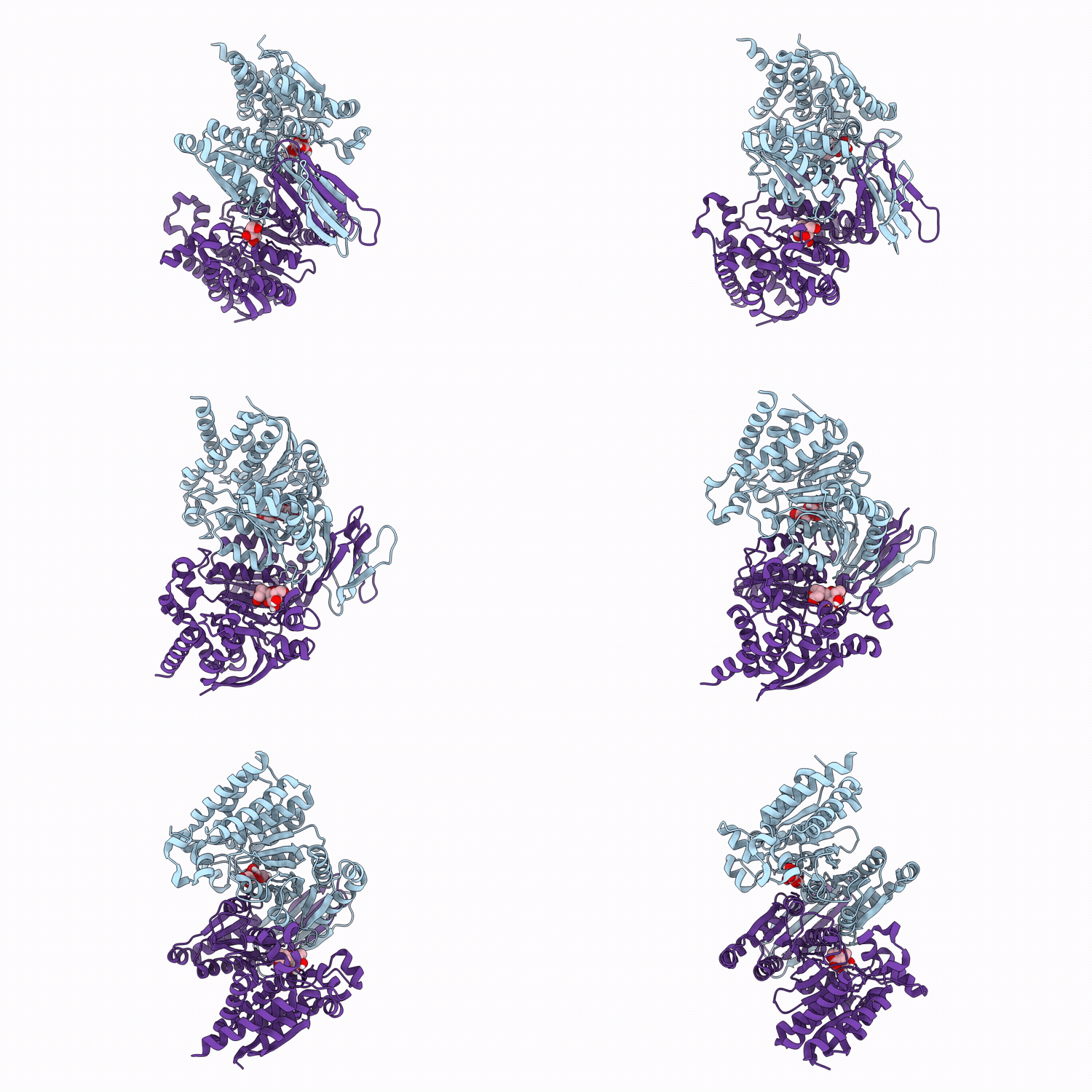
9M82 image
Deposition Date 2025-03-11
Release Date 2026-03-18
Last Version Date 2026-09-30
Entry Detail
PDB ID:
9M82
Keywords:
Title:
Crystal Structure of Human IDH1 in Complex with Kinsenoside
Biological Source:
Source Organism(s):
Homo sapiens (Taxon ID: 9606)
Expression System(s):
Method Details:
Experimental Method:
Resolution:
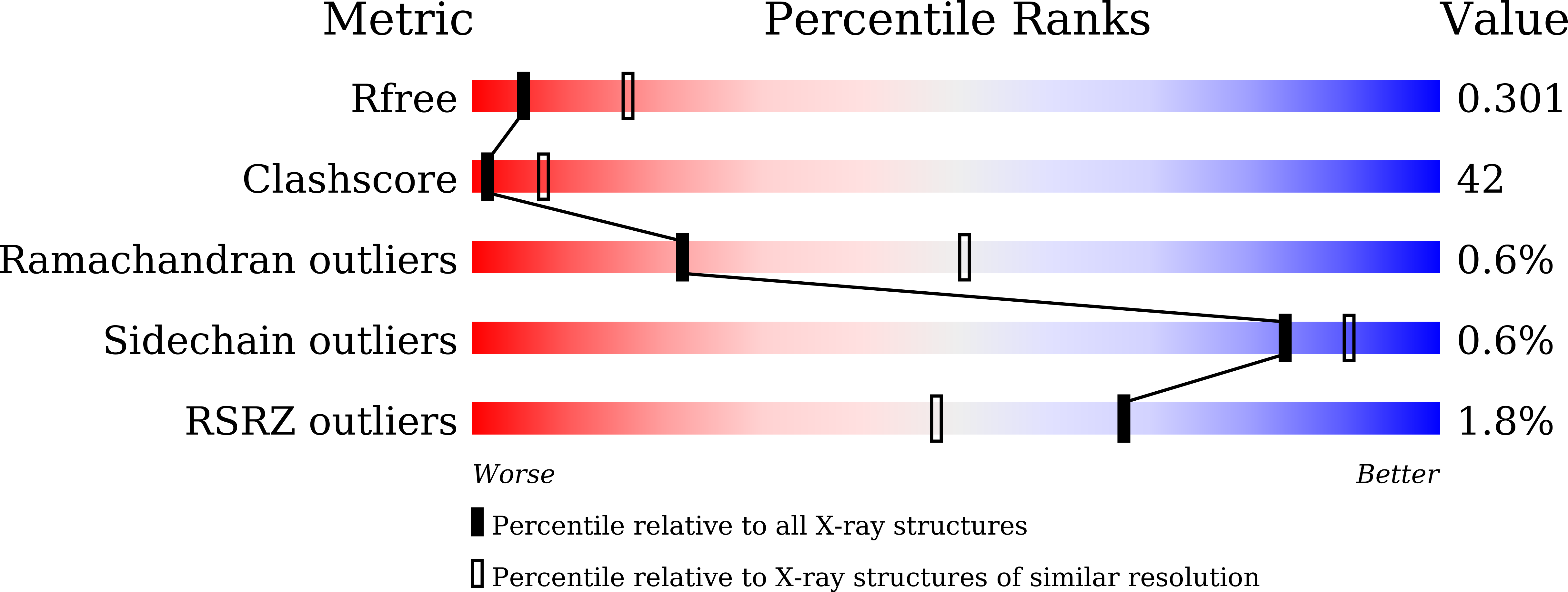
3.08 Å
R-Value Free:
0.30
R-Value Work:
0.25
R-Value Observed:
0.25
Space Group:
C 1 2 1
Macromolecular Entities
Polymer Type:polypeptide(L)
Molecule:Isocitrate dehydrogenase [NAD
Gene (Uniprot):IDH1
Chain IDs:A, B
Chain Length:443
Number of Molecules:2
Biological Source:Homo sapiens
Ligand Molecules
Primary Citation
Kinsenoside Targets IDH1 to Restore Microglial Immune-Metabolic Homeostasis for Alzheimer's Disease Therapy.
Adv Sci 13 e75125 e75125 (2026)
PMID: 41980178 DOI: 10.1002/advs.75125

Abstact

Dysregulated tricarboxylic acid (TCA) cycle activity is increasingly recognized as a contributor to Alzheimer's disease (AD) pathogenesis, yet the mechanistic underpinnings of the relationship remain unclear. Here, we identify isocitrate dehydrogenase 1 (IDH1), a key enzyme in the TCA cycle, as a critical pathogenic driver of AD in microglia. IDH1 expression was markedly upregulated in microglia from both AD patients and 5xFAD mice. Elevated IDH1 promoted excessive cytosolic citrate consumption, which restricted citrate shuttling into mitochondria and impaired mitochondrial TCA cycle function. This citrate metabolic imbalance further disrupted epigenetic regulation, thereby exacerbating AD-related pathological processes. Using structure-based screening and co-crystallization analysis, we identified Kinsenoside (KIN), a natural small molecule, as a selective competitive inhibitor of IDH1 that binds to its isocitrate-binding pocket. Targeting IDH1 with KIN inhibited its activity, which restored intracellular citrate distribution, reactivated mitochondrial TCA cycle flux, and reestablished metabolic homeostasis. Notably, this intervention not only attenuated neuroinflammation but also reduced beta-amyloid (Abeta) deposition and significantly improved cognitive performance in 5xFAD mice. Collectively, our findings establish IDH1-mediated metabolic dysregulation as a pivotal pathogenic mechanism in AD and highlight KIN as a promising therapeutic candidate by targeting microglial IDH1 to restore metabolic and functional homeostasis.

Legend

Protein

Chemical

Disease

Primary Citation of related structures
Feedback Form
Name
Email
Institute
Feedback