

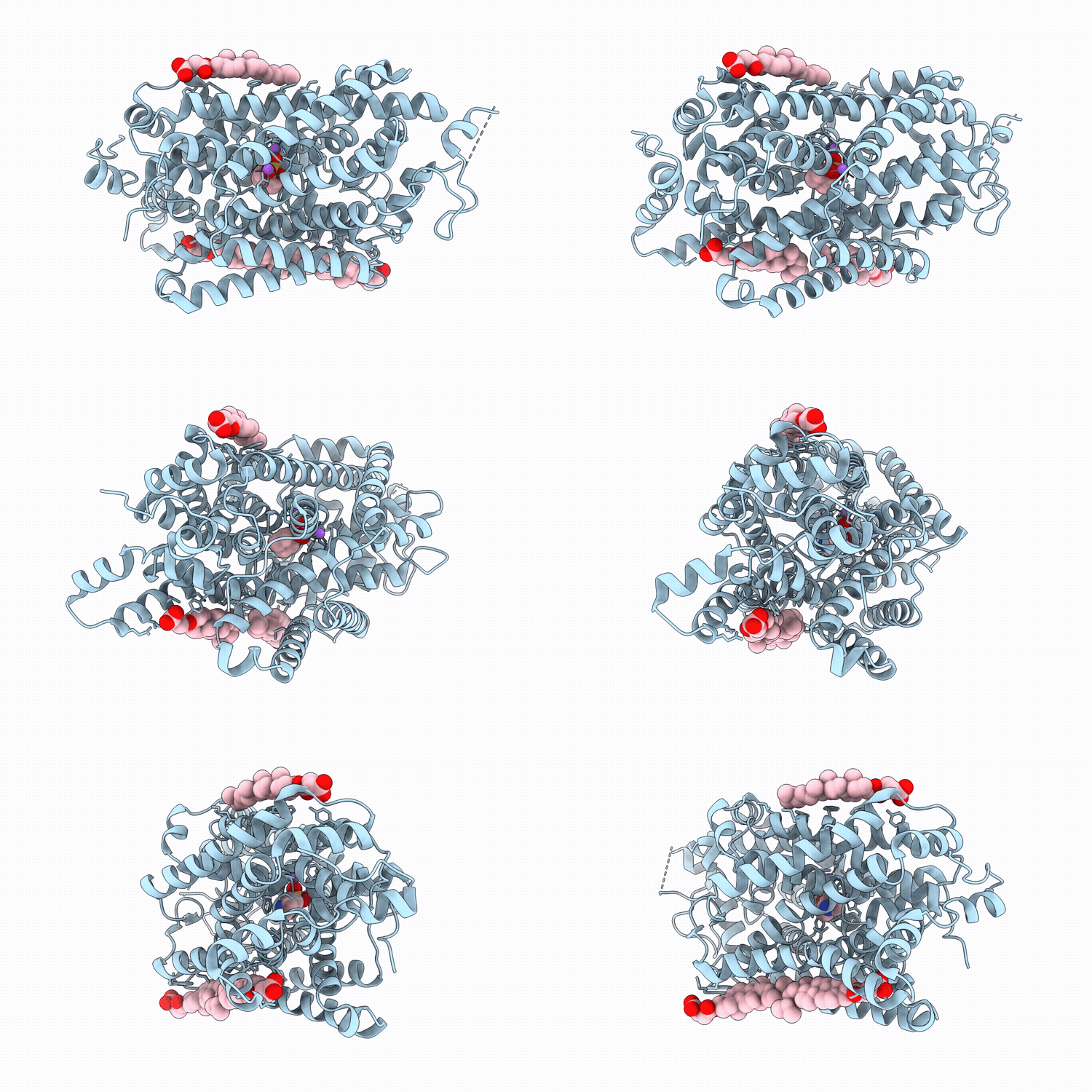
9L1E image
Deposition Date 2024-12-14
Release Date 2026-04-15
Last Version Date 2026-05-27
Entry Detail
PDB ID:
9L1E
Title:
Structure of piperidine-4-sulfonic acid-bound human Taurine Transporter in the inward-occluded conformation
Biological Source:
Source Organism(s):
Homo sapiens (Taxon ID: 9606)
Expression System(s):
Method Details:
Experimental Method:
Resolution:
2.82 Å
Aggregation State:
PARTICLE
Reconstruction Method:
SINGLE PARTICLE
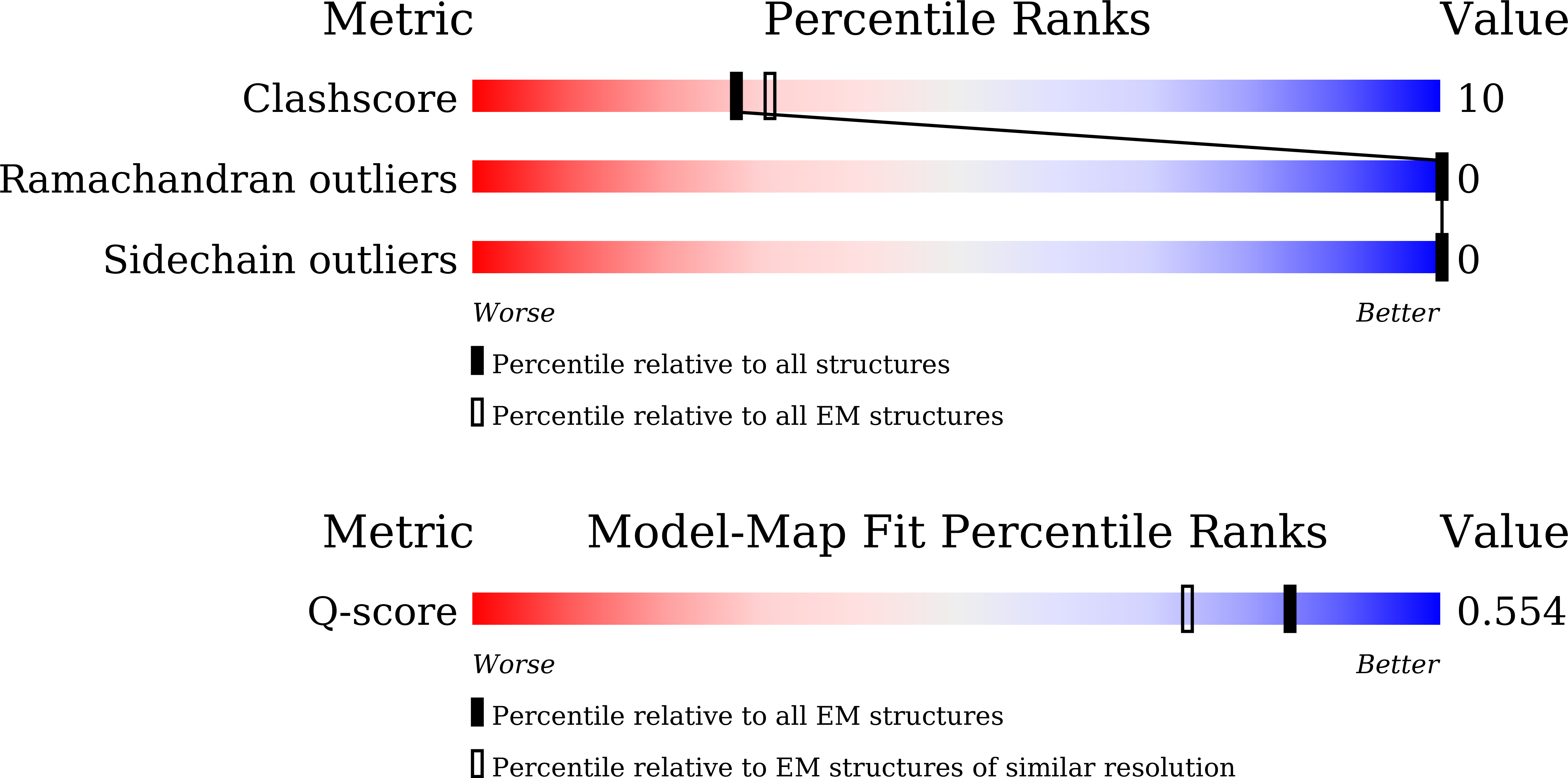
Macromolecular Entities
Structures with similar UniProt ID
Protein Blast
Polymer Type:polypeptide(L)
Molecule:Sodium- and chloride-dependen
Gene (Uniprot):SLC6A6
Chain IDs:A
Chain Length:620
Number of Molecules:1
Biological Source:Homo sapiens
Primary Citation
Structural mechanism of substrate binding and inhibition of human taurine transporter.
Nat Commun 17 ? ? (2026)
PMID: 41857056 DOI: 10.1038/s41467-026-70772-x

Abstact

Taurine is a sulfur-containing amino acid that plays several crucial roles in the body. Its uptake is mediated by the taurine transporter (TauT). Genetic mutations and dysregulation of TauT have been linked to various neurological disorders, cardiomyopathy, childhood progressive retinal degeneration, and cancer, making TauT a promising target for therapeutic intervention in these diseases. However, the structure and mechanism of TauT remain poorly understood. In this study, we present the structures of the human taurine transporter (hTauT) under four conditions: the substrate-free state, the taurine-bound state, the beta-alanine-bound state, and the cyclic inhibitor piperidine-4-sulfonate (P4S)-bound state. These structures reveal that taurine binds at the central substrate-binding site of hTauT. Notably, beta-alanine and the cyclic P4S inhibitors also mimic taurine, occupying the same substrate-binding site. In the substrate-free and P4S-bound forms, hTauT also adopt an inward-open conformation, where transmembrane helix TM1a bends toward the membrane, facilitating the opening of the intracellular gate for ion and substrate release. These structural insights enhance our understanding of the mechanisms underlying substrate and ion recognition and transport in hTauT, paving the way for the future development of taurine transporter substrate analogues or selective inhibitors.

Legend

Protein

Chemical

Disease

Primary Citation of related structures
Feedback Form
Name
Email
Institute
Feedback