

9JFM image
Deposition Date 2024-09-04
Release Date 2025-09-10
Last Version Date 2026-04-01
Entry Detail
PDB ID:
9JFM
Keywords:
Title:
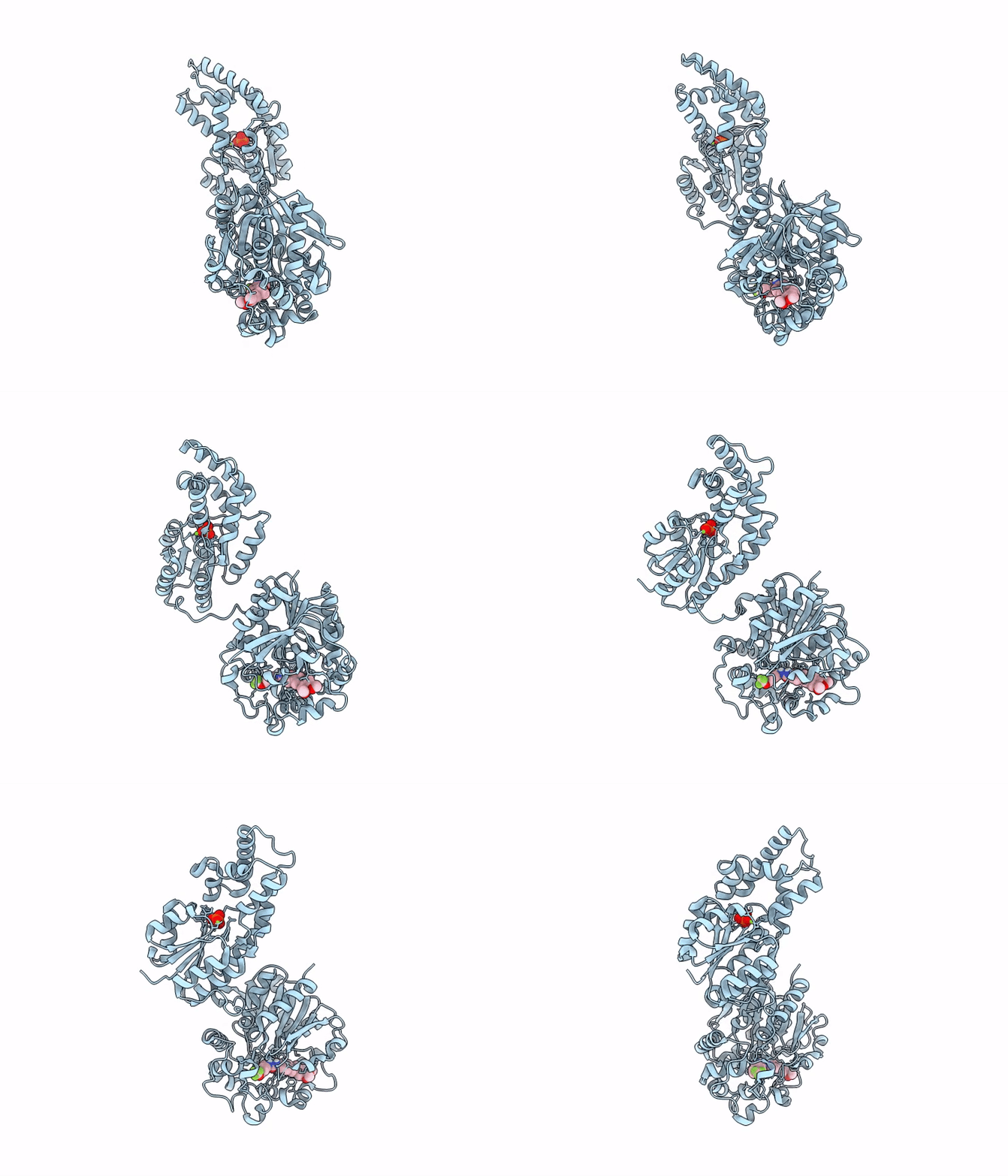
Co-crystal Structure of sEH with tetrahydroberberine derivative
Biological Source:
Source Organism(s):
Homo sapiens (Taxon ID: 9606)
Expression System(s):
Method Details:
Experimental Method:
Resolution:
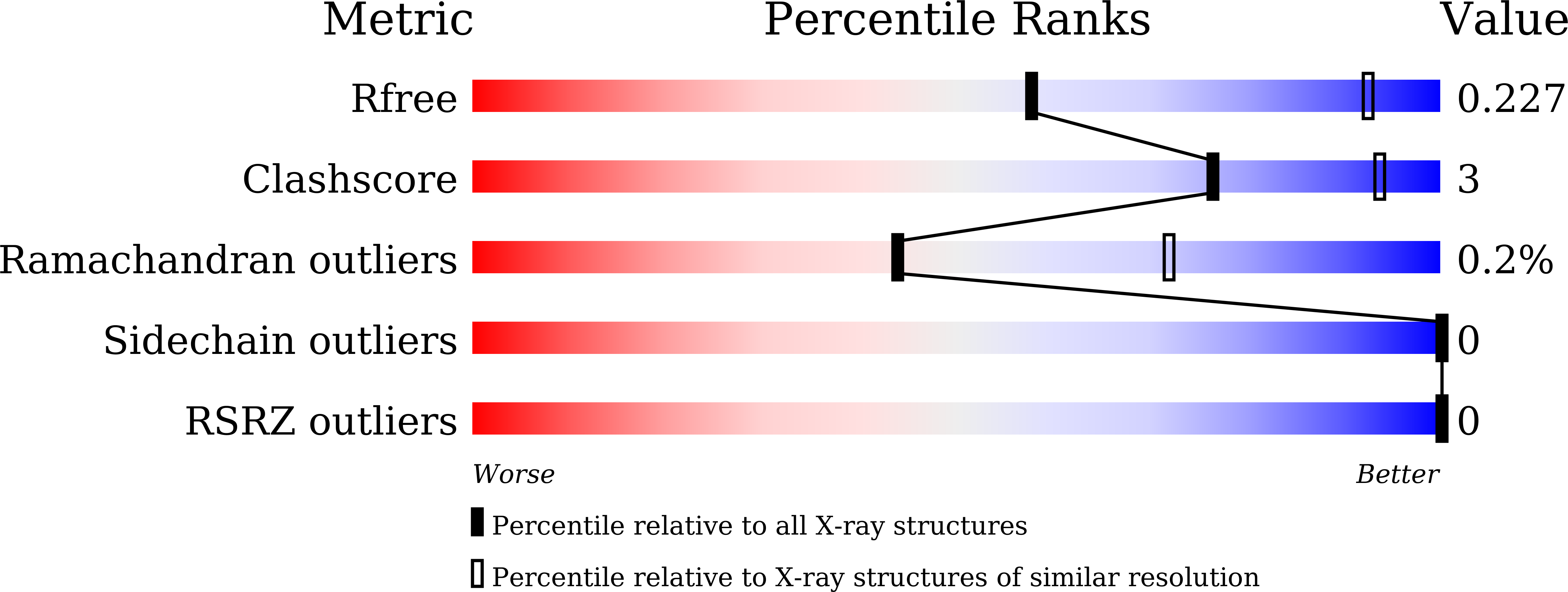
3.13 Å
R-Value Free:
0.22
R-Value Work:
0.19
R-Value Observed:
0.19
Space Group:
P 65 2 2
Macromolecular Entities
Structures with similar UniProt ID
Protein Blast
Polymer Type:polypeptide(L)
Molecule:Bifunctional epoxide hydrolas
Gene (Uniprot):EPHX2
Chain IDs:A
Chain Length:555
Number of Molecules:1
Biological Source:Homo sapiens
Primary Citation
Redesigning Berberines and Sanguinarines to Target Soluble Epoxide Hydrolase for Enhanced Anti-Inflammatory Efficacy.
J. Med. Chem. 67 22168 22190 (2024)
PMID: 39658523 DOI: 10.1021/acs.jmedchem.4c02202

Abstact

Amino-berberine has remained underexplored due to limited biological evaluation and total synthesis approaches. In inflammation therapy, soluble Epoxide Hydrolase (sEH) is a promising target, yet natural scaffolds remain underutilized. Our study advances the field by redesigning natural compounds horizontal line berberine and sanguinarine horizontal line with strategic urea modifications and hydrogenated frameworks, creating novel sEH inhibitors with enhanced in vivo efficacy. Through total synthesis and structure-activity relationship studies of amino-berberine derivatives, chiral tetrahydroberberine (R)-14i (coded LXZ-42) emerged as the most potent lead, with an IC(50) value of 1.20 nM. (R)-14i showed reduced CYP enzyme impact, potent therapeutic effects on acute pancreatitis, no acute in vivo toxicity, and superior pharmacokinetic properties, with an oral bioavailability of 89.3%. Structural insights from crystallography of (R)-14i bound to sEH revealed key interactions: three with the tetrahydroberberine framework and three hydrogen bonds with the urea group, highlighting (R)-14i as a novel lead for sEH-targeted therapies in inflammation.

Legend

Protein

Chemical

Disease

Primary Citation of related structures
Feedback Form
Name
Email
Institute
Feedback