

9IGO image
Deposition Date 2025-02-19
Release Date 2026-02-25
Last Version Date 2026-04-08
Entry Detail
PDB ID:
9IGO
Keywords:
Title:
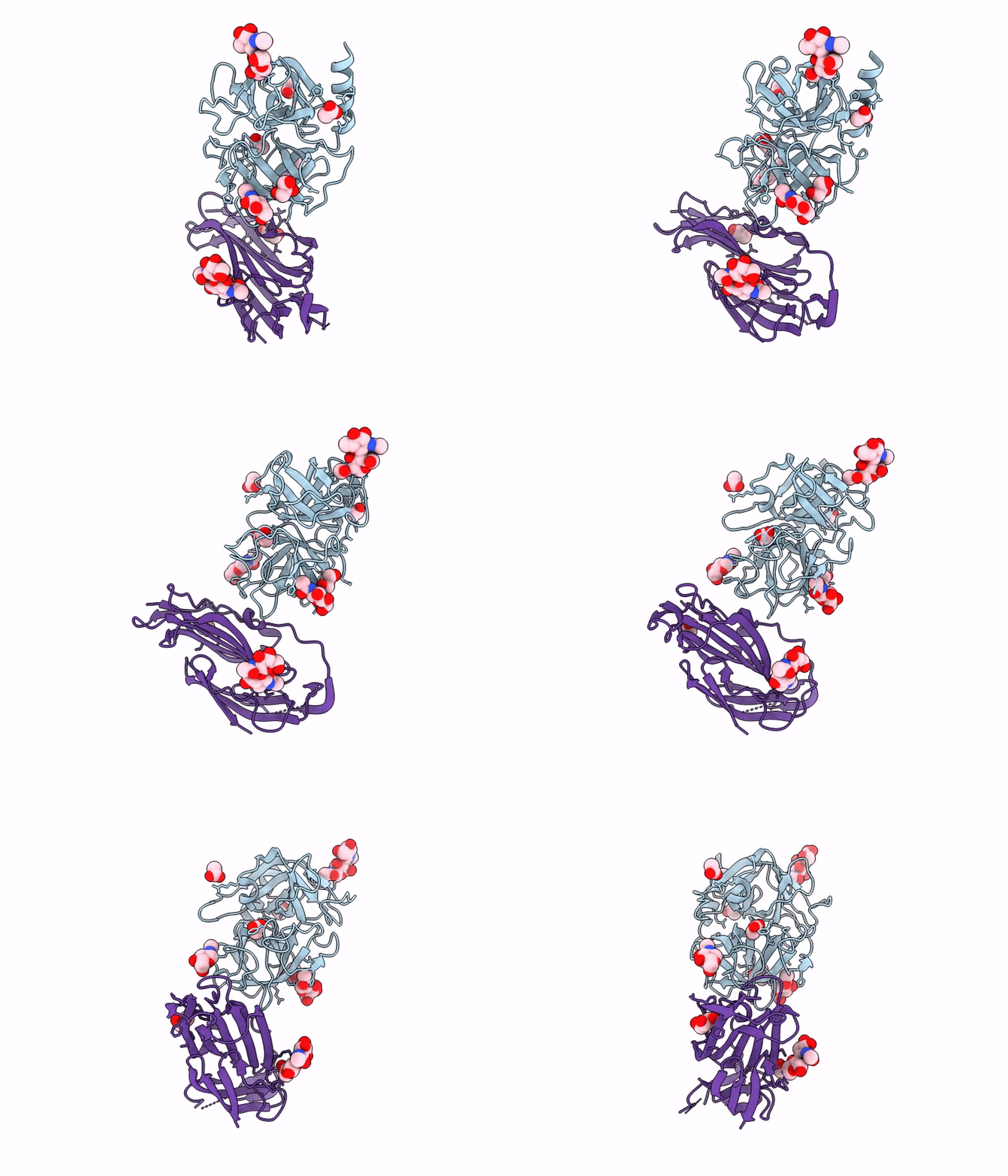
PR3 S203A I221N W222N G223T mutant in complex with the extracellular domain of CD177
Biological Source:
Source Organism(s):
Homo sapiens (Taxon ID: 9606)
Expression System(s):
Method Details:
Experimental Method:
Resolution:
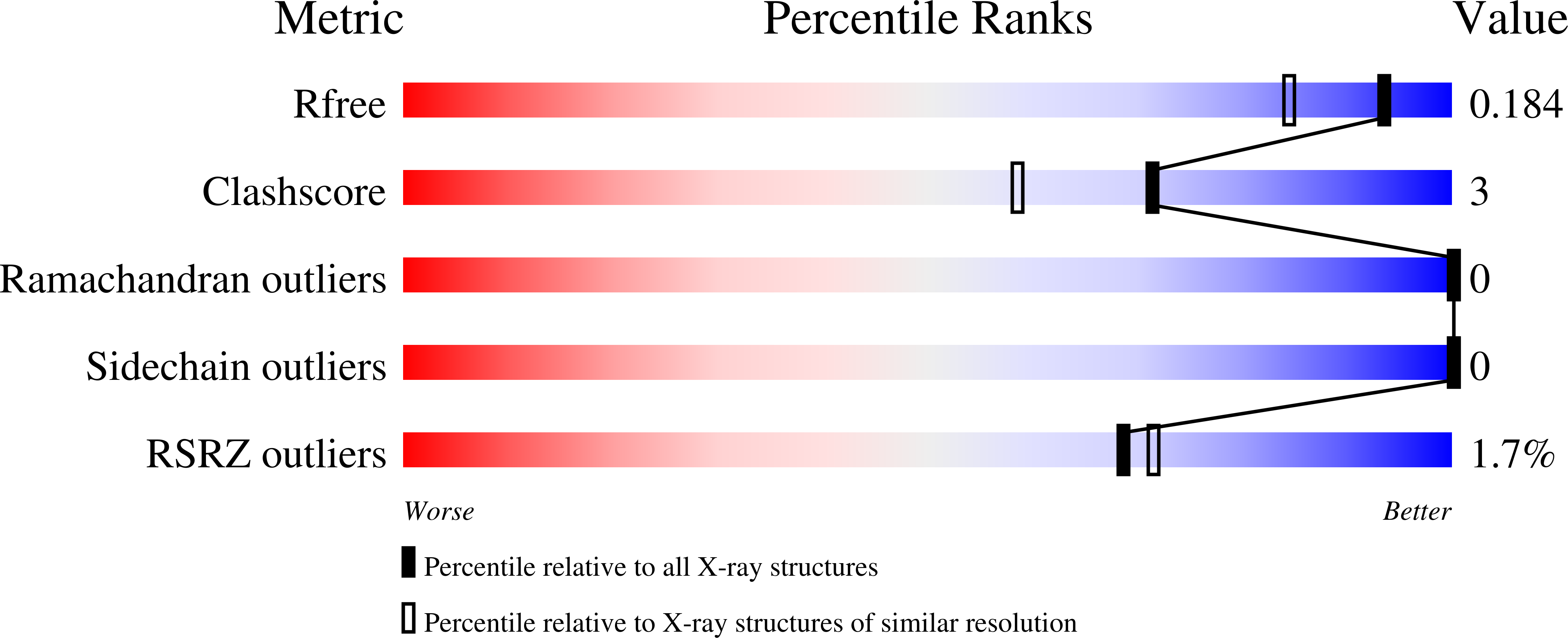
1.50 Å
R-Value Free:
0.18
R-Value Work:
0.14
R-Value Observed:
0.14
Space Group:
P 1 21 1
Macromolecular Entities
Structures with similar UniProt ID
Protein Blast
Polymer Type:polypeptide(L)
Molecule:Myeloblastin
Gene (Uniprot):PRTN3
Mutagens:S203A, I221N, W222G, G223T
Chain IDs:A
Chain Length:238
Number of Molecules:1
Biological Source:Homo sapiens
Structures with similar UniProt ID
Protein Blast
Polymer Type:polypeptide(L)
Molecule:CD177 antigen
Gene (Uniprot):CD177
Chain IDs:B
Chain Length:194
Number of Molecules:1
Biological Source:Homo sapiens
Primary Citation
Structures of proteinase 3 and the CD177 receptor complex reveal a major autoantibody epitope.
EMBO Rep. 27 1580 1606 (2026)
PMID: 41703070 DOI: 10.1038/s44319-026-00716-5

Abstact

Granulomatosis with polyangiitis is a life-threatening systemic vasculitis, characterised by anti-neutrophil cytoplasmic autoantibodies (ANCA) most commonly against proteinase 3 (PR3), a protease expressed intracellularly and on the surface of neutrophils. Most cell surface PR3 is bound to the receptor CD177; however, the molecular mechanism of the interactions is not well understood. Here, we present crystal structures of CD177 in complex with PR3 and unliganded CD177. We describe a mainly hydrophobic binding interface between PR3 and CD177, involving the first two Ly6/uPAR (LU) domains of CD177. These form a globular structure which is connected to downstream domains via a flexible linker. Using a panel of PR3-ANCA-positive patient samples, we show that a significant proportion of ANCAs target the CD177-binding site of PR3 in these samples. Structure-guided mutation of the CD177-binding site on PR3 is effective in reducing PR3-ANCA binding. The results demonstrate that the CD177-binding surface of PR3 harbours a major PR3-ANCA epitope, and that the extent of binding to this surface varies between different patients.

Legend

Protein

Chemical

Disease

Primary Citation of related structures
Feedback Form
Name
Email
Institute
Feedback