

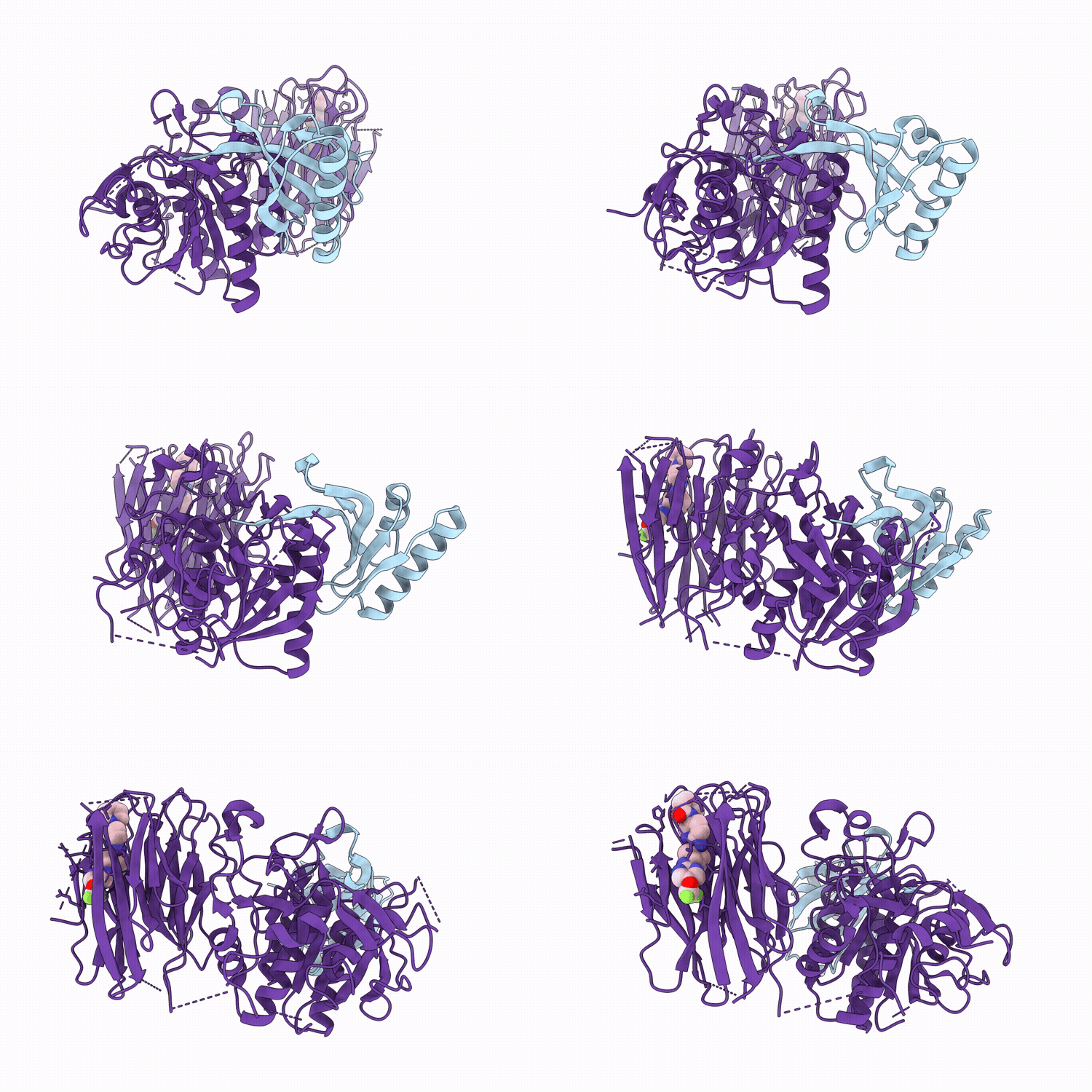
9HZ3 image
Deposition Date 2025-01-13
Release Date 2026-05-27
Last Version Date 2026-05-27
Entry Detail
PDB ID:
9HZ3
Keywords:
Title:
PCSK9 AZD0780 complex
Biological Source:
Source Organism(s):
Homo sapiens (Taxon ID: 9606)
Expression System(s):
Method Details:
Experimental Method:
Resolution:
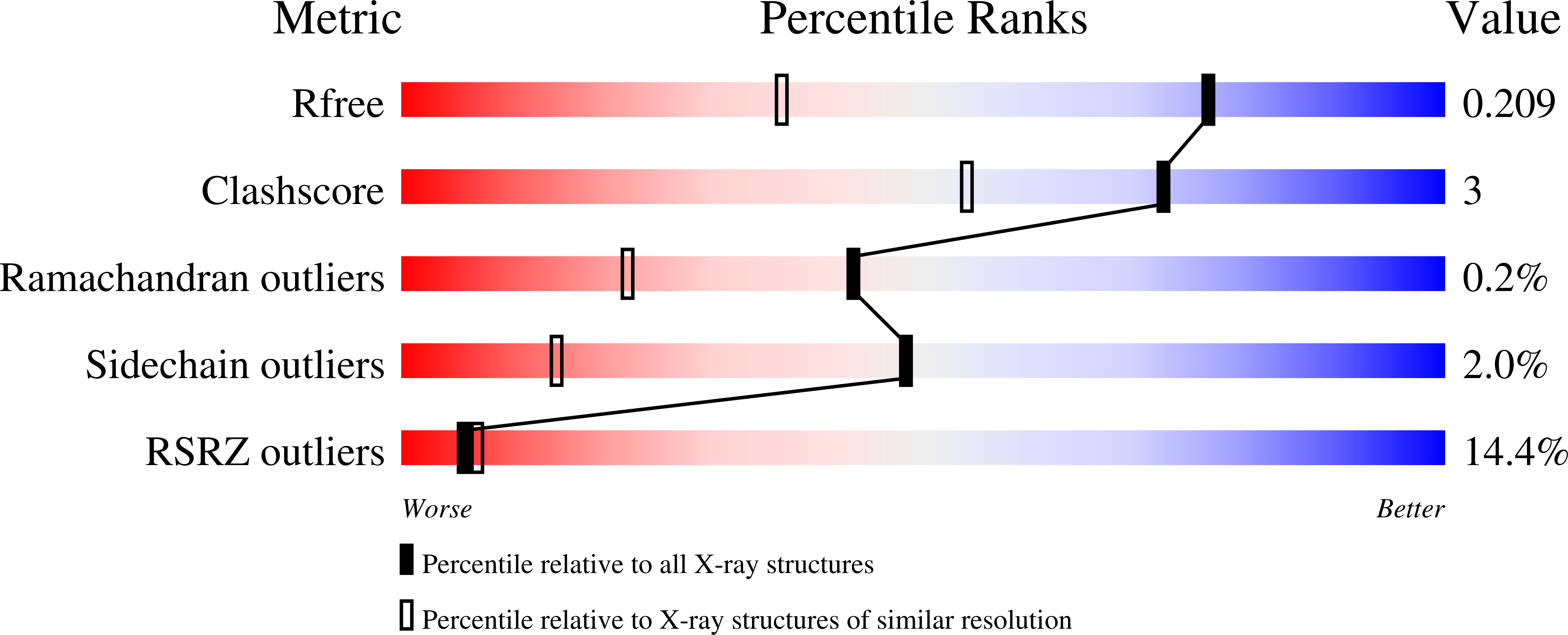
1.43 Å
R-Value Free:
0.21
R-Value Work:
0.19
R-Value Observed:
0.19
Space Group:
P 21 21 21
Macromolecular Entities
Structures with similar UniProt ID
Protein Blast
Polymer Type:polypeptide(L)
Molecule:Proprotein convertase subtili
Gene (Uniprot):PCSK9
Chain IDs:A
Chain Length:152
Number of Molecules:1
Biological Source:Homo sapiens
Structures with similar UniProt ID
Protein Blast
Polymer Type:polypeptide(L)
Molecule:Proprotein convertase subtili
Gene (Uniprot):PCSK9
Chain IDs:B
Chain Length:553
Number of Molecules:1
Biological Source:Homo sapiens
Ligand Molecules
Primary Citation
Laroprovstat, the First Oral Small-Molecule PCSK9 Inhibitor for the Treatment of Hypercholesterolemia: Results From a Randomized, Single-Blind, Placebo-Controlled Phase 1 Trial in Treatment-Naive Patients.
Circulation ? ? ? (2026)
PMID: 42137960 DOI: 10.1161/CIRCULATIONAHA.125.075973

Abstact

BACKGROUND: Inhibition of proprotein convertase subtilisin/kexin type 9 (PCSK9) is an effective therapy for reducing low-density lipoprotein (LDL) cholesterol (LDL-C) in adults with hyperlipidemia, including heterozygous familial hypercholesterolemia, thereby lowering cardiovascular risk. Current PCSK9 inhibitors are injectable therapies; no oral small-molecule PCSK9 inhibitor has yet been approved. METHODS: Laroprovstat (AZD0780) is a novel small-molecule identified through structure-based design that binds to the PCSK9 C-terminal domain. The effects of laroprovstat on LDL receptor expression and LDL-C levels were assessed in vitro and in mice expressing human PCSK9. Safety, tolerability, and pharmacokinetic and pharmacodynamic properties of laroprovstat were assessed in healthy participants with LDL-C >/=70 and </=190 mg/dL after single ascending doses. Laroprovstat was also assessed in participants with LDL-C >/=100 and </=190 mg/dL at doses of 1 mg or 30 mg versus placebo administered once daily for 28 days after a rosuvastatin 20 mg run-in treatment period. RESULTS: Laroprovstat does not inhibit the PCSK9-LDL receptor interaction but stabilizes the PCSK9 C-terminal domain, preventing lysosomal trafficking and degradation of LDL receptor. Laroprovstat increased LDL receptor expression and reduced LDL-C levels in mice expressing human PCSK9. Laroprovstat displayed dose-proportional pharmacokinetics and a half-life suitable for once-daily dosing ( approximately 40 hours). There was no clinically meaningful change in exposure when dosed with a high-fat meal compared with the fasted state (AUC(inf) and C(max) geometric mean reduction of 1.15 [90% CI, 1.11-1.19] and 1.06 [90% CI, 1.00-1.13], respectively). After a rosuvastatin 20 mg 3-week run-in treatment period, laroprovstat 1 and 30 mg reduced LDL-C by 29% (95% CI, 38%-18%) and 51% (95% CI, 58%-44%) compared with baseline. Combined rosuvastatin and laroprovstat treatment resulted in a total approximate reduction in LDL-C of 70% and 80% for laroprovstat 1 and 30 mg, respectively. CONCLUSIONS: Laroprovstat was well tolerated with no safety findings of concern and may be dosed with or without food. In treatment-naive participants with hypercholesterolemia, combined rosuvastatin 20 mg and laroprovstat 30 mg treatment led to an 80% LDL-C reduction, supporting further development of laroprovstat as the first oral small-molecule PCSK9 inhibitor in patients with hypercholesterolemia. REGISTRATION: URL: https://www.clinicaltrials.gov; Unique identifier: NCT05384262.

Legend

Protein

Chemical

Disease

Primary Citation of related structures
Feedback Form
Name
Email
Institute
Feedback