

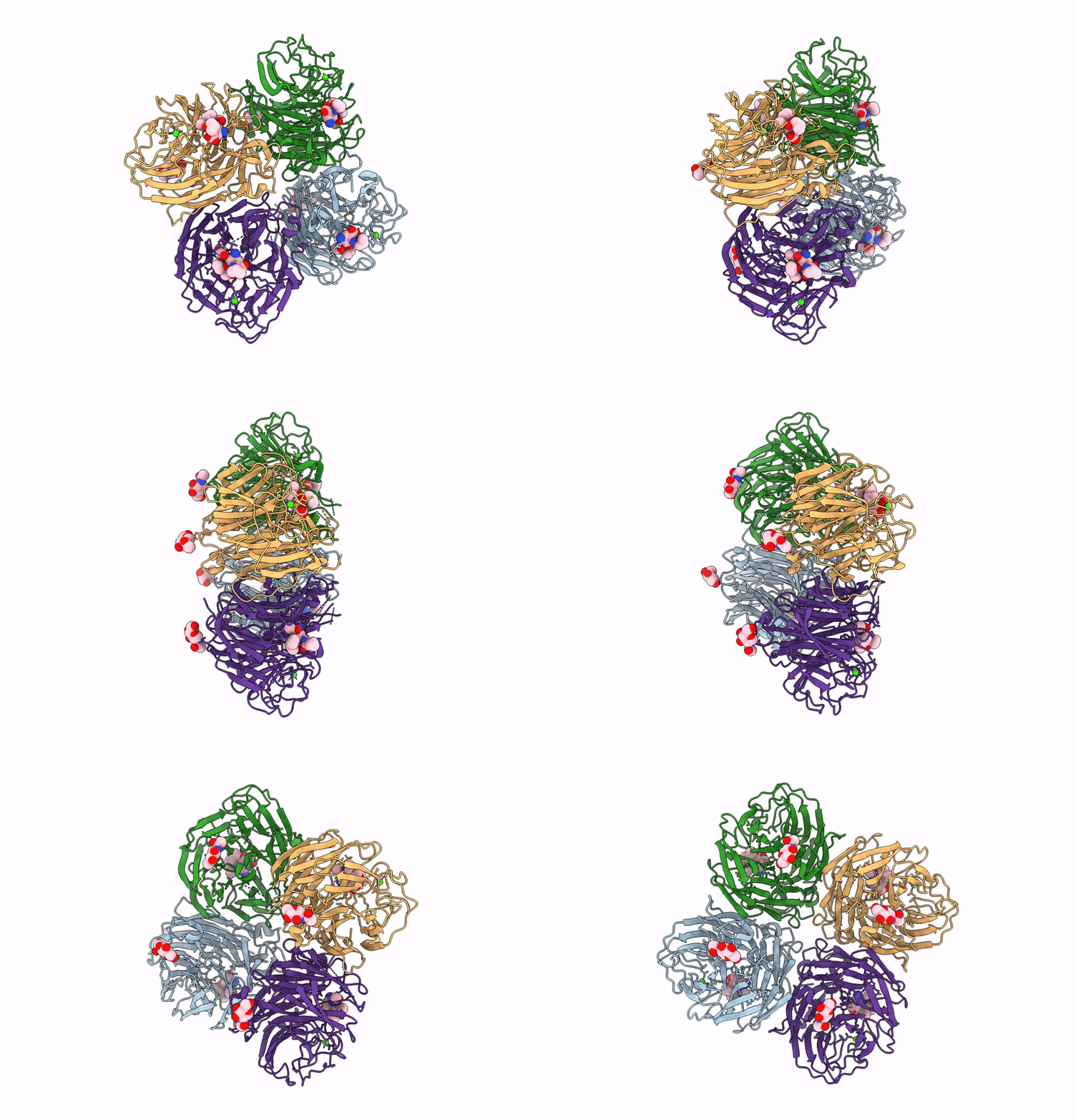
9HLI image
Deposition Date 2024-12-04
Release Date 2025-12-17
Last Version Date 2026-04-01
Entry Detail
PDB ID:
9HLI
Keywords:
Title:
Influenza Neuraminidase in complex with N-Acyl Oseltamivir inhibitor
Biological Source:
Source Organism(s):
Expression System(s):
Method Details:
Experimental Method:
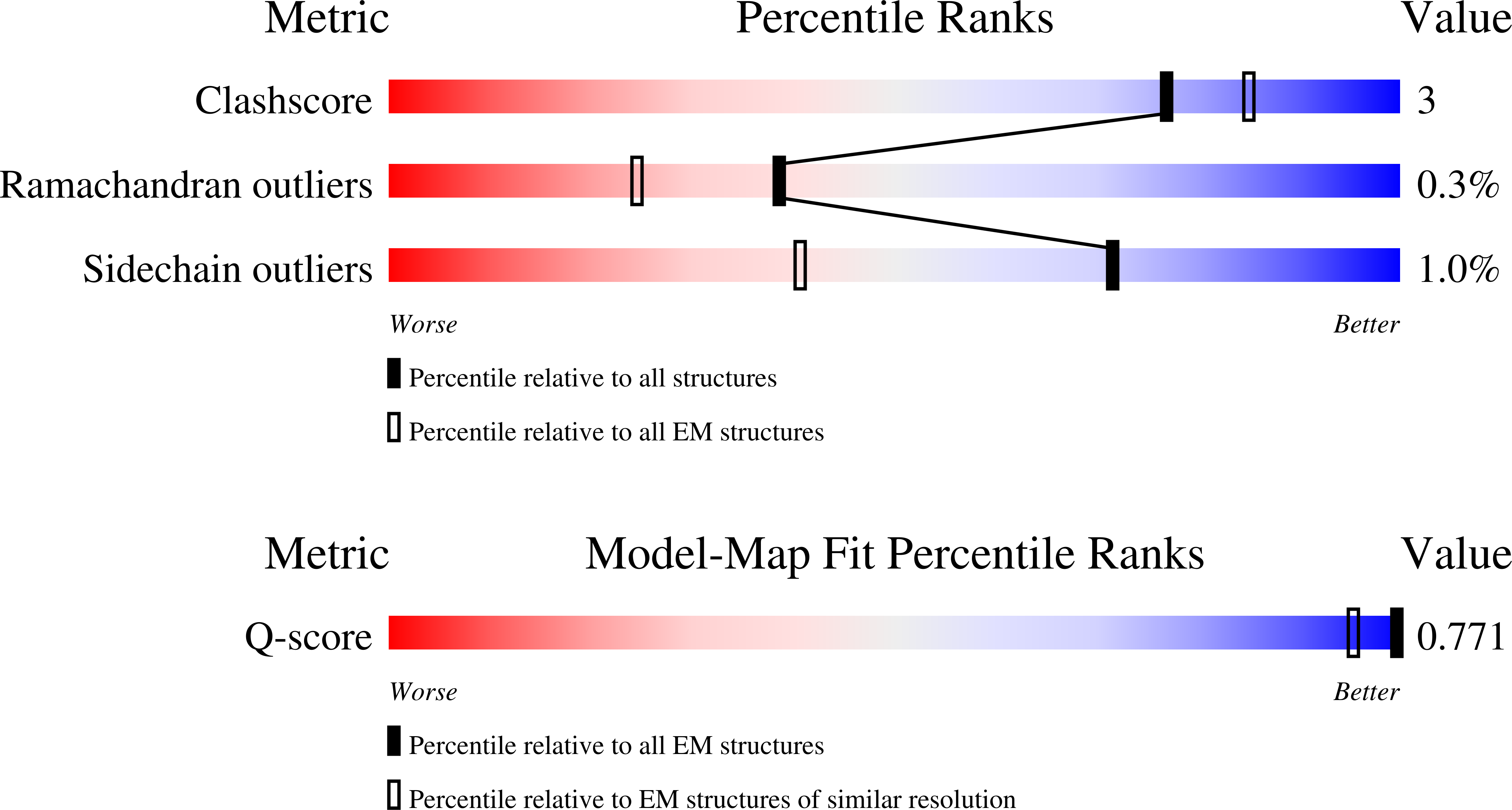
Resolution:
2.00 Å
Aggregation State:
PARTICLE
Reconstruction Method:
SINGLE PARTICLE
Macromolecular Entities
Structures with similar UniProt ID
Protein Blast
Polymer Type:polypeptide(L)
Molecule:Neuraminidase
Gene (Uniprot):NA
Chain IDs:A, B, C, D
Chain Length:387
Number of Molecules:4
Biological Source:Influenza A virus
Primary Citation
Oseltamivir aziridines are potent influenza neuraminidase inhibitors and imaging agents.
Proc. Natl. Acad. Sci. U.S.A. 123 e2504045123 e2504045123 (2026)
PMID: 41871250 DOI: 10.1073/pnas.2504045123

Abstact

Influenza neuraminidase (NA) is a critical target for seasonal and pandemic antivirals, including the strains of current concern. Current treatments, such as Zanamivir and Oseltamivir, are limited by noncovalent binding and emerging resistance. We hypothesized that Oseltamivir aziridines would unite transition-state mimicry for tight binding, with aziridine-enabled covalent capture of the catalytic tyrosine, thereby supporting both therapy and activity-based quantification. Here, we present oseltamivir-based aziridines, inspired by cyclophellitol chemistry, that act as covalent inhibitors and activity-based probes via an N-acylaziridine warhead. Free-energy calculations, and NMR observations, indicate a (4)H(5) half-chair preference consistent with the NA transition state, and selected analogues inhibit multiple NA subtypes with low nanomolar binding constants. Diverse evidence establishes covalency: time-dependent inactivation, inhibitor washout, intact-mass shifts, MS/MS identification of a tyrosine adduct, and QM/MM reaction profiles, while cryoEM of N1 aligns with the proposed binding mode, revealing an elimination product. The inhibitors demonstrate formidable activity against diverse viral neuraminidases, including H5N1, and further enable imaging and quantification of active NA. With their dual therapeutic and diagnostic potential, these first-in-class inhibitors indeed benefit from transition state mimicry and covalency, and thus offer a powerful platform for antiviral development and neuraminidase imaging, addressing urgent global health needs in influenza treatment and prevention.

Legend

Protein

Chemical

Disease

Primary Citation of related structures
Feedback Form
Name
Email
Institute
Feedback