

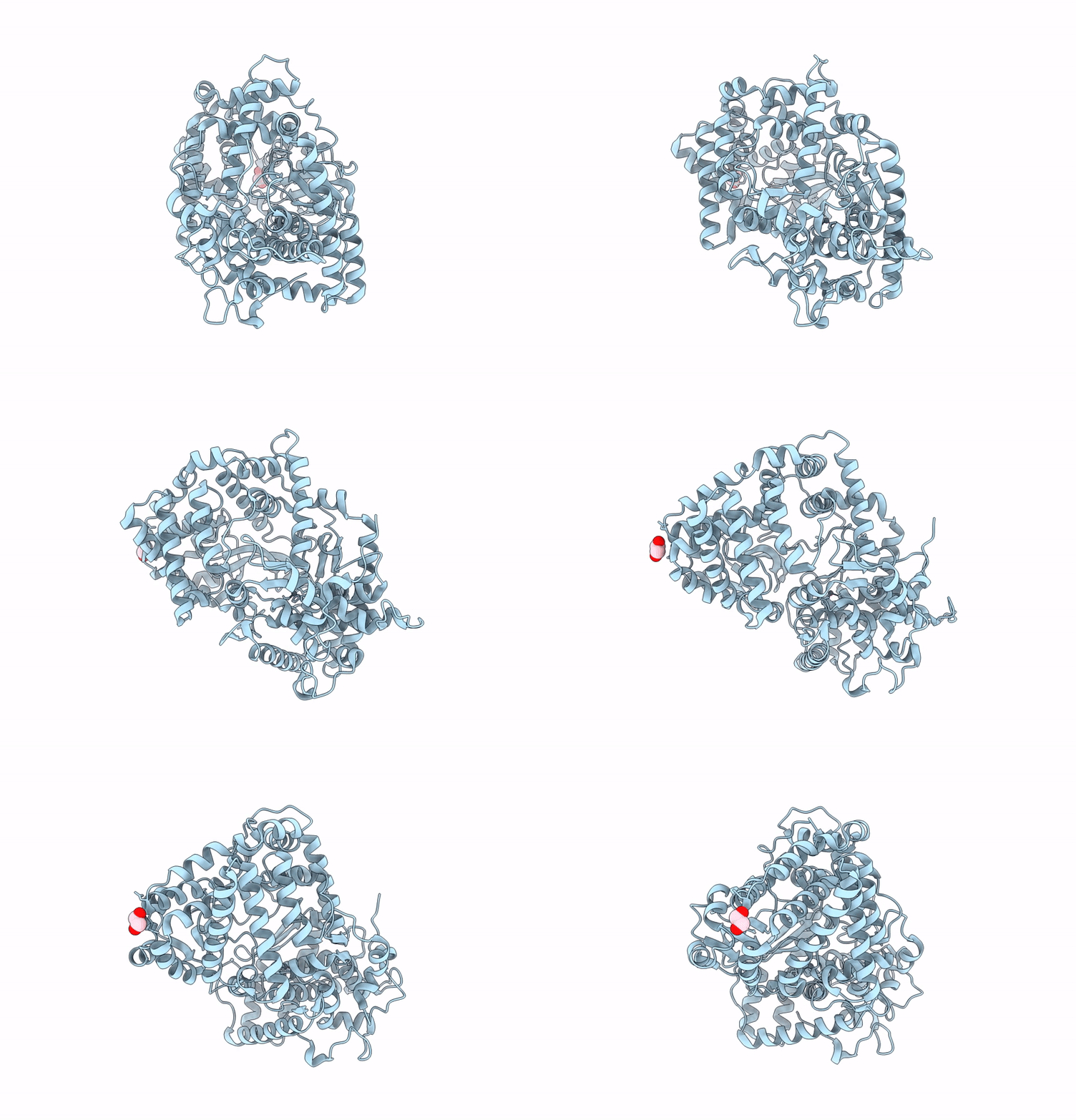
9FMA image
Deposition Date 2024-06-05
Release Date 2025-12-17
Last Version Date 2026-05-13
Entry Detail
PDB ID:
9FMA
Keywords:
Title:
Structure of Porphyromonas gingivalis endopeptidase (PgPepO)
Biological Source:
Source Organism(s):
Expression System(s):
Method Details:
Experimental Method:
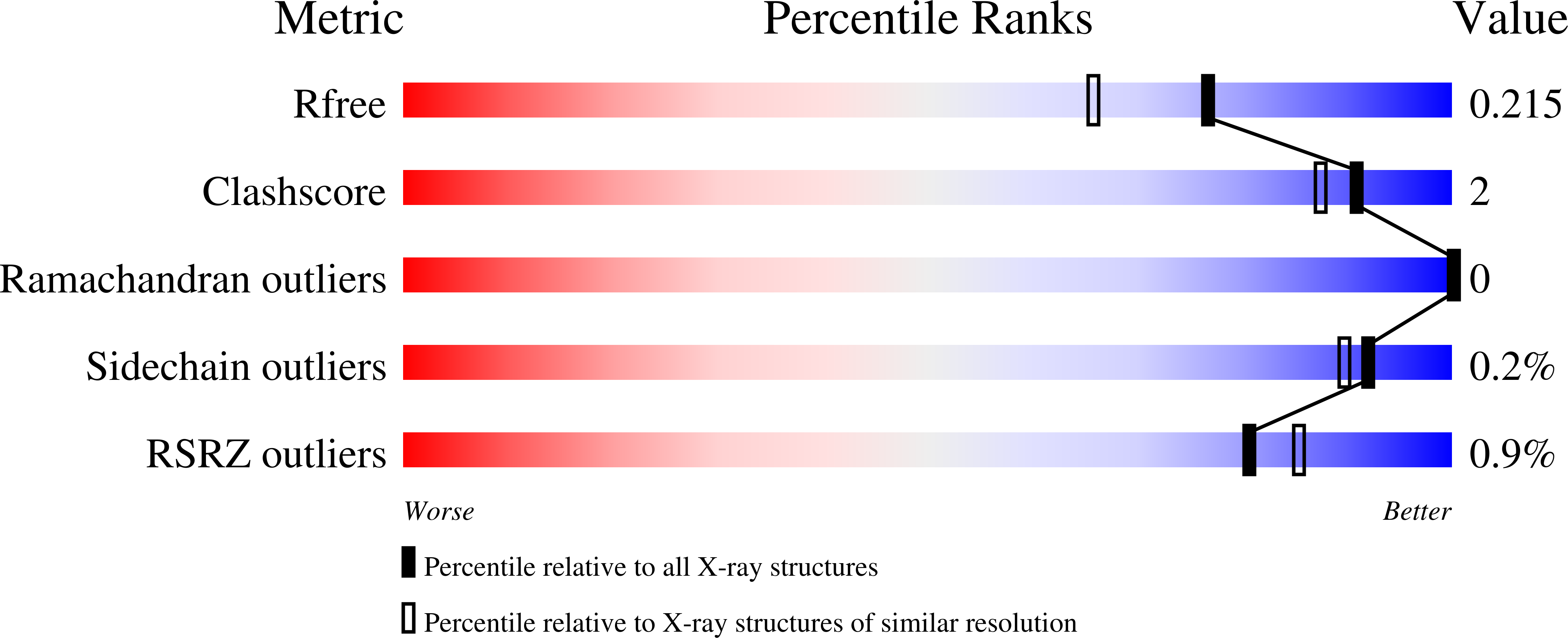
Resolution:
1.76 Å
R-Value Free:
0.21
R-Value Work:
0.18
R-Value Observed:
0.18
Space Group:
P 41 21 2
Macromolecular Entities
Structures with similar UniProt ID
Protein Blast
Polymer Type:polypeptide(L)
Molecule:Endopeptidase PepO
Gene (Uniprot):pepO
Chain IDs:A
Chain Length:667
Number of Molecules:1
Biological Source:Porphyromonas gingivalis
Primary Citation
Periodontopathogens degrade angiotensin I from the human renin-angiotensin system through surface-attached proteases.
Sci Rep 15 43309 43309 (2025)
PMID: 41310390 DOI: 10.1038/s41598-025-27891-0

Abstact

The renin-angiotensin system (RAS) has its effects through biologically-active peptides, the angiotensins (Ang). The angiotensinogen-derived precursor, Ang I, is cleaved either to proinflammatory Ang II, which increases blood pressure or to Ang 1-7, which has opposite effects to Ang II. Here, we show that Porphyromonas gingivalis (Pg) and Tannerella forsythia (Tf), endogenous oral pathogens, direct the RAS to generate Ang 1-7 through the actions of the endopeptidases O PgPepO and TfPepO, respectively. The thermophilic PepOs metalloproteases preferred large hydrophobic amino acids at the carbonyl terminus of scissile peptide bonds (P1' position), and TfPepO, in contrast to all known homologous proteases, hydrolyzed substrates distant to both termini. The crystal structures revealed exceptionally wide entrances to the catalytic cleft, which explains the unique properties of TfPepO. Multiple immunoassays showed that PepOs attached to bacterial cell surfaces are released in outer membrane vesicles. Moreover, PepO was responsible for Ang I hydrolysis by Pg and Tf. Finally, PepO deletion reduced only the virulence of Tf using the Galleria mellonella model. Thus, our data show that PepOs are the only proteases of Pg and Tf, which may modulate RAS through AngI hydrolysis.

Legend

Protein

Chemical

Disease

Primary Citation of related structures
Feedback Form
Name
Email
Institute
Feedback