

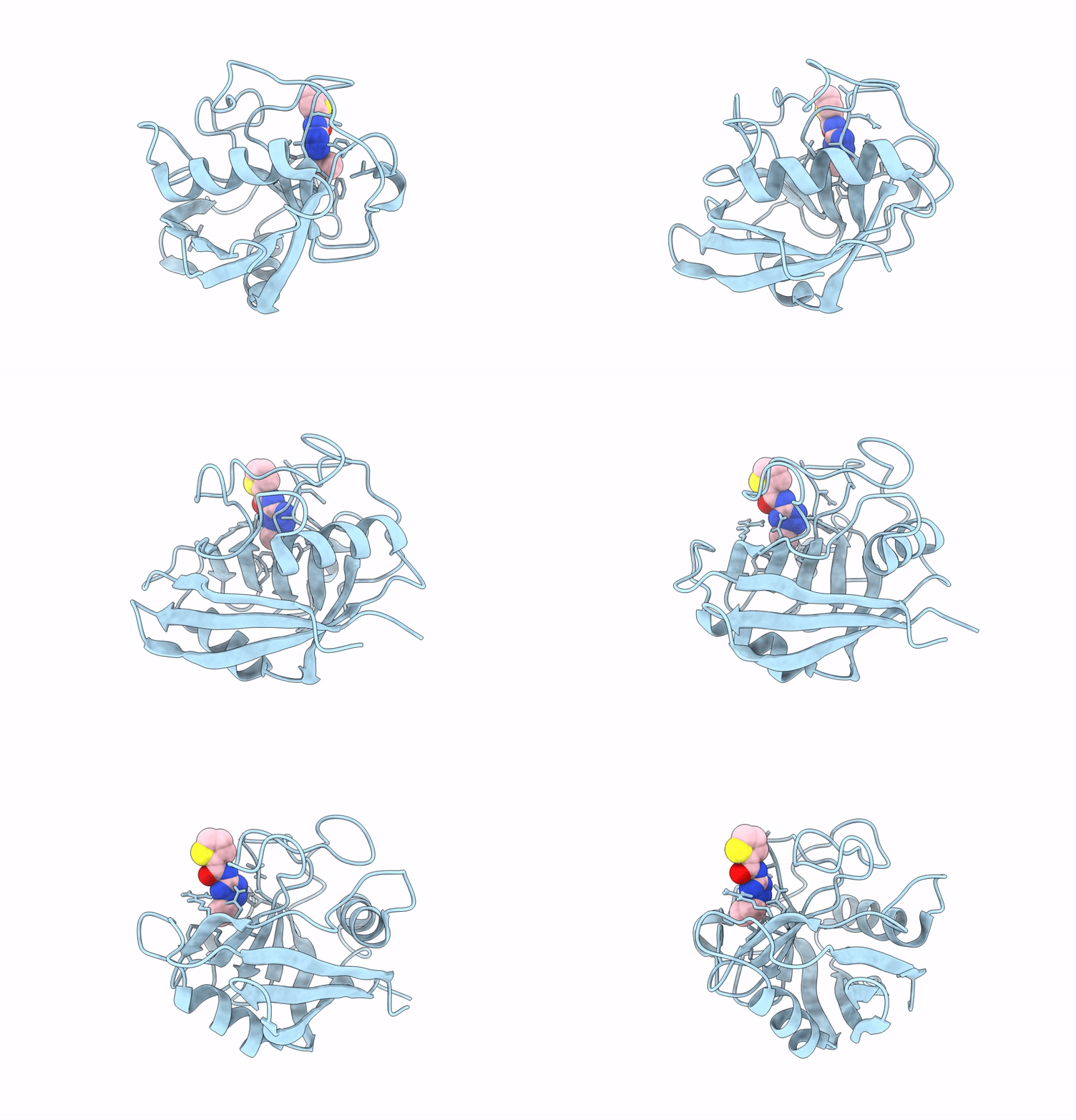
9F0I image
Deposition Date 2024-04-16
Release Date 2025-04-30
Last Version Date 2026-04-08
Entry Detail
PDB ID:
9F0I
Keywords:
Title:
Human Cyclophilin D in complex with fragment
Biological Source:
Source Organism(s):
Homo sapiens (Taxon ID: 9606)
Expression System(s):
Method Details:
Experimental Method:
Resolution:
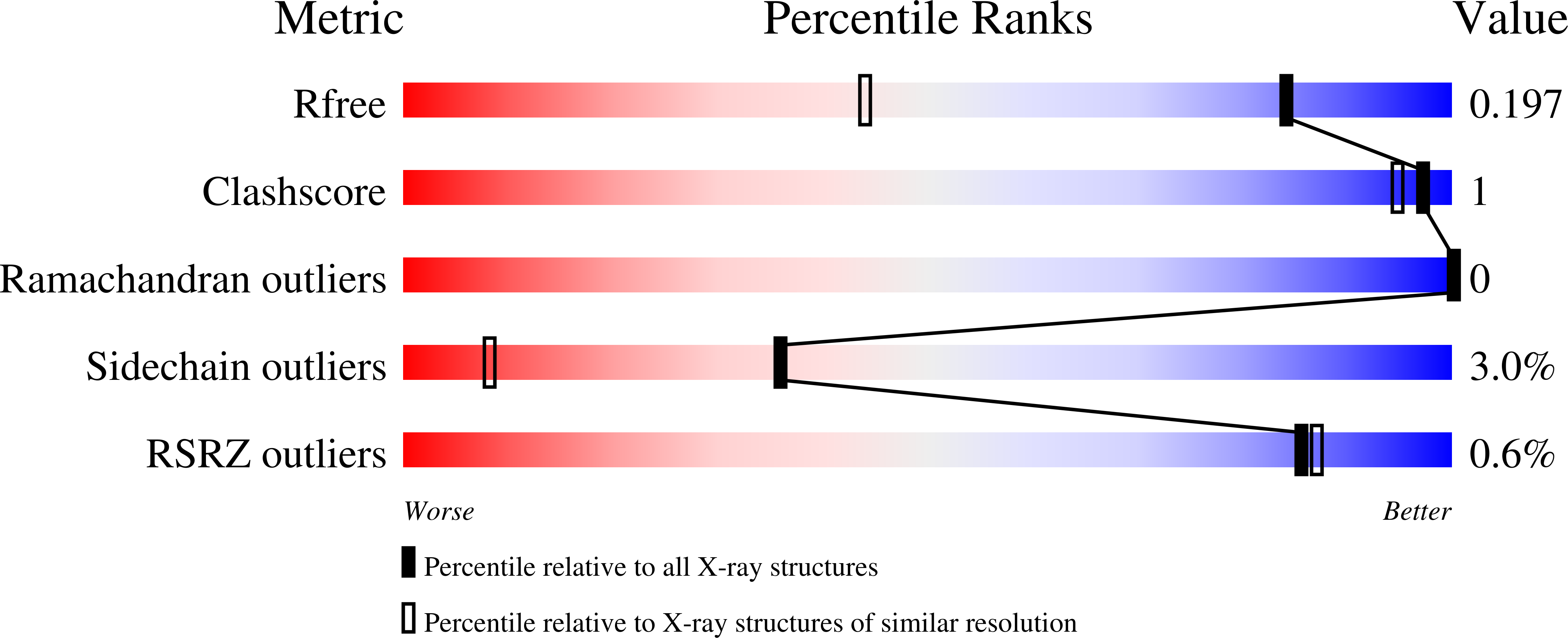
1.40 Å
R-Value Free:
0.19
R-Value Work:
0.16
R-Value Observed:
0.16
Space Group:
P 43 21 2
Macromolecular Entities
Structures with similar UniProt ID
Protein Blast
Polymer Type:polypeptide(L)
Molecule:Peptidyl-prolyl cis-trans iso
Gene (Uniprot):PPIF
Mutagens:K125Q, K133I
Chain IDs:A
Chain Length:165
Number of Molecules:1
Biological Source:Homo sapiens
Ligand Molecules
Primary Citation
Structure-based design of pyrazole derivatives targeting the human Cyclophilin D binding site.
Int. J. Biol. Macromol. ? 151496 151496 (2026)
PMID: 41881208 DOI: 10.1016/j.ijbiomac.2026.151496

Abstact

Mitochondrial permeability transition pore (MPTP) dysregulation can be correlated with a variety of human diseases including multiple sclerosis, cardiovascular and neurological diseases. Human Cyclophilin D is a known MPTP regulator and although devoid of deep orthosteric sites, it is believed it can be targeted to develop clinically relevant candidates. Fragment-based drug discovery is a powerful approach for such drug-targets and we revisited a panel of 52 fragment hits by X-ray crystallography, which remained structurally elusive from a previous fragment screening campaign. Using two CypD mutants in a systematic parallel approach combining co-crystallization and soaking techniques (FragInc approach - from Fragment Incubation), new high-resolution crystal structures of CypD-fragment complexes were obtained. We identified a pyrazolo[1,5-a]pyrimidin-2(1H)-one fragment binding to a cleft in-between the known CypD S1' and S2 pockets. These structural insights guided the chemical synthesis of four new molecules to address simultaneously the novel pyrazolo binding pocket and the S2 site, and their crystal structures in complex with CypD were determined. This work opens new perspectives for structure-based drug design of novel tri-vector inhibitors targeting human CypD and proposes a parallel multi-technique methodology to address low-affinity fragments by X-ray crystallography.

Legend

Protein

Chemical

Disease

Primary Citation of related structures
Feedback Form
Name
Email
Institute
Feedback