

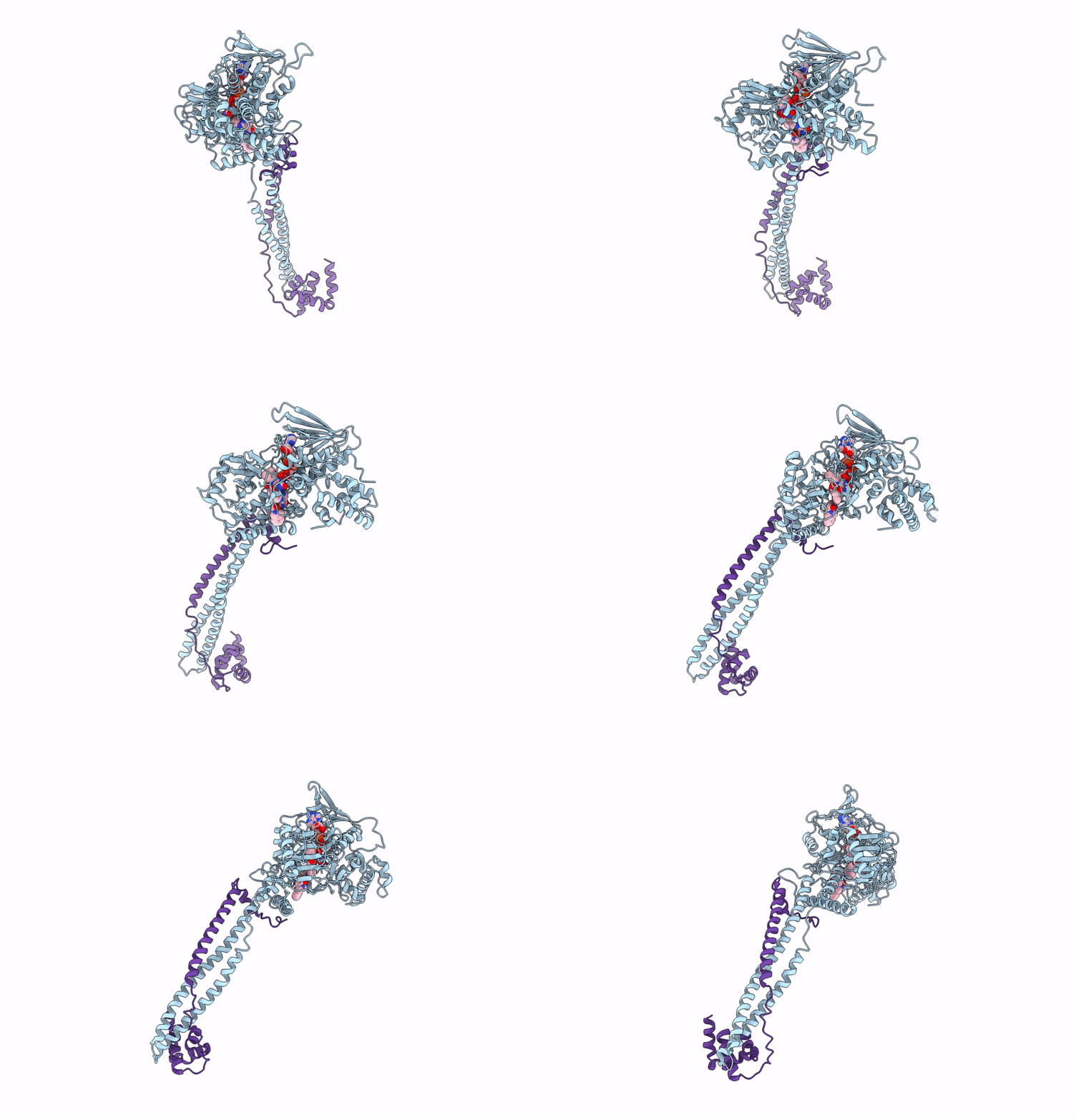
9F0A image
Deposition Date 2024-04-15
Release Date 2025-04-23
Last Version Date 2026-05-06
Entry Detail
PDB ID:
9F0A
Keywords:
Title:
N5 Adduct of LSD1-CoREST in complex with MC4455
Biological Source:
Source Organism(s):
Homo sapiens (Taxon ID: 9606)
Expression System(s):
Method Details:
Experimental Method:
Resolution:
3.36 Å
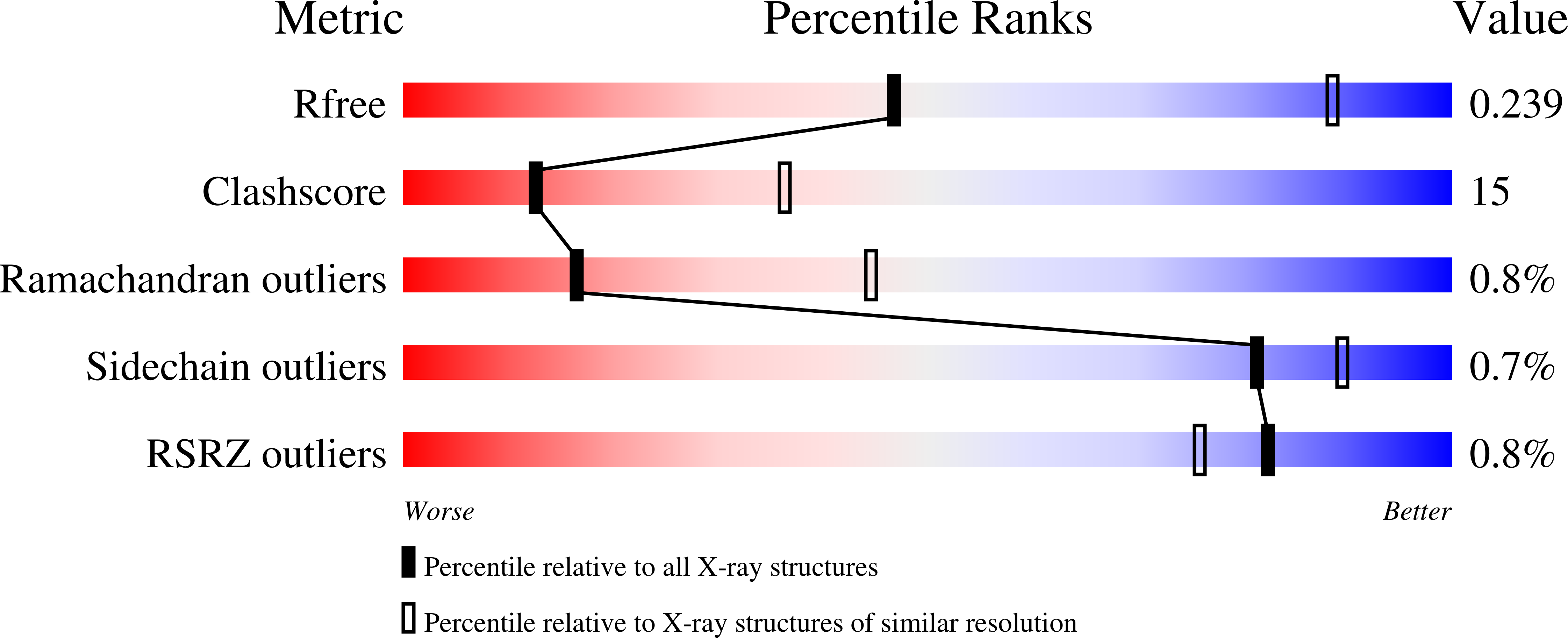
R-Value Free:
0.23
R-Value Work:
0.19
R-Value Observed:
0.20
Space Group:
I 2 2 2
Macromolecular Entities
Structures with similar UniProt ID
Protein Blast
Polymer Type:polypeptide(L)
Molecule:Lysine-specific histone demet
Gene (Uniprot):KDM1A
Chain IDs:A
Chain Length:730
Number of Molecules:1
Biological Source:Homo sapiens
Structures with similar UniProt ID
Protein Blast
Polymer Type:polypeptide(L)
Molecule:REST corepressor 1
Gene (Uniprot):RCOR1
Chain IDs:B
Chain Length:178
Number of Molecules:1
Biological Source:Homo sapiens
Ligand Molecules
Primary Citation

Abstact

Acute myeloid leukemia (AML) is a hematopoietic malignancy caused by abnormal proliferation and differentiation of blasts. PRMT5, a methyltransferase that catalyzes symmetric dimethylation of arginine (SDMA) residues, has been implicated in cancer stem cell homeostasis and shown to be a potential therapeutic target in AML. However, given the toxicity of complete PRMT5 inhibition, there is a need to identify effective synergistic therapies. Through a targeted screen of compounds that inhibit key nodes of PRMT5-regulated pathways, we identified a synthetic lethality between inhibition of PRMT5 and LSD1, a lysine demethylase known to affect AML blast differentiation. The two inhibitors broadly reshape the transcriptome of targeted cells and synergize to promote AML differentiation and eventually growth inhibition and apoptosis, in a p53-dependent manner. To leverage this synthetic lethal interaction, we generated new dual compounds to inhibit both enzymes and recapitulated the effects of the drug combination. Our results uncover an unexpected convergence of PRMT5- and LSD1-regulated targets, paving the way for new therapeutic opportunities.

Legend

Protein

Chemical

Disease

Primary Citation of related structures
Feedback Form
Name
Email
Institute
Feedback