

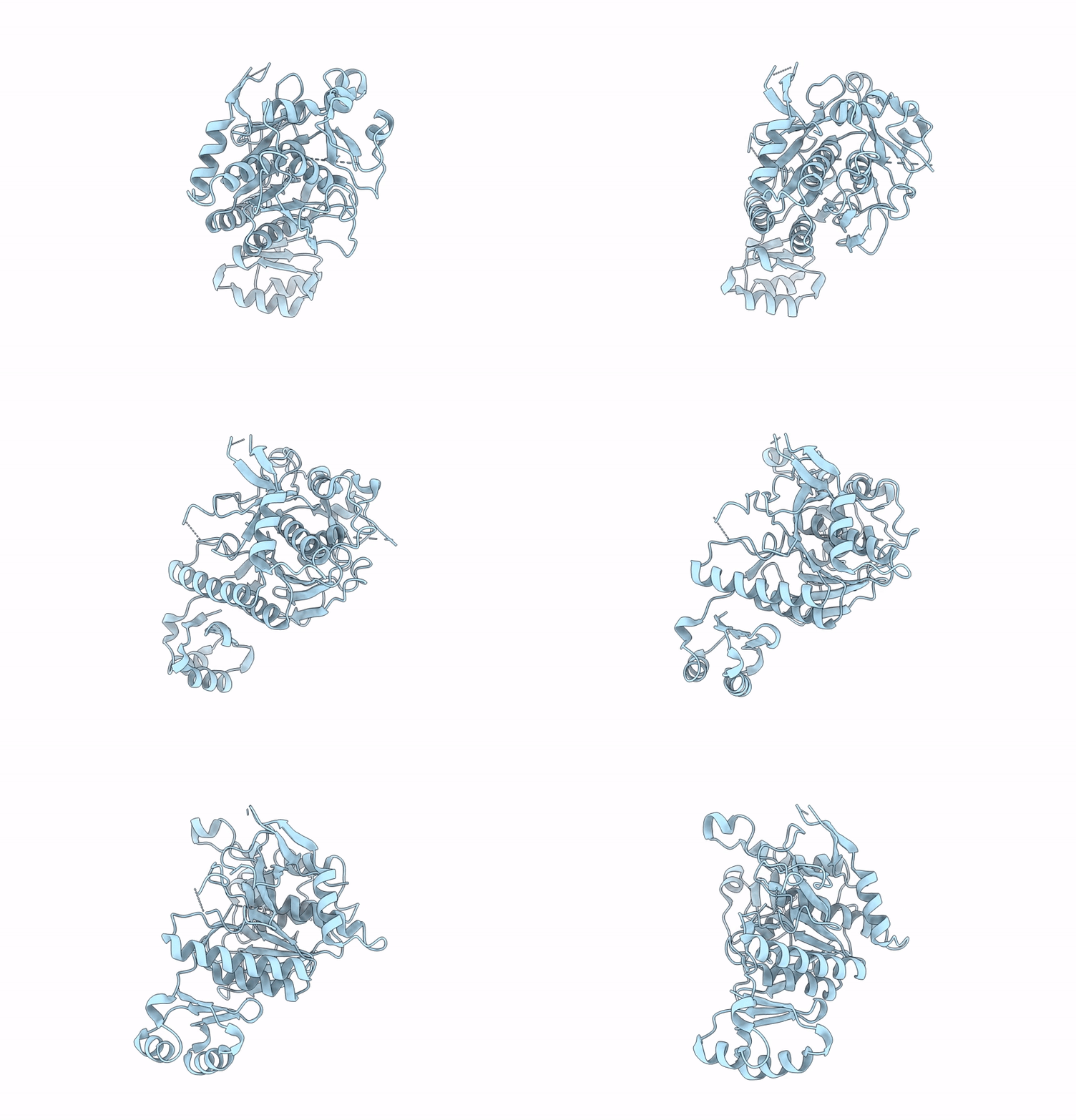
9EKQ image
Deposition Date 2024-12-03
Release Date 2025-06-25
Last Version Date 2025-06-25
Entry Detail
PDB ID:
9EKQ
Keywords:
Title:
Inhibiting the Virulence of Gut Bacteria through Blocking the Activation of a Two-component Lanthipeptide Toxin
Biological Source:
Source Organism(s):
Expression System(s):
Method Details:
Experimental Method:
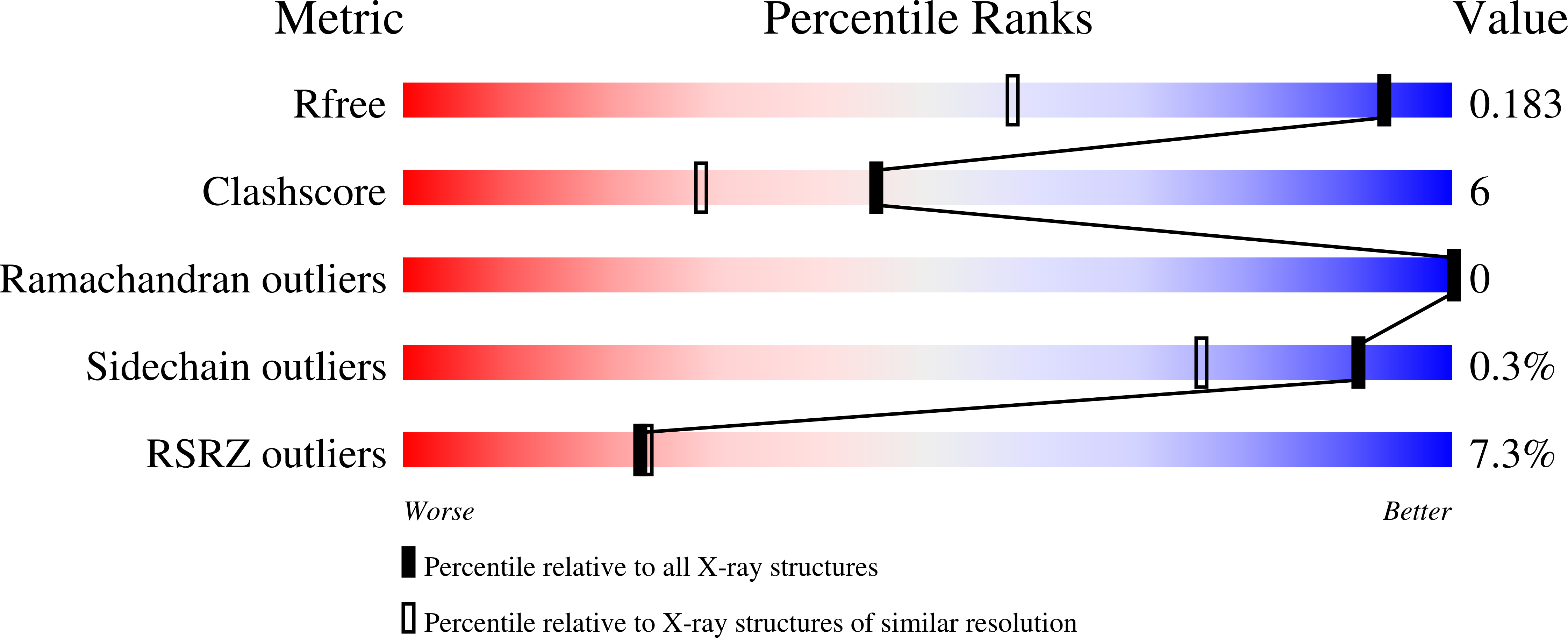
Resolution:
1.30 Å
R-Value Free:
0.18
R-Value Work:
0.17
R-Value Observed:
0.17
Space Group:
C 1 2 1
Macromolecular Entities
Structures with similar UniProt ID
Protein Blast
Polymer Type:polypeptide(L)
Molecule:Lantibiotic leader peptide pr
Mutagens:No
Chain IDs:A
Chain Length:402
Number of Molecules:1
Biological Source:Enterococcus faecalis
Primary Citation
Combatting virulent gut bacteria by inhibiting the biosynthesis of a two-component lanthipeptide toxin.
Nat Commun 16 6936 6936 (2025)
PMID: 40721579 DOI: 10.1038/s41467-025-62161-7

Abstact

The enterococcal cytolysin is a toxic, two-component ribosomally synthesized and post-translationally modified peptide (RiPP) produced by pathogenic Enterococcus faecalis. Cytolysin-producing (C+) E. faecalis resides in the gut microbiome in a commensal role, but results in negative clinical outcomes in alcoholic hepatitis patients. To potentially combat cytolysin virulence, we report inhibitors of its maturation. An extracellular serine protease CylA that is essential for toxin activation is chosen as target. A series of α-aminopeptide boronic acids are designed and synthesized that block cytolysin maturation at low micromolar to nanomolar concentrations in vitro. A crystal structure of CylA provides insights into substrate recognition, autocatalytic activation of the enzyme, and toxin maturation. The inhibitors block hemolytic activity, reduce the amount of cytolysin, and attenuate expression of the cytolysin biosynthetic gene cluster without impeding cell growth. These studies provide a potential route to the development of treatments for cytolysin-induced disease states.

Legend

Protein

Chemical

Disease

Primary Citation of related structures
Feedback Form
Name
Email
Institute
Feedback