

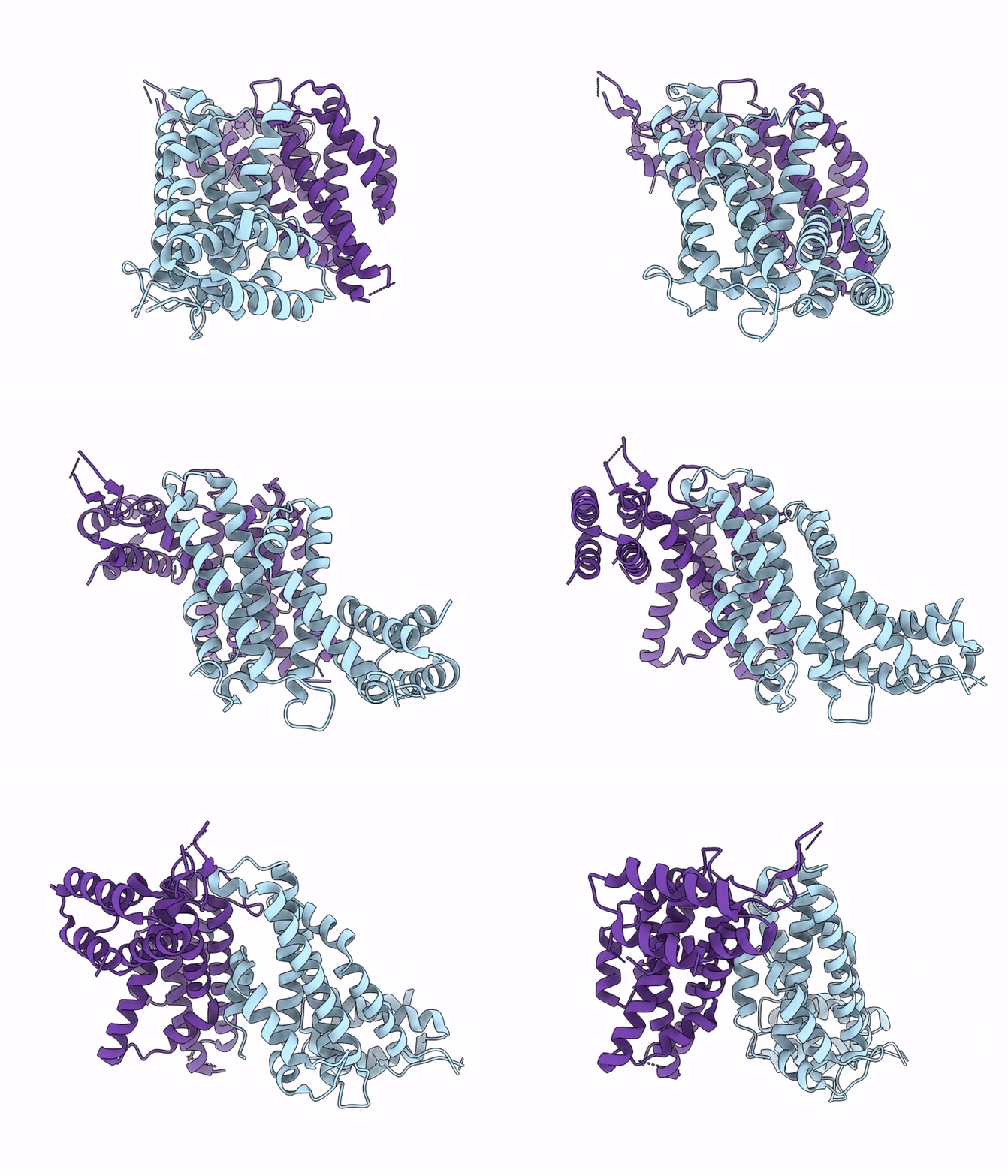
9E5A image
Deposition Date 2024-10-28
Release Date 2026-02-25
Last Version Date 2026-09-09
Entry Detail
PDB ID:
9E5A
Keywords:
Title:
Crystal structure of Acanthamoeba polyphaga mimivirus (APMV) vIF4G 53-312
Biological Source:
Source Organism(s):
Expression System(s):
Method Details:
Experimental Method:
Resolution:
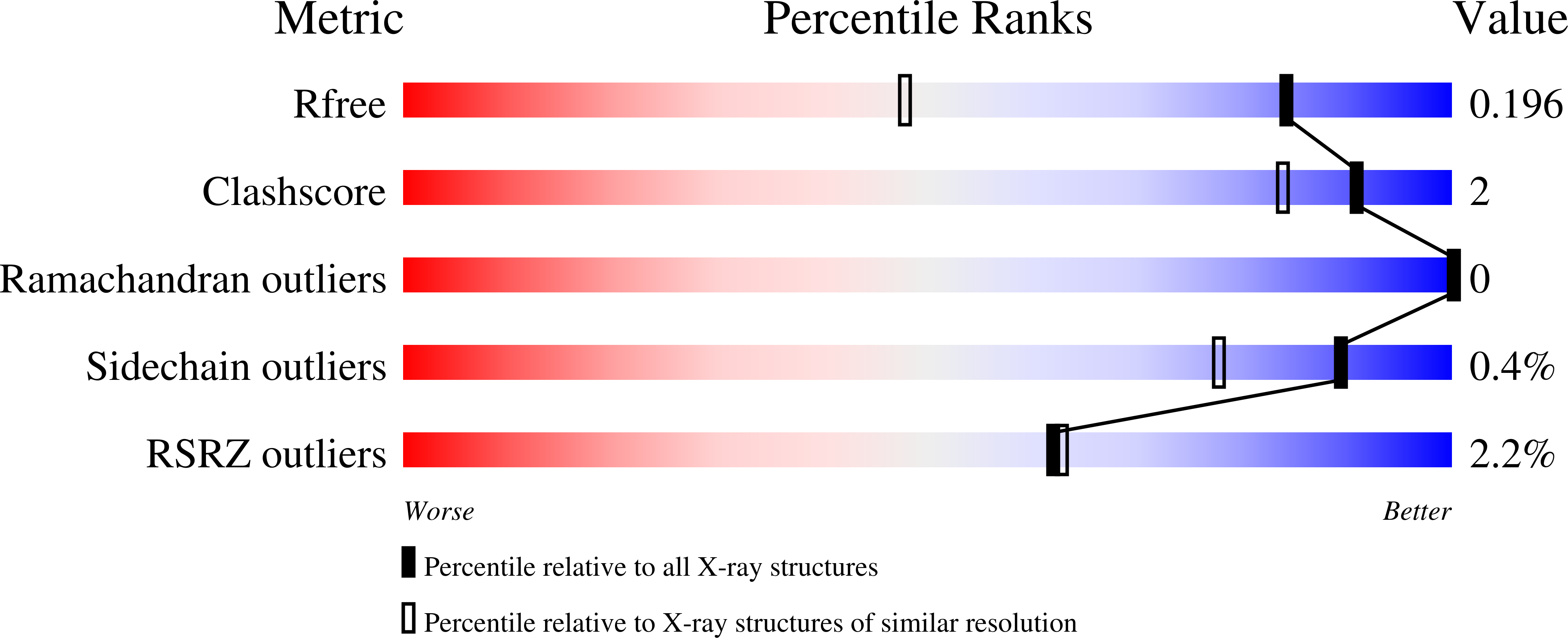
1.46 Å
R-Value Free:
0.19
R-Value Work:
0.17
R-Value Observed:
0.17
Space Group:
P 1 21 1
Macromolecular Entities
Polymer Type:polypeptide(L)
Molecule:Uncharacterized protein R255
Gene (Uniprot):MIMI_R255
Chain IDs:A, B
Chain Length:260
Number of Molecules:2
Biological Source:Acanthamoeba polyphaga mimivirus
Primary Citation
Giant DNA viruses encode a hallmark translation initiation complex of eukaryotic life.
Cell 189 1423 1433.e16 (2026)
PMID: 41709453 DOI: 10.1016/j.cell.2026.01.008

Abstact

In contrast to living organisms, viruses were long thought to lack protein synthesis machinery and instead depend on host factors to translate viral transcripts. Here, we discover that giant DNA viruses encode a distinct and functional IF4F translation-initiation complex to drive protein synthesis, thereby blurring the line between cellular and acellular biology. During infection, eukaryotic IF4F on host ribosomes is replaced by an essential viral IF4F that regulates viral translation, virion formation, and replication plasticity during altered host states. Structural dissection of viral IF4F reveals that the mRNA cap-binding subunit mediates exclusive interactions with viral mRNAs, constituting a molecular switch from translating host to viral proteins. Thus, our study establishes that viruses express a eukaryotic translation-initiation complex for protein synthesis, illuminating a series of evolutionary innovations in a core process of life.

Legend

Protein

Chemical

Disease

Primary Citation of related structures
Feedback Form
Name
Email
Institute
Feedback