

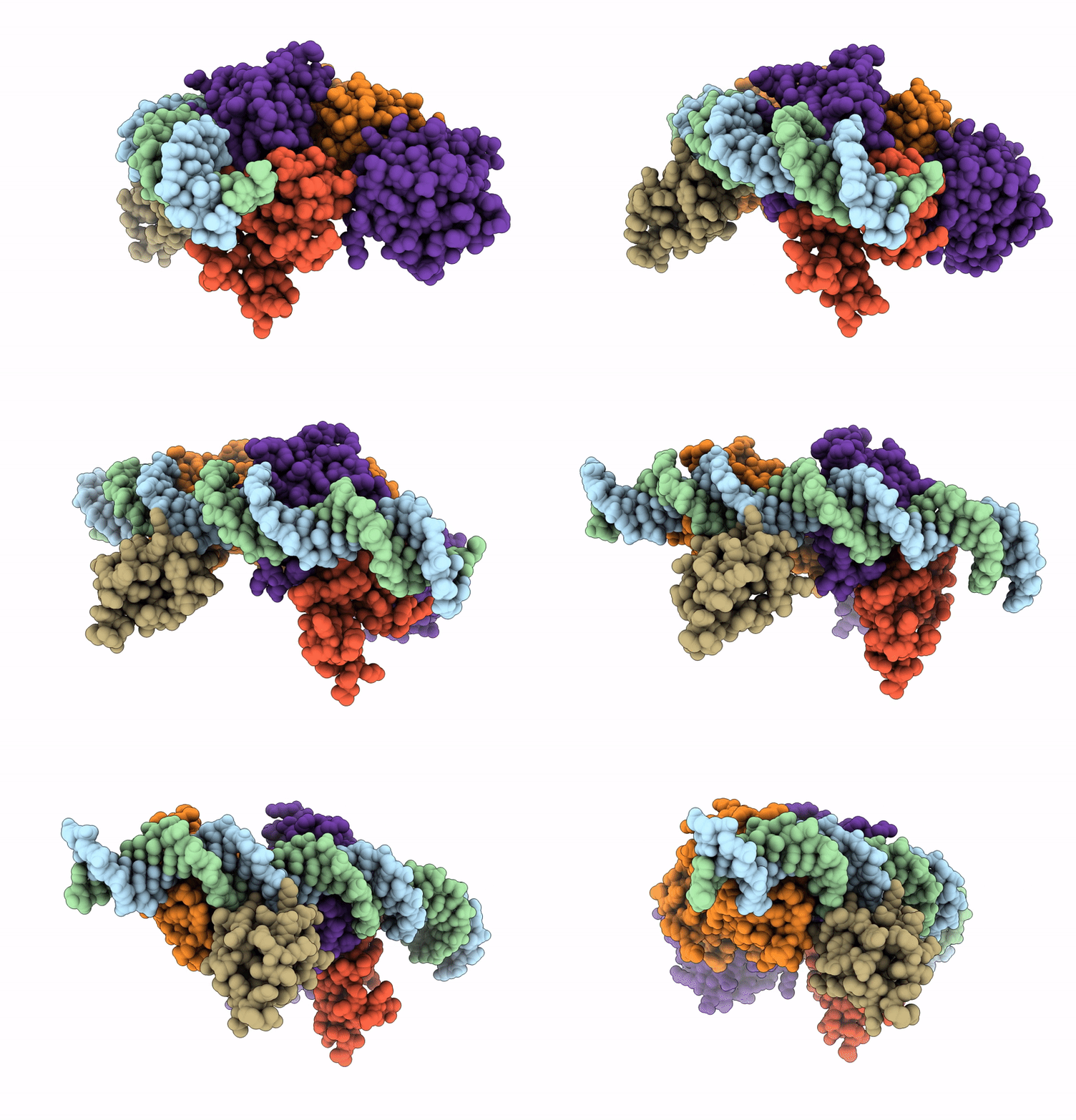
9DVT image
Deposition Date 2024-10-08
Release Date 2025-10-15
Last Version Date 2026-03-04
Entry Detail
PDB ID:
9DVT
Title:
Cryo-EM structure of RpaA bound to PkaiBC DNA and the CTD of the alpha subunit of RNAP from the cyanobacterium Synechococcus elongatus
Biological Source:
Expression System(s):
Method Details:
Experimental Method:
Resolution:
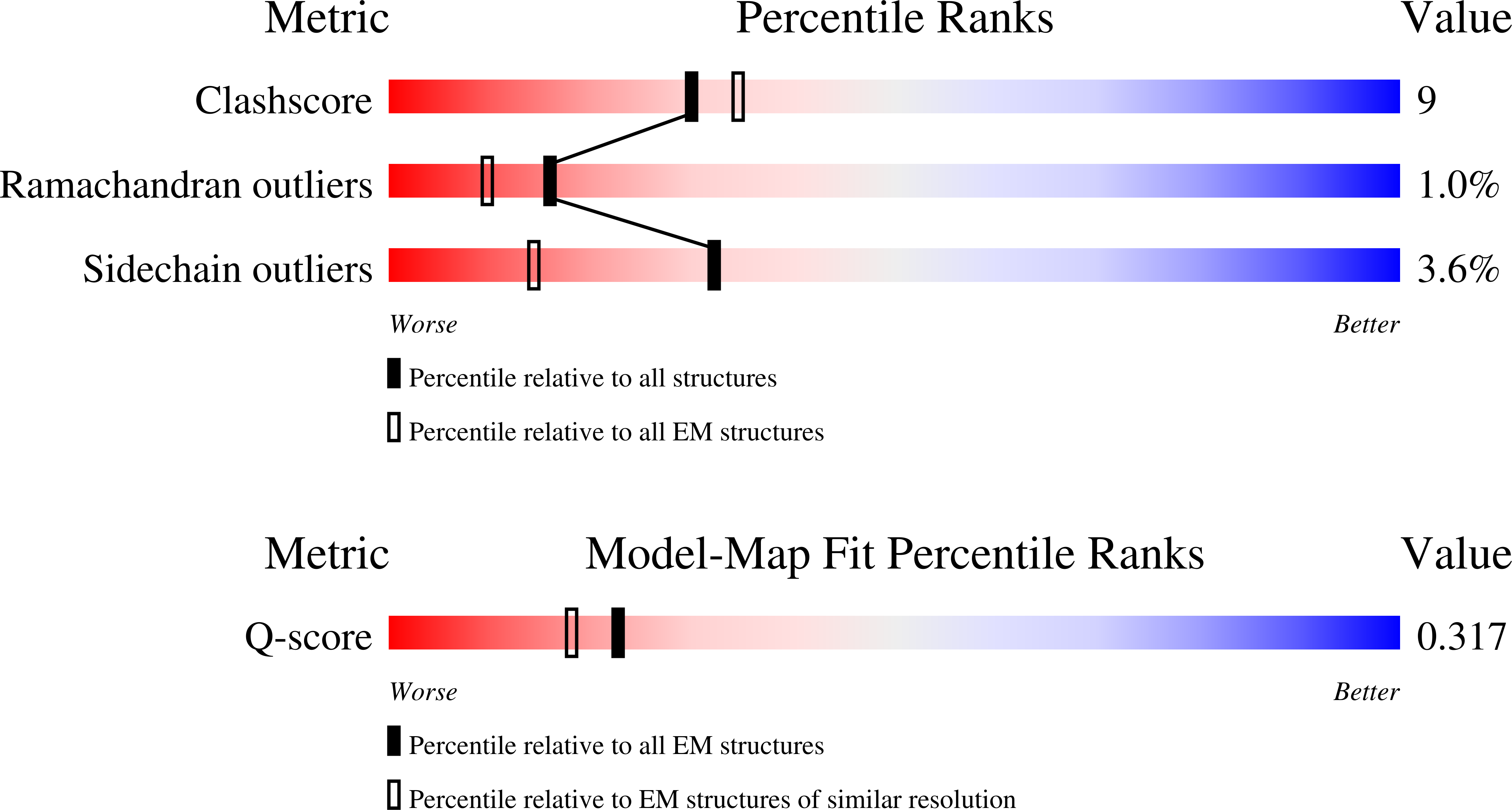
3.74 Å
Aggregation State:
PARTICLE
Reconstruction Method:
SINGLE PARTICLE
Macromolecular Entities
Polymer Type:polydeoxyribonucleotide
Molecule:Non-template DNA
Chain IDs:A (auth: 1)
Chain Length:105
Number of Molecules:1
Biological Source:synthetic construct
Polymer Type:polydeoxyribonucleotide
Molecule:Template DNA
Chain IDs:B (auth: 2)
Chain Length:105
Number of Molecules:1
Biological Source:synthetic construct
Structures with similar UniProt ID
Protein Blast
Polymer Type:polypeptide(L)
Molecule:DNA-directed RNA polymerase s
Gene (Uniprot):rpoA
Chain IDs:C (auth: A)
Chain Length:309
Number of Molecules:1
Biological Source:Synechococcus elongatus
Structures with similar UniProt ID
Protein Blast
Polymer Type:polypeptide(L)
Molecule:RNA polymerase sigma factor S
Gene (Uniprot):sigA1
Chain IDs:F (auth: G)
Chain Length:399
Number of Molecules:1
Biological Source:Synechococcus elongatus PCC 7942 = FACHB-805
Structures with similar UniProt ID
Protein Blast
Polymer Type:polypeptide(L)
Molecule:DNA-binding dual master trans
Gene (Uniprot):rpaA
Chain IDs:D (auth: R), E (auth: S)
Chain Length:249
Number of Molecules:2
Biological Source:Synechococcus elongatus PCC 7942 = FACHB-805
Modified Residue
Compound ID Chain ID Parent Comp ID Details 2D Image
PHD D ASP modified residue
Ligand Molecules
Primary Citation
Mechanism and reconstitution of circadian transcription in cyanobacteria.
Nat. Struct. Mol. Biol. 33 275 281 (2026)
PMID: 41667880 DOI: 10.1038/s41594-025-01740-0

Abstact

Circadian biological clocks evolved across kingdoms of life as an adaptation to predictable cycles of sunrise and sunset. In the cyanobacterium Synechococcus elongatus, a protein-based clock precisely controls when different genes are turned on and off during the 24-h day but the phasing mechanism remains unclear. Here we show the molecular basis of this regulation and reconstitute clock-controlled transcription in vitro using purified components. Biochemical and structural analyses revealed that the clock-regulated transcription factor RpaA can function as either an activator or a repressor of cyanobacterial RNA polymerase, depending on its binding position relative to core promoter elements. Leveraging the repressor mechanism, we developed a heterologous in vitro system driven by bacteriophage T7 RNA polymerase that sustains circadian transcription for multiple days. These findings explain how a single clock output generates opposite phases of gene expression and define the minimal components for circadian clock function, enabling synthetic or biotechnological applications.

Legend

Protein

Chemical

Disease

Primary Citation of related structures
Feedback Form
Name
Email
Institute
Feedback