

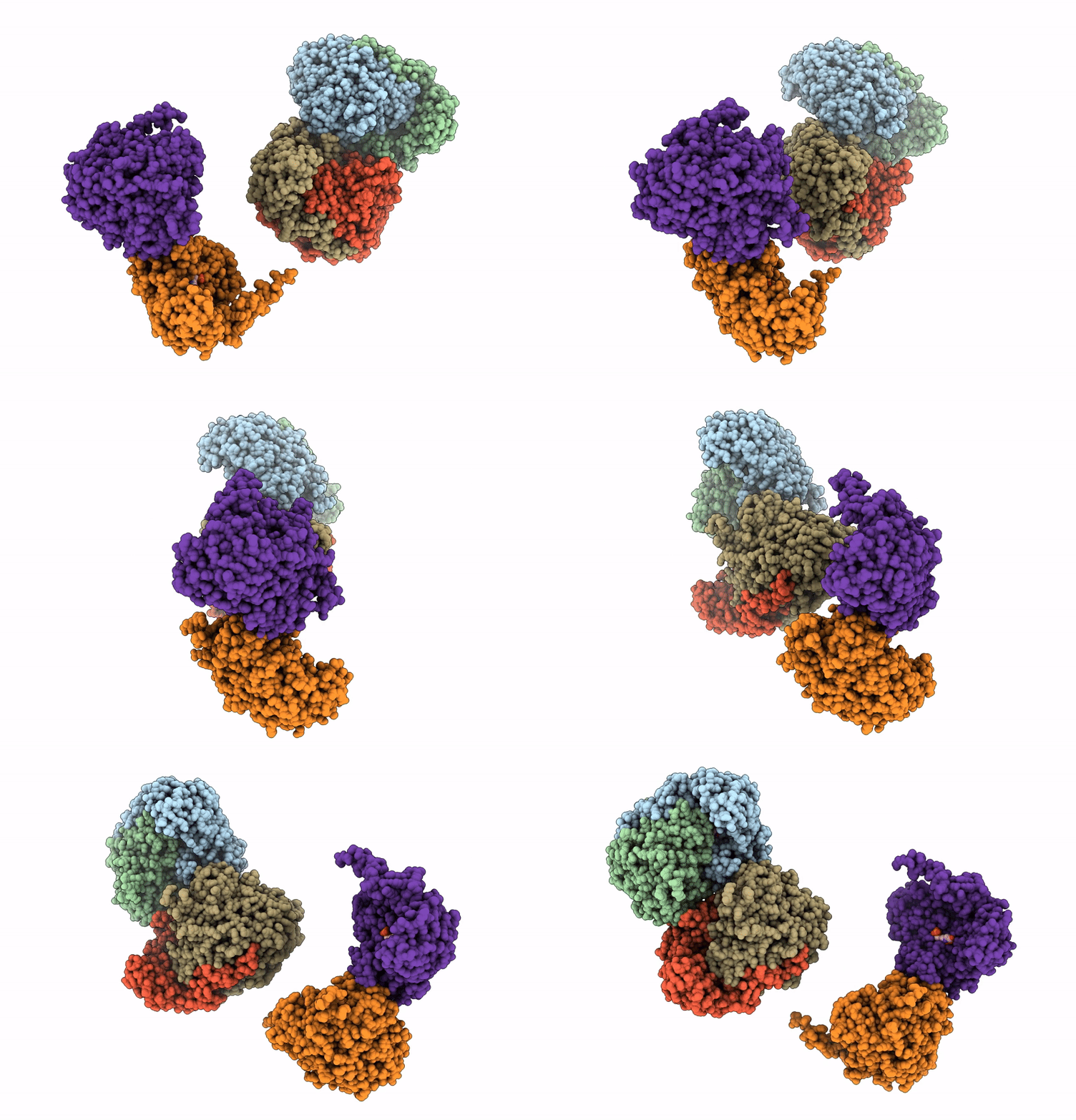
9DLT image
Deposition Date 2024-09-11
Release Date 2025-09-17
Last Version Date 2026-10-07
Entry Detail
PDB ID:
9DLT
Keywords:
Title:
STRUCTURE OF SERINE HYDROXYMETHYLTRANSFERASE 5 FROM GLYCINE MAX CULTIVAR ESSEX COMPLEXED WITH PLP-GLYCINE
Biological Source:
Source Organism(s):
Glycine max (Taxon ID: 3847)
Expression System(s):
Method Details:
Experimental Method:
Resolution:
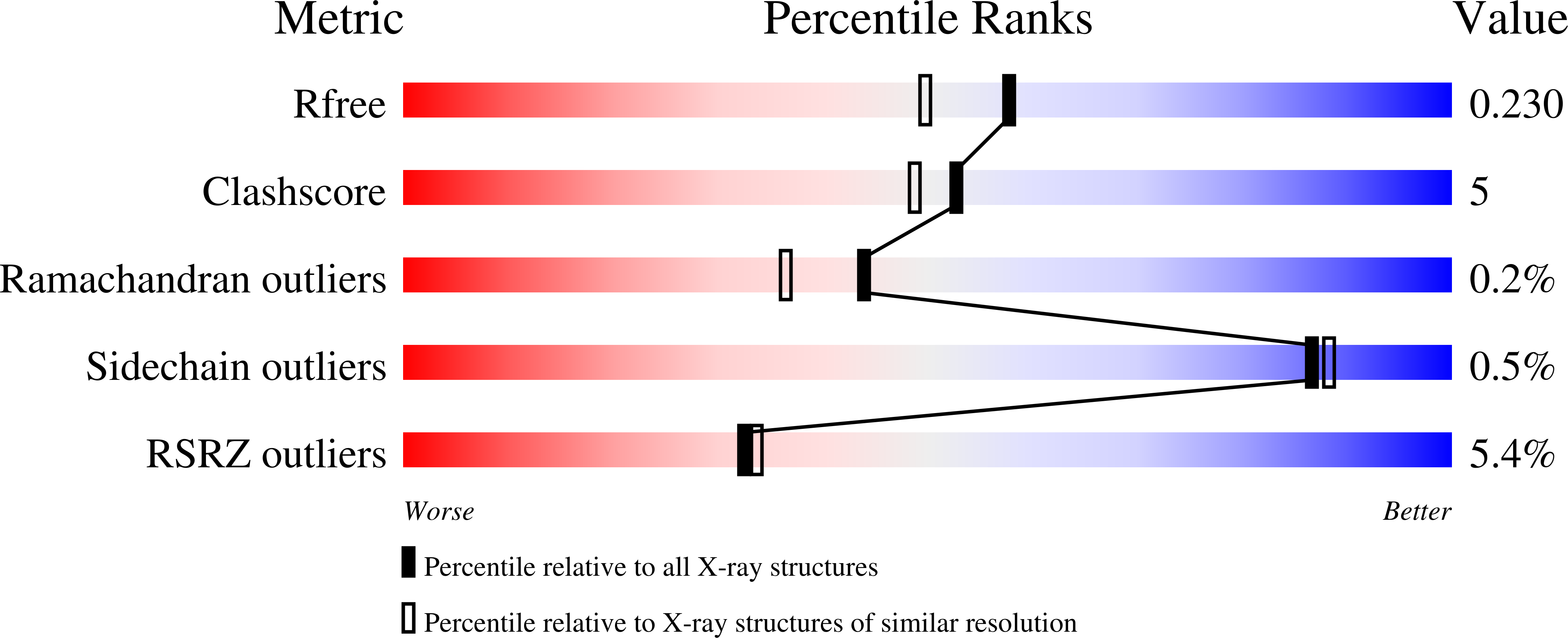
1.90 Å
R-Value Free:
0.23
R-Value Work:
0.19
R-Value Observed:
0.20
Space Group:
P 31 2 1
Macromolecular Entities
Polymer Type:polypeptide(L)
Molecule:Serine hydroxymethyltransfera
Gene (Uniprot):LOC100815417
Chain IDs:A, B, C, D, E, F
Chain Length:496
Number of Molecules:6
Biological Source:Glycine max
Primary Citation
Functional divergence of two soybean cytosolic serine hydroxymethyltransferases in development and defense against soybean cyst nematode.
Front Plant Sci 17 1942553 1942553 (2026)
PMID: 42729520 DOI: 10.3389/fpls.2026.1942553

Abstact

Serine hydroxymethyltransferase (SHMT) is an enzyme essential for one-carbon metabolism. In higher plants, multiple SHMT genes code for isoforms that function in the cytosol, nucleus, mitochondria, and chloroplasts. The soybean genome contains two cytosolic SHMTs, GmSHMT05 and GmSHMT08, sharing high sequence identity and similar expression throughout soybean development. In certain soybean genotypes, two amino acid substitutions negatively impact GmSHMT08's ability to bind to tetrahydrofolate (THF), leading to a gain-of-function in resistance to the soybean cyst nematode (SCN). Whether this perturbation to the enzyme has other functional consequences for soybean growth and development remains unknown. Here, we investigated the roles of cytosolic GmSHMTs in soybean growth and development. We determined that the 3D structure and folate-binding affinity of GmSHMT05 are highly similar to the version of GmSHMT08 found in susceptible soybeans. We further measured phenotypic traits of two ethyl methanesulfonate-derived Gmshmt08 mutant plants in an SCN-resistant soybean background. Aboveground soybean growth and development were similar, except the Gmshmt08 mutant plants showed a significant increase in pods/plant in field phenotyping trials. Belowground analyses revealed a significant increase in lateral root and total root length in mutant plants, and CRISPR-Cas9 editing demonstrated an essential role of cytosolic SHMTs in root growth. Taken together, our results indicate that GmSHMT05 sustains overall soybean growth and development in the absence of GmSHMT08; however, GmSHMT08's gain-of-function in SCN resistance negatively influences pod and root growth, highlighting a potential trade-off between soybean defense and development that may impact yield when breeding with GmSHMT08 to develop SCN-resistant varieties.

Legend

Protein

Chemical

Disease

Primary Citation of related structures
Feedback Form
Name
Email
Institute
Feedback