

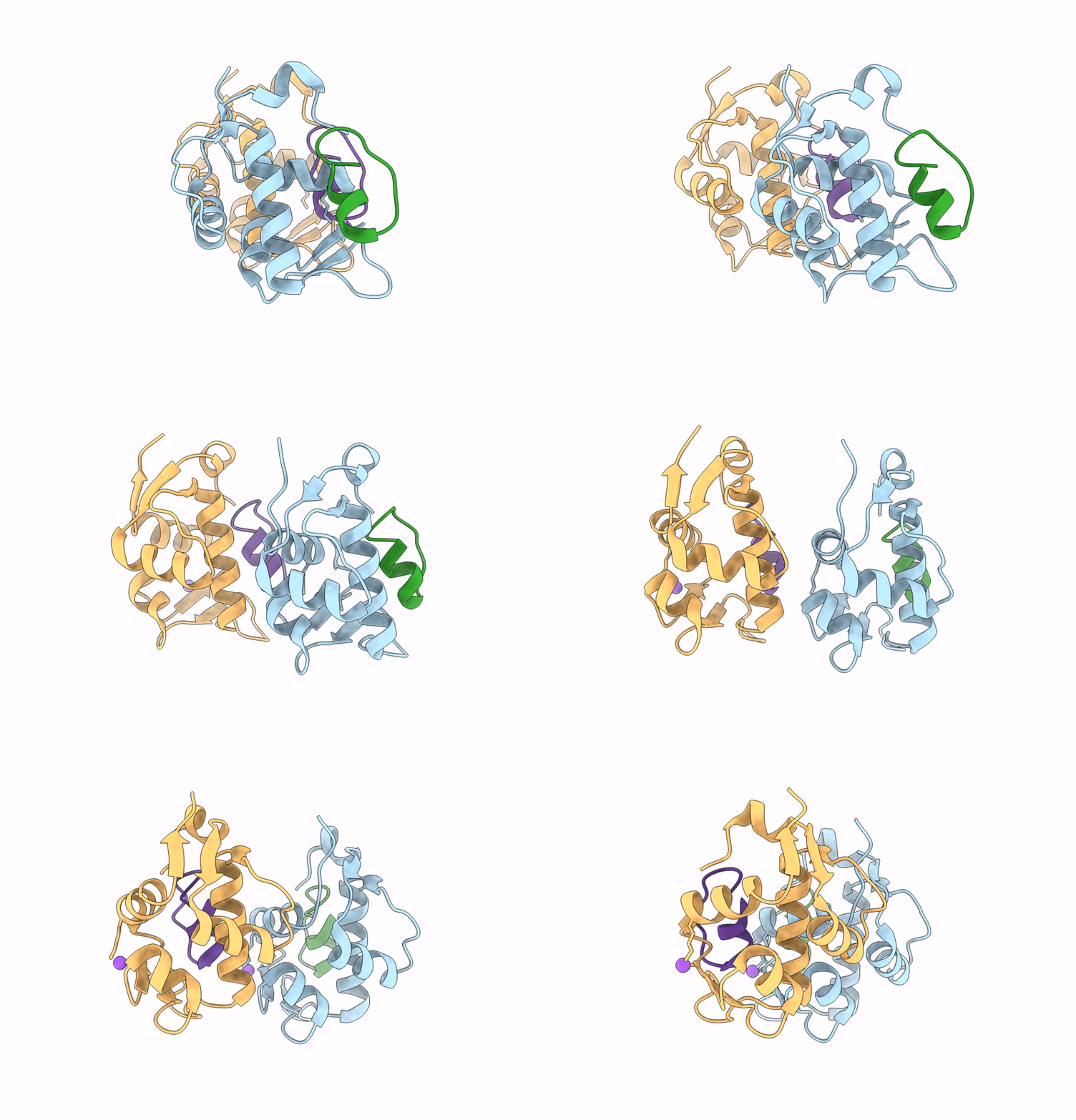
9CDZ image
Deposition Date 2024-06-25
Release Date 2025-04-16
Last Version Date 2025-06-11
Entry Detail
PDB ID:
9CDZ
Keywords:
Title:
Crystal Structure of MDM2-Peptide Complex
Biological Source:
Source Organism(s):
Expression System(s):
Method Details:
Experimental Method:
Resolution:
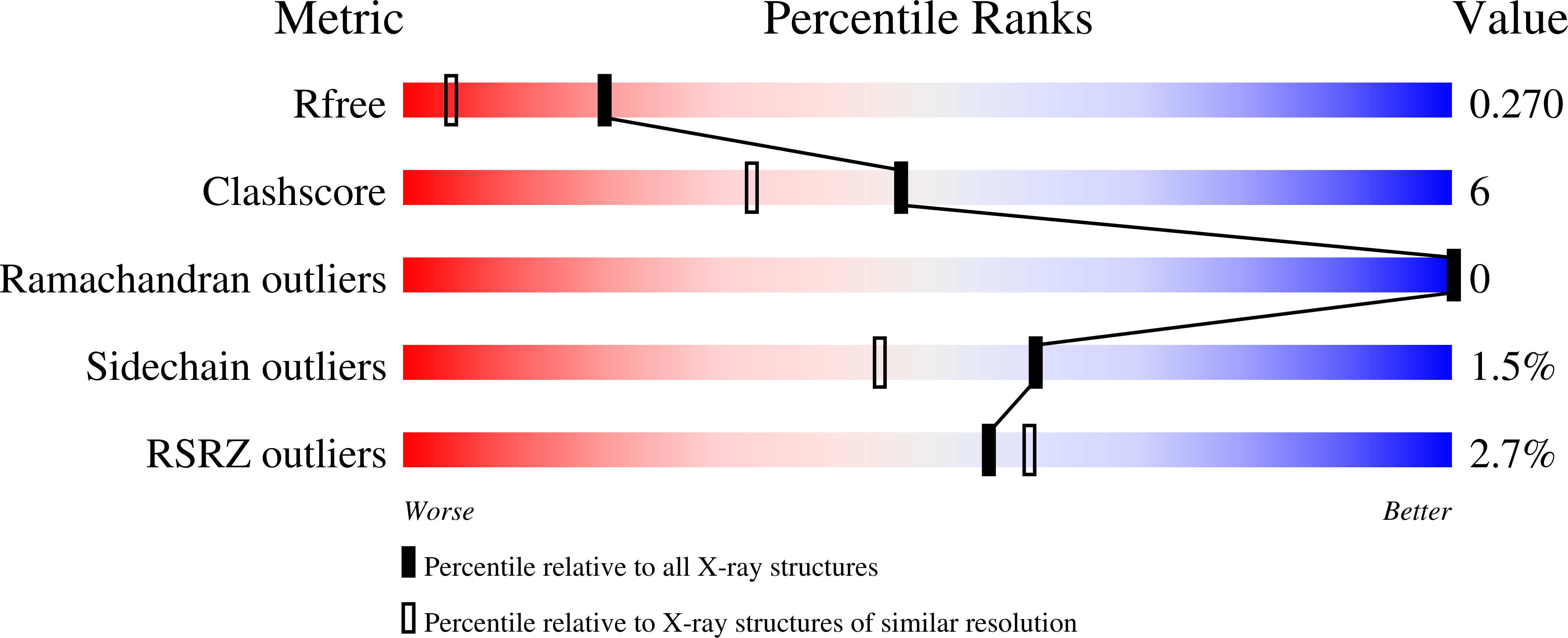
1.72 Å
R-Value Free:
0.27
R-Value Work:
0.22
R-Value Observed:
0.22
Space Group:
P 1 21 1
Macromolecular Entities
Structures with similar UniProt ID
Protein Blast
Polymer Type:polypeptide(L)
Molecule:E3 ubiquitin-protein ligase M
Gene (Uniprot):MDM2
Mutagens:E52A, K53A
Chain IDs:A, C
Chain Length:108
Number of Molecules:2
Biological Source:Homo sapiens
Protein Blast
Polymer Type:polypeptide(L)
Molecule:Peptide
Chain IDs:B, D
Chain Length:16
Number of Molecules:2
Biological Source:synthetic construct
Ligand Molecules
Primary Citation
Cyclic peptide structure prediction and design using AlphaFold2.
Nat Commun 16 4730 4730 (2025)
PMID: 40399308 DOI: 10.1038/s41467-025-59940-7

Abstact

Small cyclic peptides have gained significant traction as a therapeutic modality; however, the development of deep learning methods for accurately designing such peptides has been slow, mostly due to the lack of sufficiently large training sets. Here, we introduce AfCycDesign, a deep learning approach for accurate structure prediction, sequence redesign, and de novo hallucination of cyclic peptides. Using AfCycDesign, we identified over 10,000 structurally-diverse designs predicted to fold into the designed structures with high confidence. X-ray crystal structures for eight tested de novo designed sequences match very closely with the design models (RMSD < 1.0 Å), highlighting the atomic level accuracy in our approach. Further, we used the set of hallucinated peptides as starting scaffolds to design binders with nanomolar IC50 against MDM2 and Keap1. The computational methods and scaffolds developed here provide the basis for the custom design of peptides for diverse protein targets and therapeutic applications.

Legend

Protein

Chemical

Disease

Primary Citation of related structures
Feedback Form
Name
Email
Institute
Feedback