

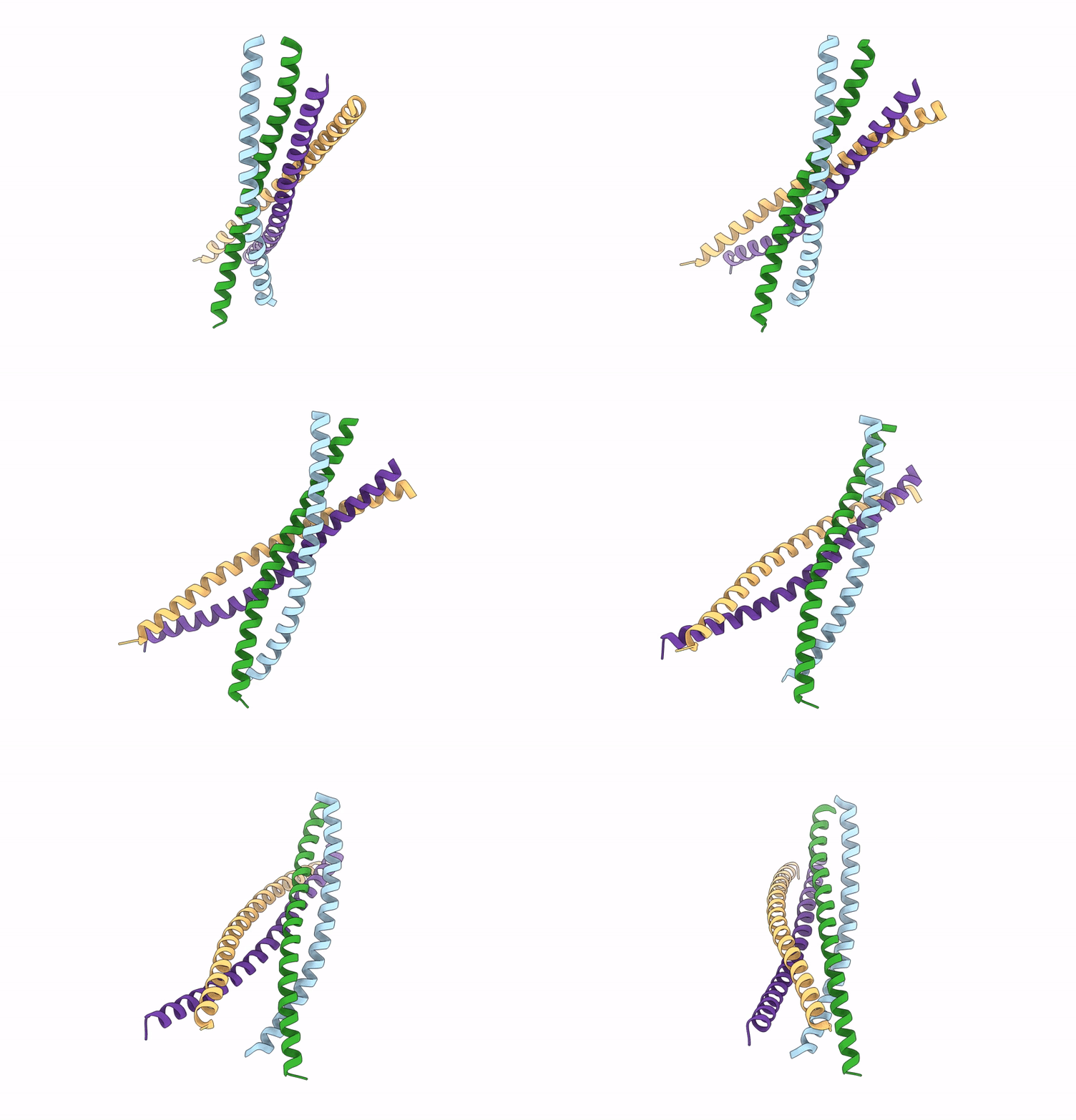
9AVM image
Deposition Date 2024-03-04
Release Date 2025-03-12
Last Version Date 2026-04-29
Entry Detail
PDB ID:
9AVM
Keywords:
Title:
Crystal Structure of CARD9 coiled-coil K156-K214
Biological Source:
Source Organism(s):
Homo sapiens (Taxon ID: 9606)
Expression System(s):
Method Details:
Experimental Method:
Resolution:
1.79 Å
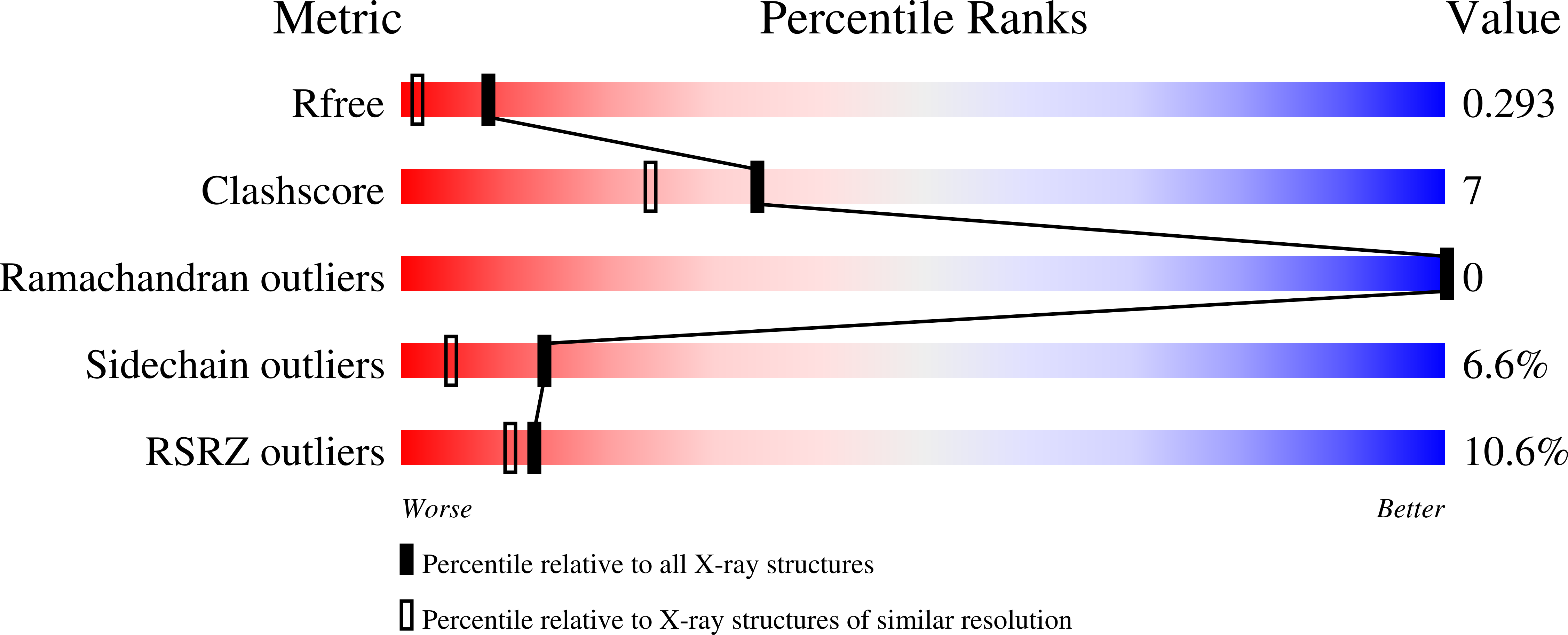
R-Value Free:
0.29
R-Value Work:
0.24
R-Value Observed:
0.24
Space Group:
P 1
Macromolecular Entities
Structures with similar UniProt ID
Protein Blast
Polymer Type:polypeptide(L)
Molecule:Caspase recruitment domain-co
Gene (Uniprot):CARD9
Chain IDs:A, B, C, D
Chain Length:60
Number of Molecules:4
Biological Source:Homo sapiens
Primary Citation

Abstact

Human genetic association studies highlight key genes involved in disease pathology, yet targets identified by these analyses often fall outside the traditional definitions of druggability. A rare truncated variant of the scaffold protein CARD9 is linked with protection from Crohn's disease, prompting us to pursue the development of inhibitors that might similarly modulate innate inflammatory responses. Using a phased approach, we first identified a ligandable site on CARD9 using a structurally diverse DNA-encoded library and defined this site in detail through X-ray crystallography. Building upon this, a subsequent ligand displacement screen identified additional molecules that uniquely engage CARD9 and prevent its assembly into scaffolds needed to nucleate a signalosome for downstream nuclear factor kappaB (NF-kappaB) induction. These inhibitors suppressed inflammatory cytokine production in dendritic cells and a humanized CARD9 mouse model. Collectively, this study illustrates a strategy for leveraging protective human genetic variants and chemical biology to tackle challenging targets for dampening inflammation.

Legend

Protein

Chemical

Disease

Primary Citation of related structures
Feedback Form
Name
Email
Institute
Feedback