

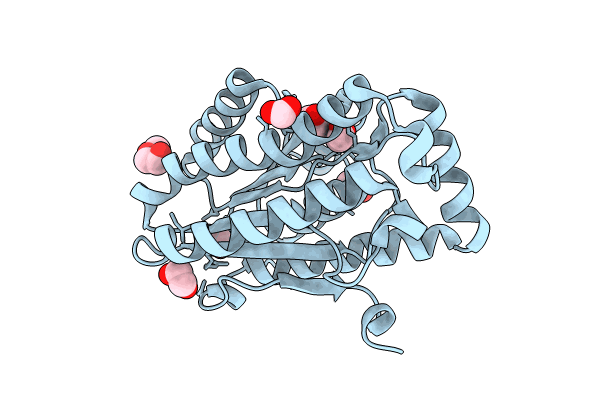
8R0D image
Deposition Date 2023-10-31
Release Date 2024-10-09
Last Version Date 2026-09-23
Entry Detail
PDB ID:
8R0D
Keywords:
Title:
Crystal structure of Borneoldehydrogenase ancestor N39
Biological Source:
Source Organism(s):
Method Details:
Experimental Method:
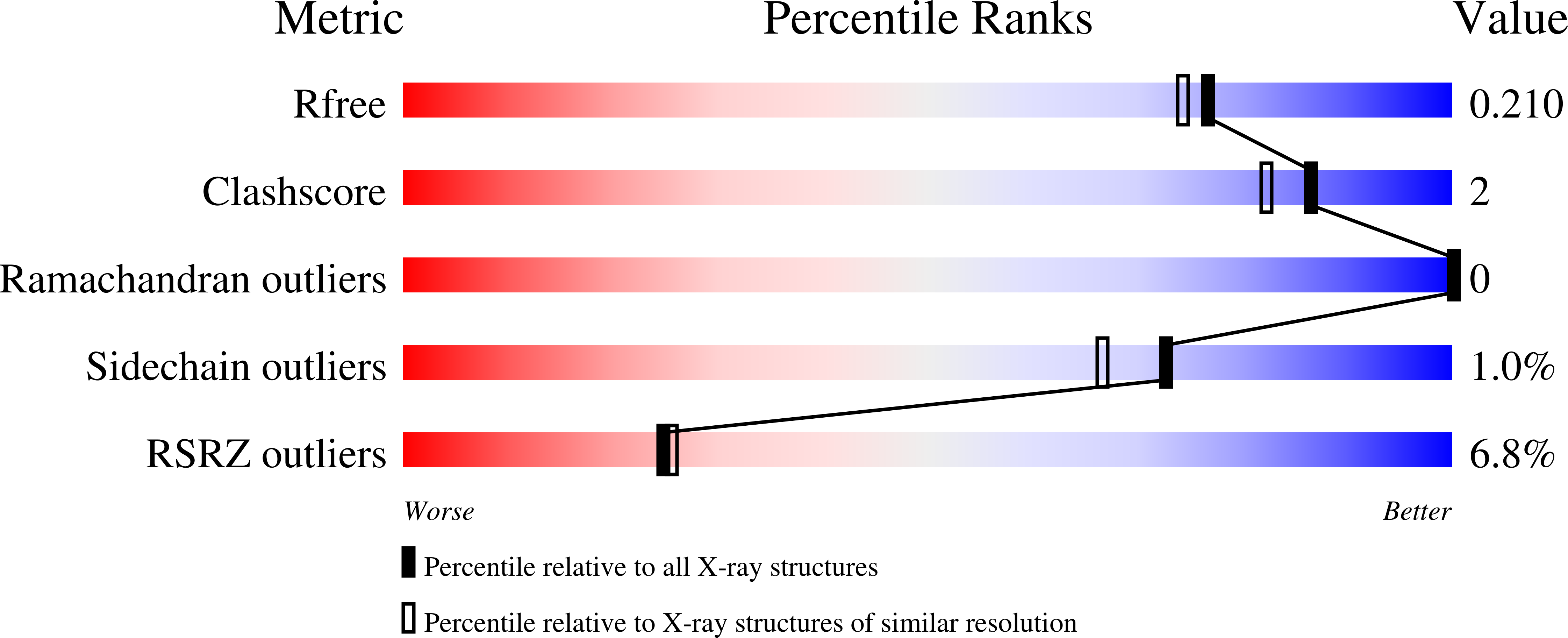
Resolution:
1.85 Å
R-Value Free:
0.20
R-Value Work:
0.17
R-Value Observed:
0.17
Space Group:
I 2 2 2
Macromolecular Entities
Polymer Type:polypeptide(L)
Molecule:Borneoldehydrogenase
Chain IDs:A
Chain Length:0
Number of Molecules:1
Biological Source:synthetic construct
Primary Citation
Deciphering the evolutionary origin of the enantioselectivity of short-chain dehydrogenases from plants toward 1-borneol.
Nat Commun 17 ? ? (2026)
PMID: 42744776 DOI: 10.1038/s41467-026-76435-1

Abstact

Enzyme engineering has produced numerous methods to optimize enzymes for biotechnological processes; however, less is known about how natural evolution creates new functionalities. We investigate the evolutionary emergence of enantioselectivity in plant borneol dehydrogenases, which feature hydrophobic active-sites and are enantioselective towards dibornane-type monoterpenols. Ancestral sequence reconstruction provided a trajectory from the oldest unselective ancestor N30 (E = 12) toward a more recent selective ancestor N32, involving 19 mutations: 18 mutations are peripheral, one (I111L) occurs in the active-site. The mutation L111I in the hydrophobic pocket increased the selectivity of N30, while the back-mutation I111L decreased the selectivity of N32. Additional peripheral mutations (V136L/G169A/V183I) were required for high selectivity. Crystal structures suggested that protein dynamics rather than structural changes shape these catalytic properties; this was confirmed by Machine Learning/Molecular Mechanics simulations of ligand binding. Funnel-metadynamics simulations revealed a correlation between the active-site's solvent-accessible surface area and selectivity. This potential evolutionary pathway shapes enantioselectivity, and guides future enzyme engineering campaigns.

Legend

Protein

Chemical

Disease

Primary Citation of related structures
Feedback Form
Name
Email
Institute
Feedback