

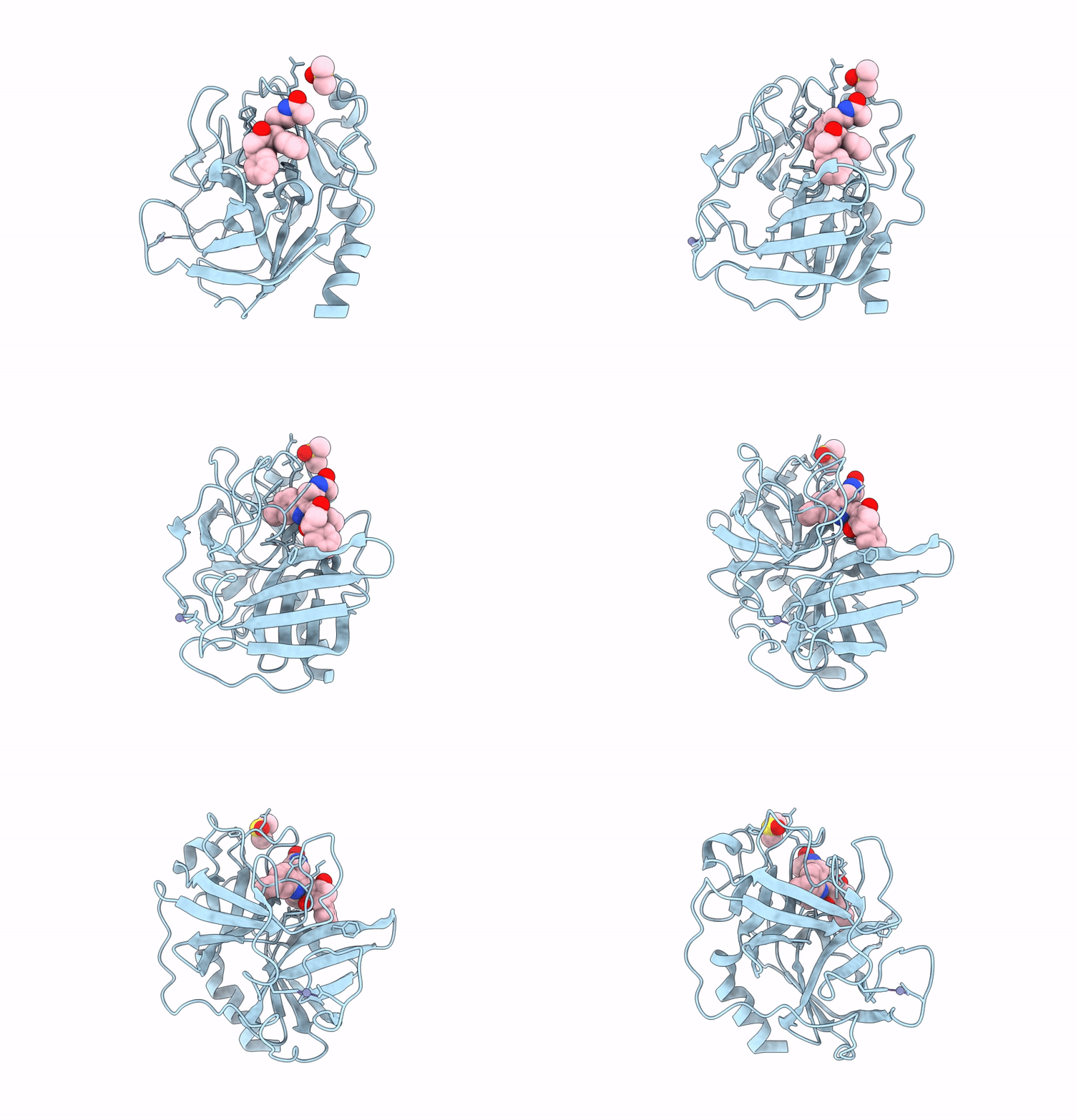
7H61 image
Deposition Date 2024-04-19
Release Date 2025-03-05
Last Version Date 2026-03-04
Entry Detail
PDB ID:
7H61
Keywords:
Title:
THE 1.76 A CRYSTAL STRUCTURE OF HUMAN CHYMASE IN COMPLEX WITH N-[2-[6-ethyl-2-[(2-hydroxy-5-oxo-3-phenylcyclopenten-1-yl)-phenylmethyl]-1H-indol-3-yl]ethyl]acetamide
Biological Source:
Source Organism(s):
Homo sapiens (Taxon ID: 9606)
Expression System(s):
Method Details:
Experimental Method:
Resolution:
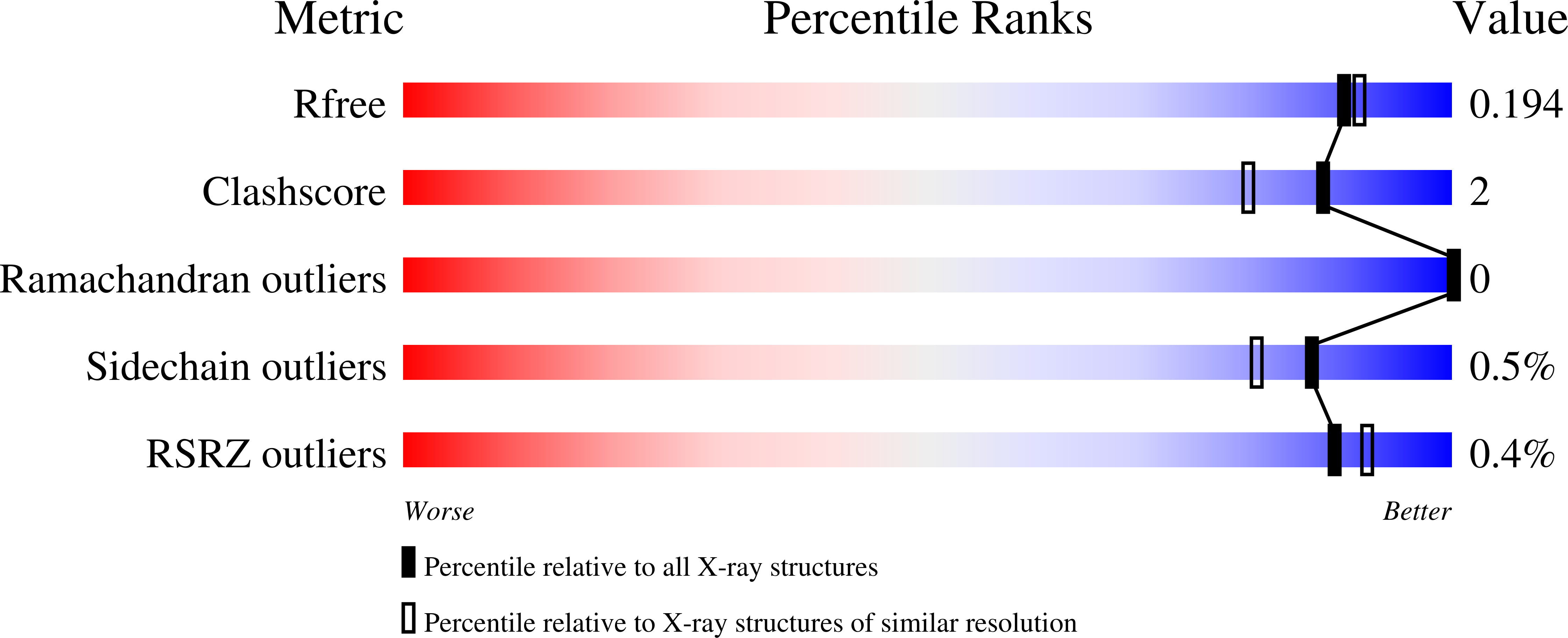
1.74 Å
R-Value Free:
0.18
R-Value Work:
0.15
R-Value Observed:
0.15
Space Group:
P 43
Macromolecular Entities
Structures with similar UniProt ID
Protein Blast
Polymer Type:polypeptide(L)
Molecule:Chymase
Gene (Uniprot):CMA1
Mutagens:C28S, F135K
Chain IDs:A
Chain Length:226
Number of Molecules:1
Biological Source:Homo sapiens
Primary Citation
The CASP 16 Experimental Protein-Ligand Datasets.
Proteins 94 79 85 (2026)
PMID: 41040057 DOI: 10.1002/prot.70053

Abstact

This paper presents the experimental protein-ligand datasets used as benchmarks in the CASP 16 blind prediction experiment-the first CASP round to incorporate targets from pharmaceutical discovery projects. We have assembled and characterized protein-ligand complexes for four proteins that are known or candidate drug targets: human chymase, human cathepsin G, human autotaxin, and the SARS-CoV-2 main protease. The collection encompasses over 200 co-crystal structures at resolutions better than 2.7 A, paired with binding affinity measurements for approximately 160 compounds covering a broad affinity range (nanomolar to high micromolar). These data enabled the CASP16 pose-prediction and affinity-prediction challenges. Many systems feature potentially challenging characteristics, including chymase's electropositive surface and acidic ligands, which require proper handling of titratable ligand groups; autotaxin complexes with and without zinc coordination; and a SARS-CoV-2 protease crystal form exhibiting an unusually open active site conformation. We describe the experimental approaches-from protein production and crystallization to binding assay development-that yielded these reference data. Contributed by scientists at F. Hoffmann-La Roche and Idorsia Pharmaceuticals, these datasets represent actual drug discovery projects and therefore provide a realistic testbed for assessing how computational methods perform on pharmaceutically relevant targets. An accompanying paper in the present special journal issue provides a comprehensive assessment of the pose and affinity predictions for these pharmaceutical protein-ligand systems.

Legend

Protein

Chemical

Disease

Primary Citation of related structures
Feedback Form
Name
Email
Institute
Feedback