

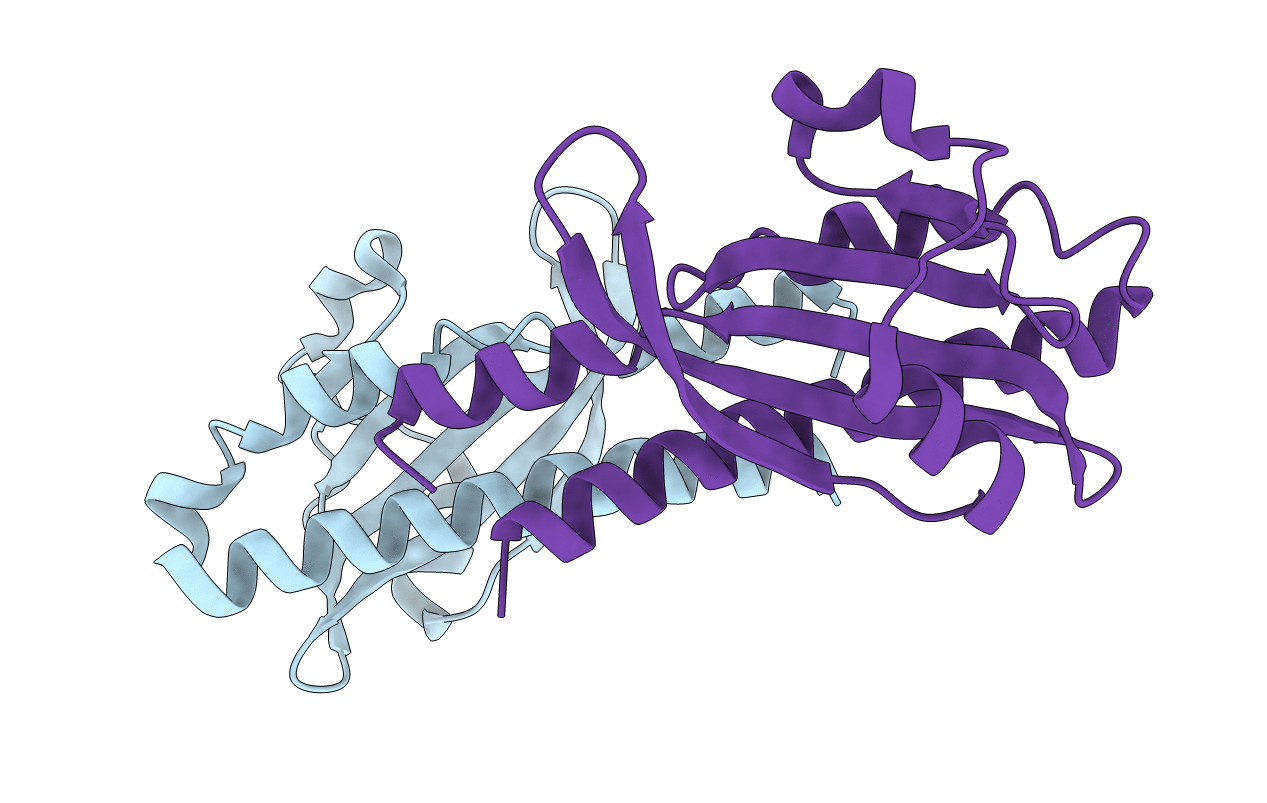
7DUD image
Deposition Date 2021-01-08
Release Date 2022-01-19
Last Version Date 2026-06-03
Entry Detail
PDB ID:
7DUD
Keywords:
Title:
Crystal Structure of erWalK
Biological Source:
Source Organism(s):
Expression System(s):
Method Details:
Experimental Method:
Resolution:
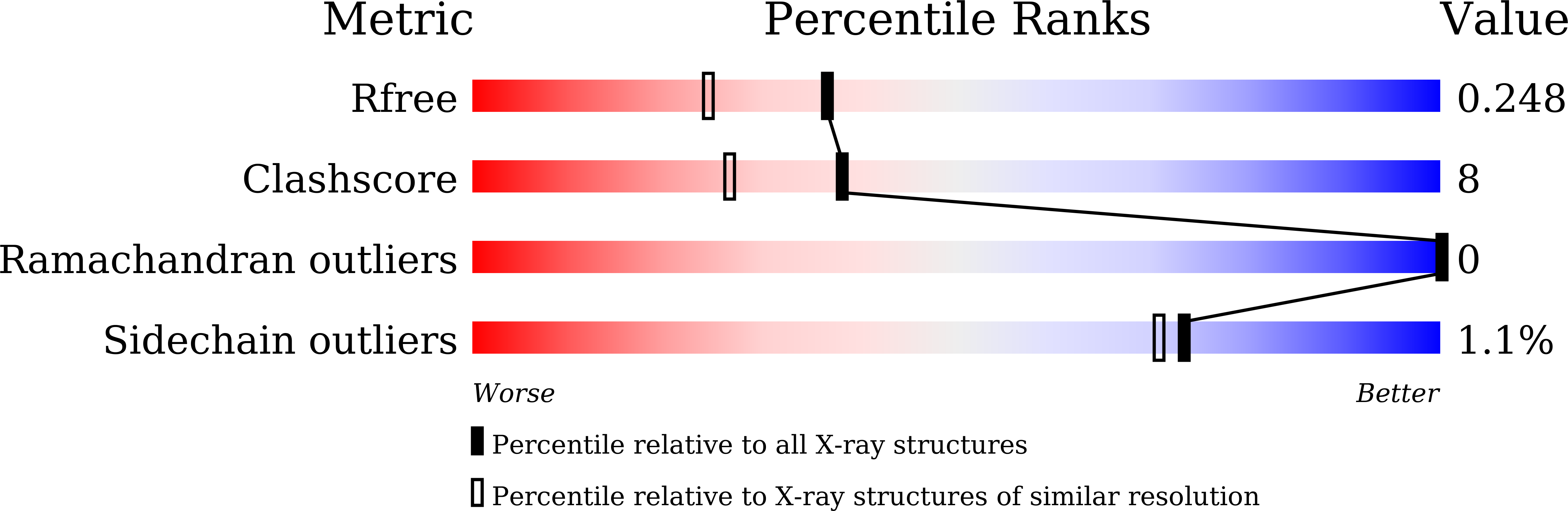
1.95 Å
R-Value Free:
0.24
R-Value Work:
0.22
R-Value Observed:
0.22
Space Group:
P 32
Macromolecular Entities
Structures with similar UniProt ID
Protein Blast
Polymer Type:polypeptide(L)
Molecule:Sensor protein kinase WalK
Chain IDs:A, B
Chain Length:149
Number of Molecules:2
Biological Source:Staphylococcus aureus
Primary Citation
Asymmetric total synthesis of polycyclic xanthenes and discovery of a WalK activator active against MRSA.
Nat Commun 15 5879 5879 (2024)
PMID: 38997253 DOI: 10.1038/s41467-024-49629-8

Abstact

The development of new antibiotics continues to pose challenges, particularly considering the growing threat of multidrug-resistant Staphylococcus aureus. Structurally diverse natural products provide a promising source of antibiotics. Herein, we outline a concise approach for the collective asymmetric total synthesis of polycyclic xanthene myrtucommulone D and five related congeners. The strategy involves rapid assembly of the challenging benzopyrano[2,3-a]xanthene core, highly diastereoselective establishment of three contiguous stereocenters through a retro-hemiketalization/double Michael cascade reaction, and a Mitsunobu-mediated chiral resolution approach with high optical purity and broad substrate scope. Quantum mechanical calculations provide insight into stereoselective construction mechanism of the three contiguous stereocenters. Additionally, this work leads to the discovery of an antibacterial agent against both drug-sensitive and drug-resistant S. aureus. This compound operates through a unique mechanism that promotes bacterial autolysis by activating the two-component sensory histidine kinase WalK. Our research holds potential for future antibacterial drug development.

Legend

Protein

Chemical

Disease

Primary Citation of related structures
Feedback Form
Name
Email
Institute
Feedback