

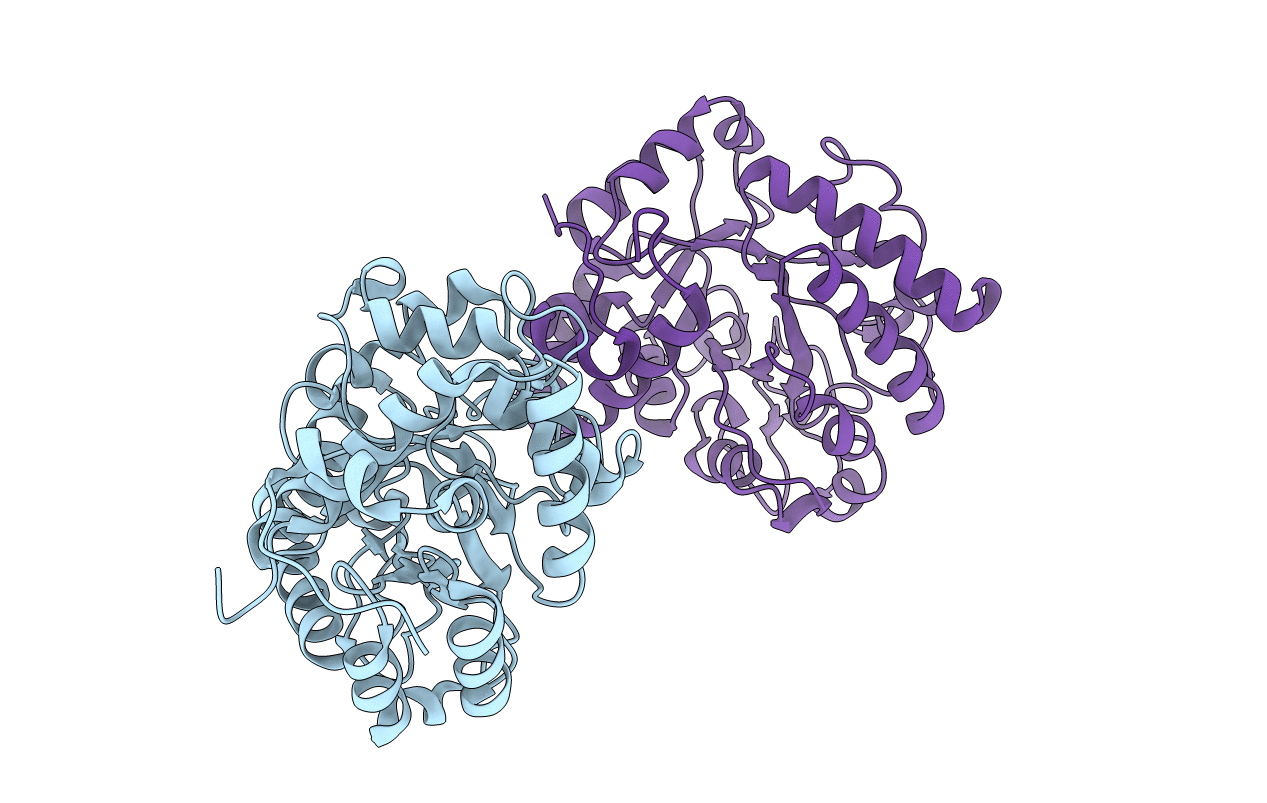
6GFV image
Deposition Date 2018-05-02
Release Date 2019-05-15
Last Version Date 2024-11-13
Entry Detail
PDB ID:
6GFV
Title:
M tuberculosis LpqI
Biological Source:
Source Organism(s):
Expression System(s):
Method Details:
Experimental Method:
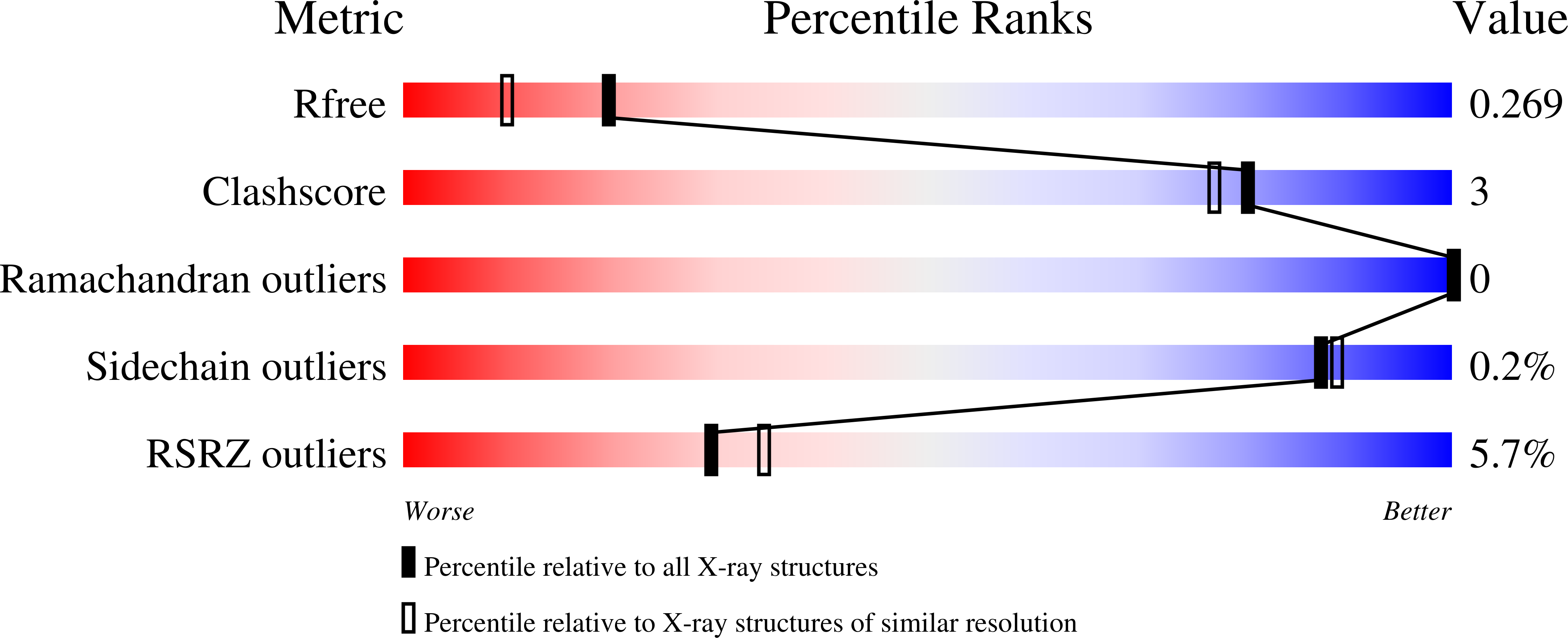
Resolution:
1.96 Å
R-Value Free:
0.26
R-Value Work:
0.21
R-Value Observed:
0.21
Space Group:
C 1 2 1
Macromolecular Entities
Polymer Type:polypeptide(L)
Molecule:Probable conserved lipoprotei
Gene (Uniprot):lpqI
Chain IDs:A, B
Chain Length:343
Number of Molecules:2
Biological Source:Mycobacterium tuberculosis H37Rv
Primary Citation
The hydrolase LpqI primes mycobacterial peptidoglycan recycling.
Nat Commun 10 2647 2647 (2019)
PMID: 31201321 DOI: 10.1038/s41467-019-10586-2

Abstact

Growth and division by most bacteria requires remodelling and cleavage of their cell wall. A byproduct of this process is the generation of free peptidoglycan (PG) fragments known as muropeptides, which are recycled in many model organisms. Bacteria and hosts can harness the unique nature of muropeptides as a signal for cell wall damage and infection, respectively. Despite this critical role for muropeptides, it has long been thought that pathogenic mycobacteria such as Mycobacterium tuberculosis do not recycle their PG. Herein we show that M. tuberculosis and Mycobacterium bovis BCG are able to recycle components of their PG. We demonstrate that the core mycobacterial gene lpqI, encodes an authentic NagZ β-N-acetylglucosaminidase and that it is essential for PG-derived amino sugar recycling via an unusual pathway. Together these data provide a critical first step in understanding how mycobacteria recycle their peptidoglycan.

Legend

Protein

Chemical

Disease

Primary Citation of related structures
Feedback Form
Name
Email
Institute
Feedback