

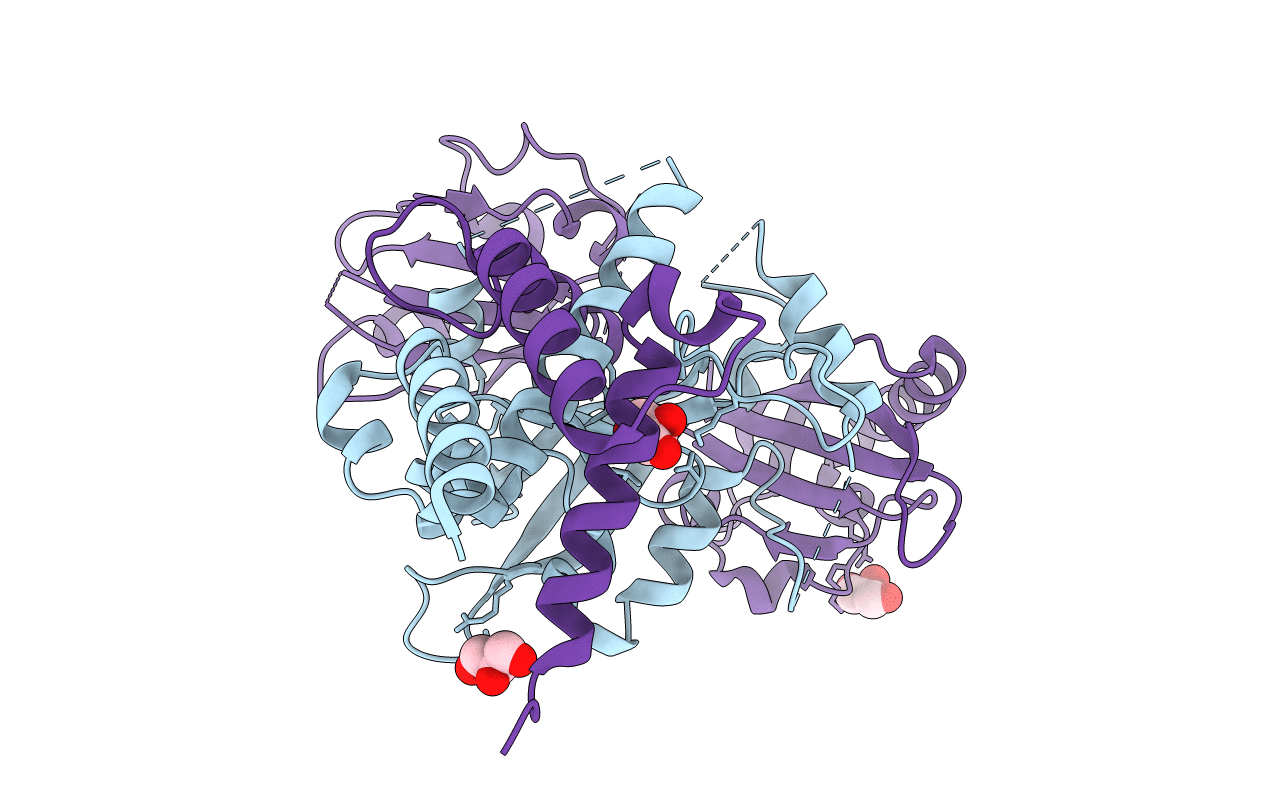
5Y7Y image
Deposition Date 2017-08-18
Release Date 2017-09-20
Last Version Date 2024-03-27
Entry Detail
PDB ID:
5Y7Y
Keywords:
Title:
Crystal structure of AhRR/ARNT complex
Biological Source:
Source Organism(s):
Homo sapiens (Taxon ID: 9606)
Bos taurus (Taxon ID: 9913)
Expression System(s):
Method Details:
Experimental Method:
Resolution:
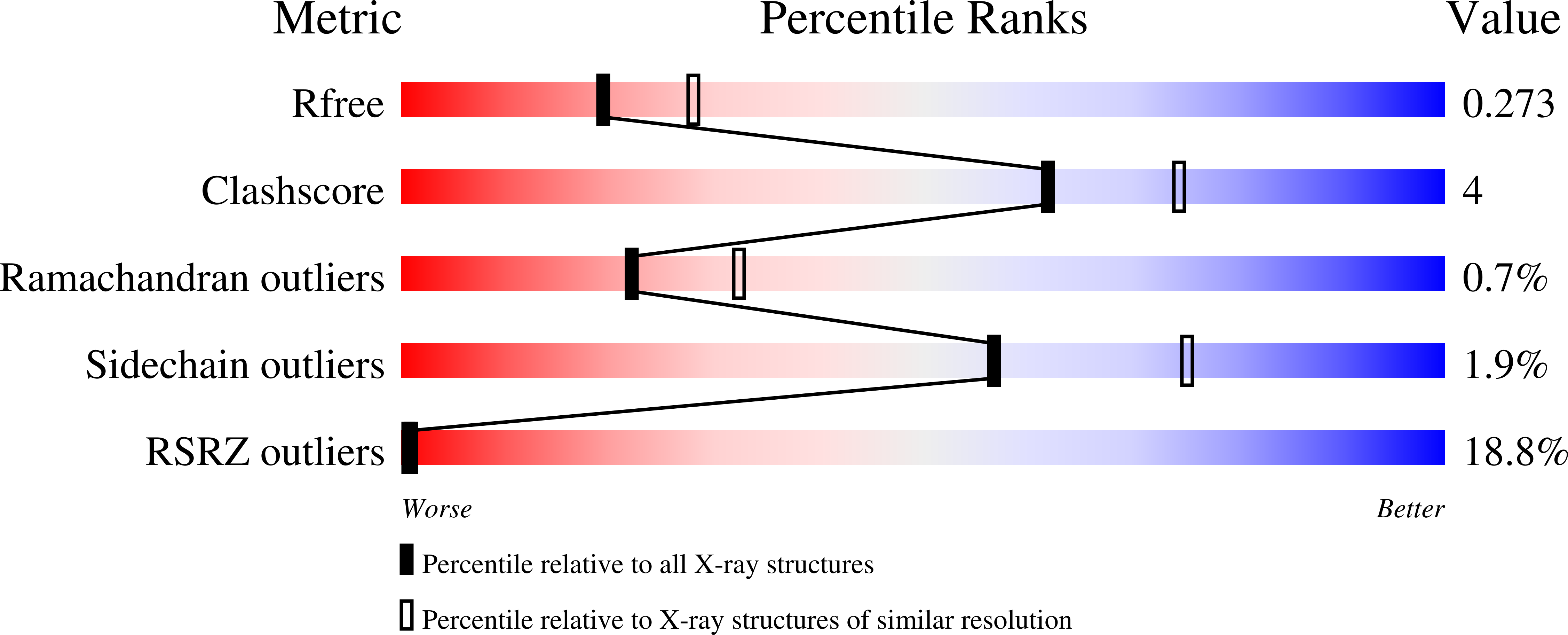
2.40 Å
R-Value Free:
0.26
R-Value Work:
0.23
R-Value Observed:
0.23
Space Group:
P 41
Macromolecular Entities
Structures with similar UniProt ID
Protein Blast
Polymer Type:polypeptide(L)
Molecule:Aryl hydrocarbon receptor rep
Gene (Uniprot):AHRR
Chain IDs:A
Chain Length:258
Number of Molecules:1
Biological Source:Homo sapiens
Structures with similar UniProt ID
Protein Blast
Polymer Type:polypeptide(L)
Molecule:Aryl hydrocarbon receptor nuc
Gene (Uniprot):ARNT
Mutagens:deletions 148-153,231-256,272-300,313-331
Chain IDs:B
Chain Length:311
Number of Molecules:1
Biological Source:Bos taurus
Ligand Molecules
Primary Citation
The crystal structure of the AhRR-ARNT heterodimer reveals the structural basis of the repression of AhR-mediated transcription.
J. Biol. Chem. 292 17609 17616 (2017)
PMID: 28904176 DOI: 10.1074/jbc.M117.812974

Abstact

2,3,7,8-Tetrachlorodibenzo-p-dioxin and related compounds are extraordinarily potent environmental toxic pollutants. Most of the 2,3,7,8-tetrachlorodibenzo-p-dioxin toxicities are mediated by aryl hydrocarbon receptor (AhR), a ligand-dependent transcription factor belonging to the basic helix-loop-helix (bHLH) Per-ARNT-Sim (PAS) family. Upon ligand binding, AhR forms a heterodimer with AhR nuclear translocator (ARNT) and induces the expression of genes involved in various biological responses. One of the genes induced by AhR encodes AhR repressor (AhRR), which also forms a heterodimer with ARNT and represses the activation of AhR-dependent transcription. The control of AhR activation is critical for managing AhR-mediated diseases, but the mechanisms by which AhRR represses AhR activation remain poorly understood, because of the lack of structural information. Here, we determined the structure of the AhRR-ARNT heterodimer by X-ray crystallography, which revealed an asymmetric intertwined domain organization presenting structural features that are both conserved and distinct among bHLH-PAS family members. The structures of AhRR-ARNT and AhR-ARNT were similar in the bHLH-PAS-A region, whereas the PAS-B of ARNT in the AhRR-ARNT complex exhibited a different domain arrangement in this family reported so far. The structure clearly disclosed that AhRR competitively represses AhR binding to ARNT and target DNA and further suggested the existence of an AhRR-ARNT-specific repression mechanism. This study provides a structural basis for understanding the mechanism by which AhRR represses AhR-mediated gene transcription.

Legend

Protein

Chemical

Disease

Primary Citation of related structures
Feedback Form
Name
Email
Institute
Feedback