

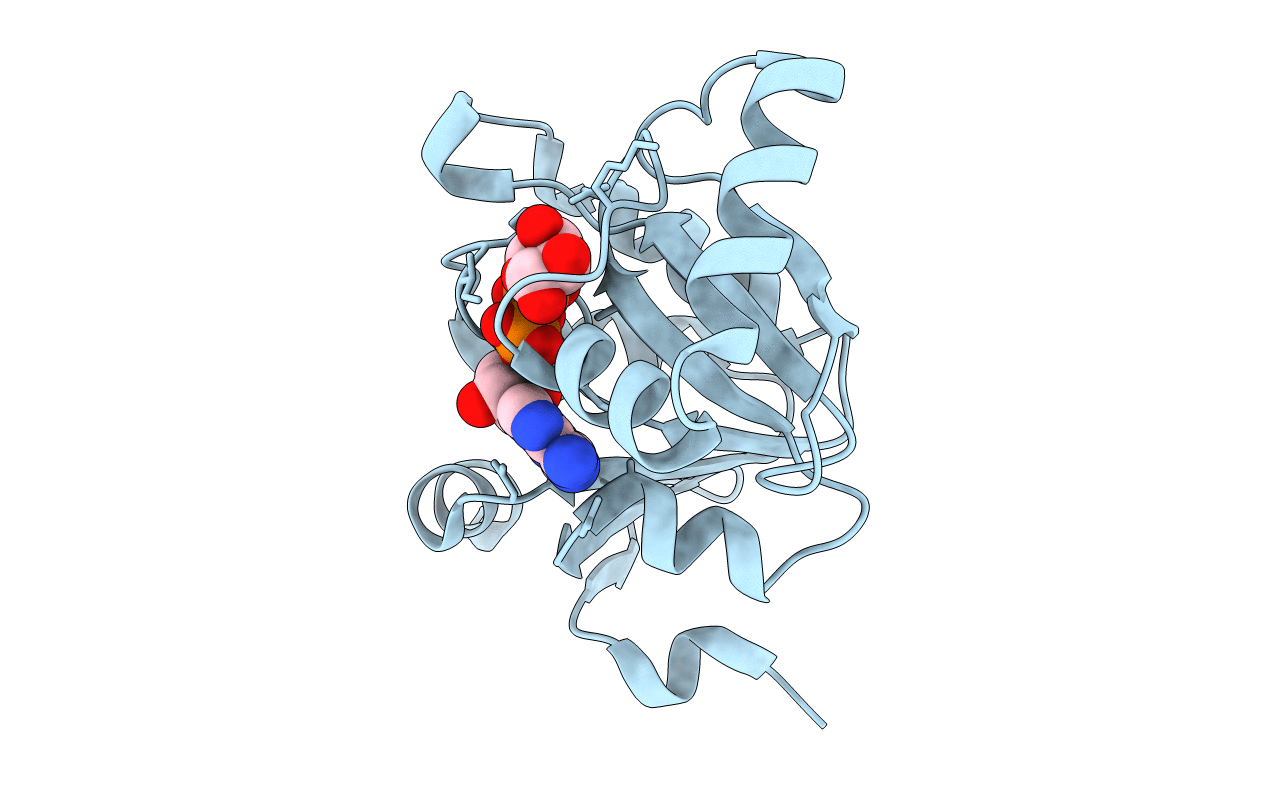
5HOL image
Deposition Date 2016-01-19
Release Date 2016-01-27
Last Version Date 2024-01-10
Entry Detail
PDB ID:
5HOL
Keywords:
Title:
The crystal structure of the MERS-CoV macro domain with ADP-ribose
Biological Source:
Expression System(s):
Method Details:
Experimental Method:
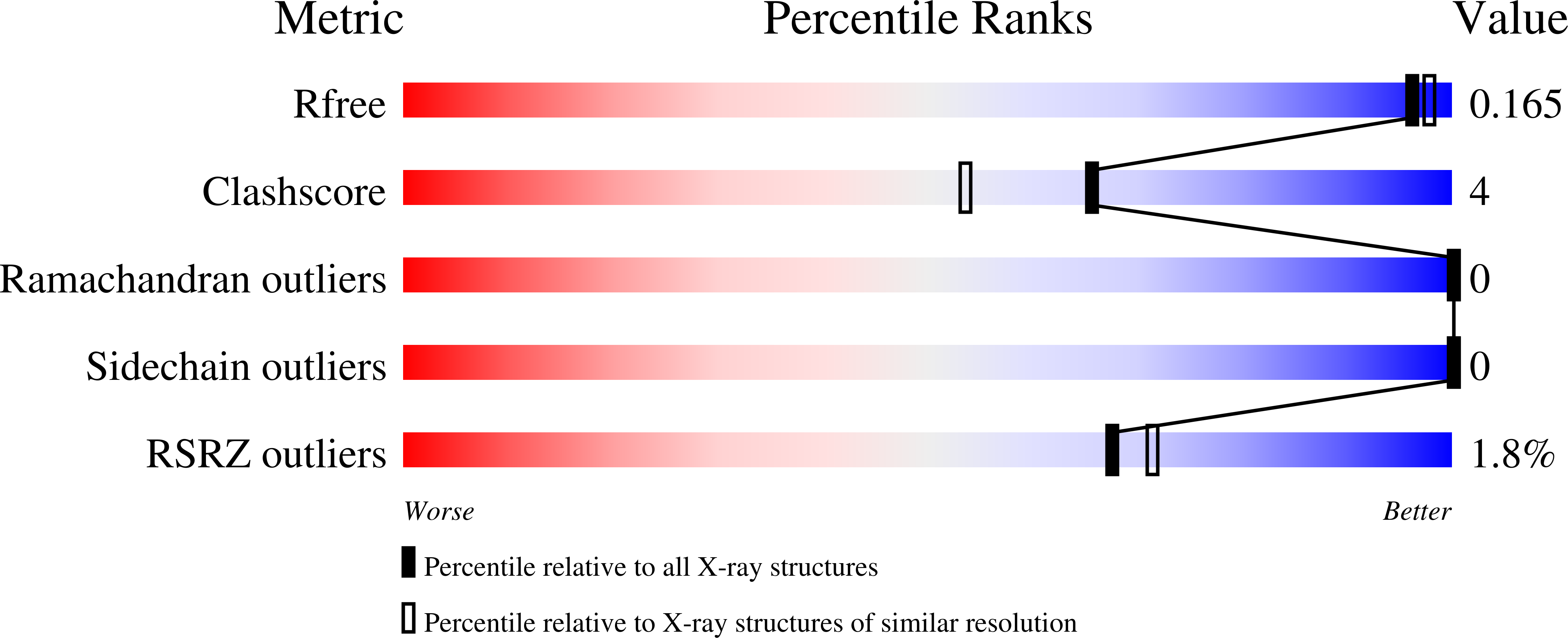
Resolution:
1.59 Å
R-Value Free:
0.16
R-Value Work:
0.14
R-Value Observed:
0.14
Space Group:
P 2 21 21
Macromolecular Entities
Polymer Type:polypeptide(L)
Molecule:ORF1a
Chain IDs:A
Chain Length:171
Number of Molecules:1
Biological Source:Middle East respiratory syndrome coronavirus
Ligand Molecules
Primary Citation
Nsp3 of coronaviruses: Structures and functions of a large multi-domain protein.
Antiviral Res. 149 58 74 (2018)
PMID: 29128390 DOI: 10.1016/j.antiviral.2017.11.001

Abstact

The multi-domain non-structural protein 3 (Nsp3) is the largest protein encoded by the coronavirus (CoV) genome, with an average molecular mass of about 200 kD. Nsp3 is an essential component of the replication/transcription complex. It comprises various domains, the organization of which differs between CoV genera, due to duplication or absence of some domains. However, eight domains of Nsp3 exist in all known CoVs: the ubiquitin-like domain 1 (Ubl1), the Glu-rich acidic domain (also called "hypervariable region"), a macrodomain (also named "X domain"), the ubiquitin-like domain 2 (Ubl2), the papain-like protease 2 (PL2pro), the Nsp3 ectodomain (3Ecto, also called "zinc-finger domain"), as well as the domains Y1 and CoV-Y of unknown functions. In addition, the two transmembrane regions, TM1 and TM2, exist in all CoVs. The three-dimensional structures of domains in the N-terminal two thirds of Nsp3 have been investigated by X-ray crystallography and/or nuclear magnetic resonance (NMR) spectroscopy since the outbreaks of Severe Acute Respiratory Syndrome coronavirus (SARS-CoV) in 2003 as well as Middle-East Respiratory Syndrome coronavirus (MERS-CoV) in 2012. In this review, the structures and functions of these domains of Nsp3 are discussed in depth.

Legend

Protein

Chemical

Disease

Primary Citation of related structures
Feedback Form
Name
Email
Institute
Feedback