

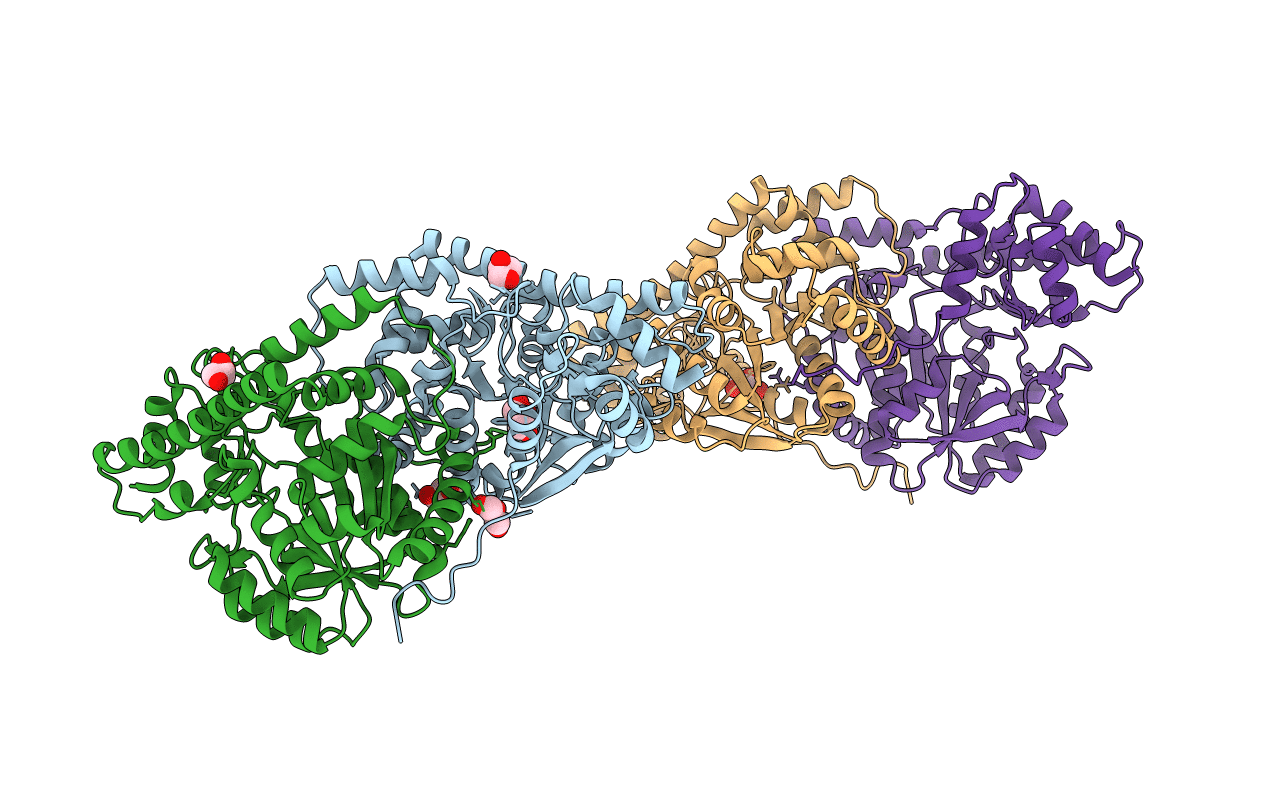
3HLM image
Deposition Date 2009-05-27
Release Date 2010-06-02
Last Version Date 2023-11-22
Entry Detail
PDB ID:
3HLM
Keywords:
Title:
Crystal Structure of Mouse Mitochondrial Aspartate Aminotransferase/Kynurenine Aminotransferase IV
Biological Source:
Source Organism(s):
Mus musculus (Taxon ID: 10090)
Expression System(s):
Method Details:
Experimental Method:
Resolution:
2.50 Å
R-Value Free:
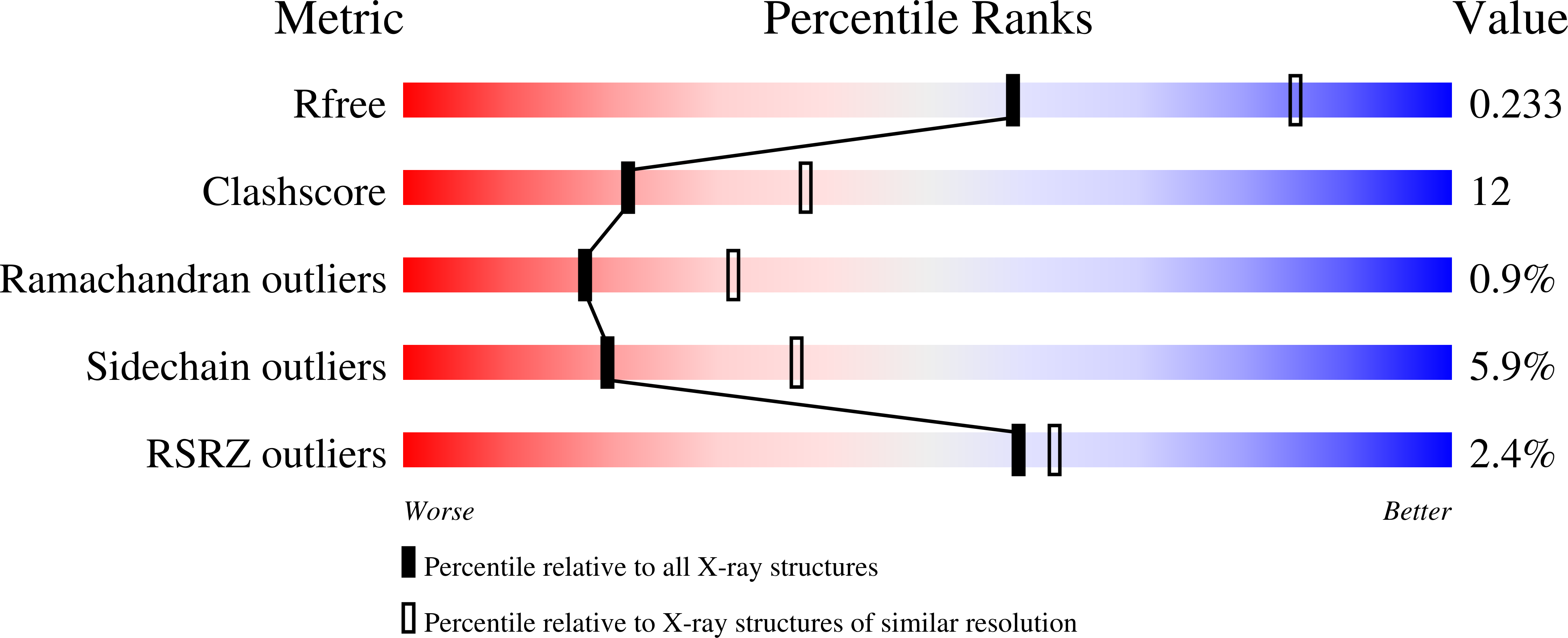
0.23
R-Value Work:
0.18
R-Value Observed:
0.18
Space Group:
P 21 21 2
Macromolecular Entities
Structures with similar UniProt ID
Protein Blast
Polymer Type:polypeptide(L)
Molecule:Aspartate aminotransferase, m
Gene (Uniprot):Got2
Chain IDs:A, B, C, D
Chain Length:401
Number of Molecules:4
Biological Source:Mus musculus
Modified Residue
Compound ID Chain ID Parent Comp ID Details 2D Image
LLP A LYS ?
Ligand Molecules
Primary Citation
Structure, expression, and function of kynurenine aminotransferases in human and rodent brains.
Cell. Mol. Life Sci. 67 353 368 (2010)
PMID: 19826765 DOI: 10.1007/s00018-009-0166-4

Abstact

Kynurenine aminotransferases (KATs) catalyze the synthesis of kynurenic acid (KYNA), an endogenous antagonist of N-methyl-D: -aspartate and alpha 7-nicotinic acetylcholine receptors. Abnormal KYNA levels in human brains are implicated in the pathophysiology of schizophrenia, Alzheimer's disease, and other neurological disorders. Four KATs have been reported in mammalian brains, KAT I/glutamine transaminase K/cysteine conjugate beta-lyase 1, KAT II/aminoadipate aminotransferase, KAT III/cysteine conjugate beta-lyase 2, and KAT IV/glutamic-oxaloacetic transaminase 2/mitochondrial aspartate aminotransferase. KAT II has a striking tertiary structure in N-terminal part and forms a new subgroup in fold type I aminotransferases, which has been classified as subgroup Iepsilon. Knowledge regarding KATs is vast and complex; therefore, this review is focused on recent important progress of their gene characterization, physiological and biochemical function, and structural properties. The biochemical differences of four KATs, specific enzyme activity assays, and the structural insights into the mechanism of catalysis and inhibition of these enzymes are discussed.

Legend

Protein

Chemical

Disease

Primary Citation of related structures
Feedback Form
Name
Email
Institute
Feedback