

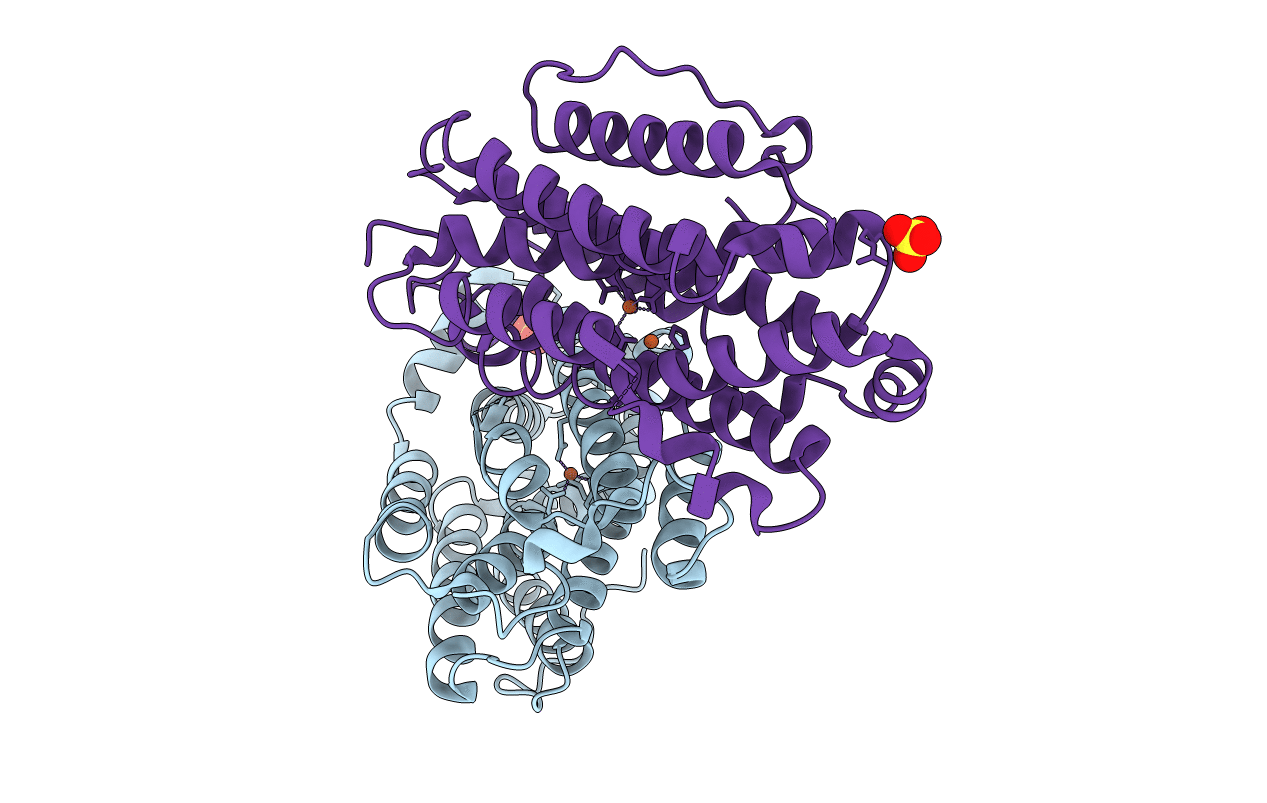
3HF1 image
Deposition Date 2009-05-10
Release Date 2009-10-13
Last Version Date 2023-09-06
Entry Detail
PDB ID:
3HF1
Keywords:
Title:
Crystal structure of human p53R2
Biological Source:
Source Organism(s):
Homo sapiens (Taxon ID: 9606)
Expression System(s):
Method Details:
Experimental Method:
Resolution:
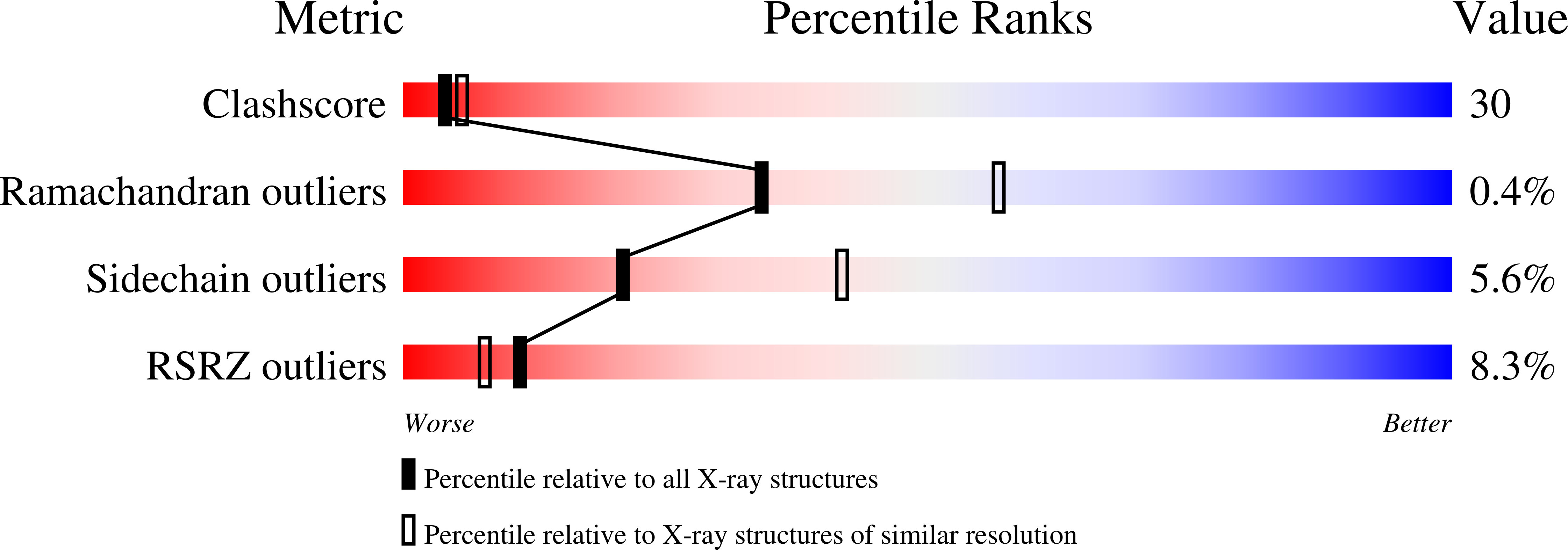
2.60 Å
R-Value Free:
0.27
R-Value Work:
0.22
R-Value Observed:
0.22
Space Group:
P 21 21 21
Macromolecular Entities
Structures with similar UniProt ID
Protein Blast
Polymer Type:polypeptide(L)
Molecule:Ribonucleoside-diphosphate re
Gene (Uniprot):RRM2B
Chain IDs:A, B
Chain Length:351
Number of Molecules:2
Biological Source:Homo sapiens
Primary Citation
2.6 A X-ray crystal structure of human p53R2, a p53-inducible ribonucleotide reductase .
Biochemistry 48 11134 11141 (2009)
PMID: 19728742 DOI: 10.1021/bi9001425

Abstact

Human p53R2 (hp53R2) is a 351-residue p53-inducible ribonucleotide reductase (RNR) small subunit. It shares >80% sequence identity with hRRM2, the small RNR subunit responsible for normal maintenance of the deoxyribonucleotide (dNTP) pool used for DNA replication, which is active during the S phase in a cell cycle-dependent fashion. But rather than cyclic dNTP synthesis, hp53R2 has been shown to supply dNTPs for DNA repair to cells in G0-G1 in a p53-dependent fashion. The first X-ray crystal structure of hp53R2 is determined to 2.6 A, in which monomers A and B exhibit mono- and binuclear iron occupancy, respectively. The pronounced structural differences at three regions between hp53R2 and hRRM2 highlight the possible regulatory role in iron assimilation and help explain previously observed physical and biochemical differences in the mobility and accessibility of the radical iron center, as well as radical transfer pathways between the two enzymes. The sequence-structure-function correlations that differentiate hp53R2 and hRRM2 are revealed for the first time. Insight gained from this structural work will be used in the identification of biological function, regulation mechanism, and inhibitor selection in RNR small subunits.

Legend

Protein

Chemical

Disease

Primary Citation of related structures
Feedback Form
Name
Email
Institute
Feedback