

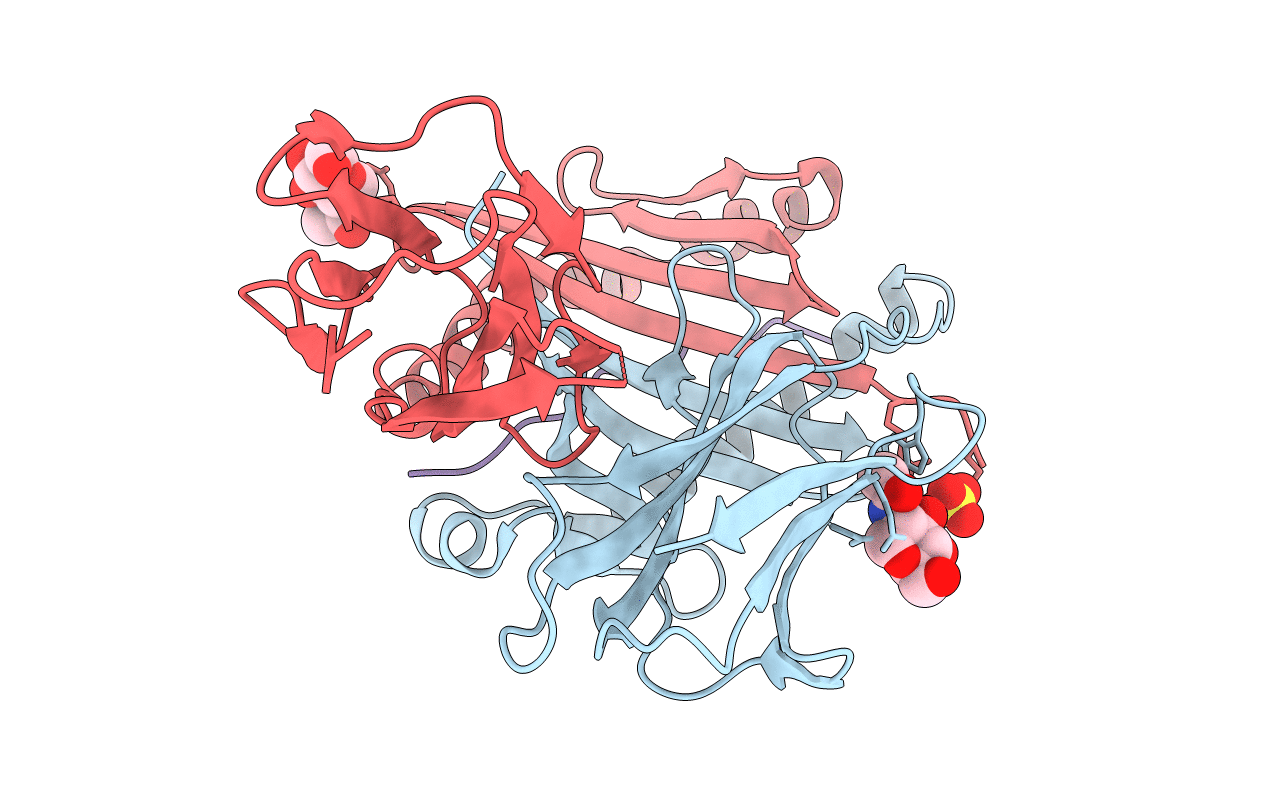
3C5J image
Deposition Date 2008-01-31
Release Date 2008-08-05
Last Version Date 2024-10-30
Entry Detail
PDB ID:
3C5J
Title:
Crystal structure of HLA DR52c
Biological Source:
Source Organism(s):
Homo sapiens (Taxon ID: 9606)
Expression System(s):
Method Details:
Experimental Method:
Resolution:
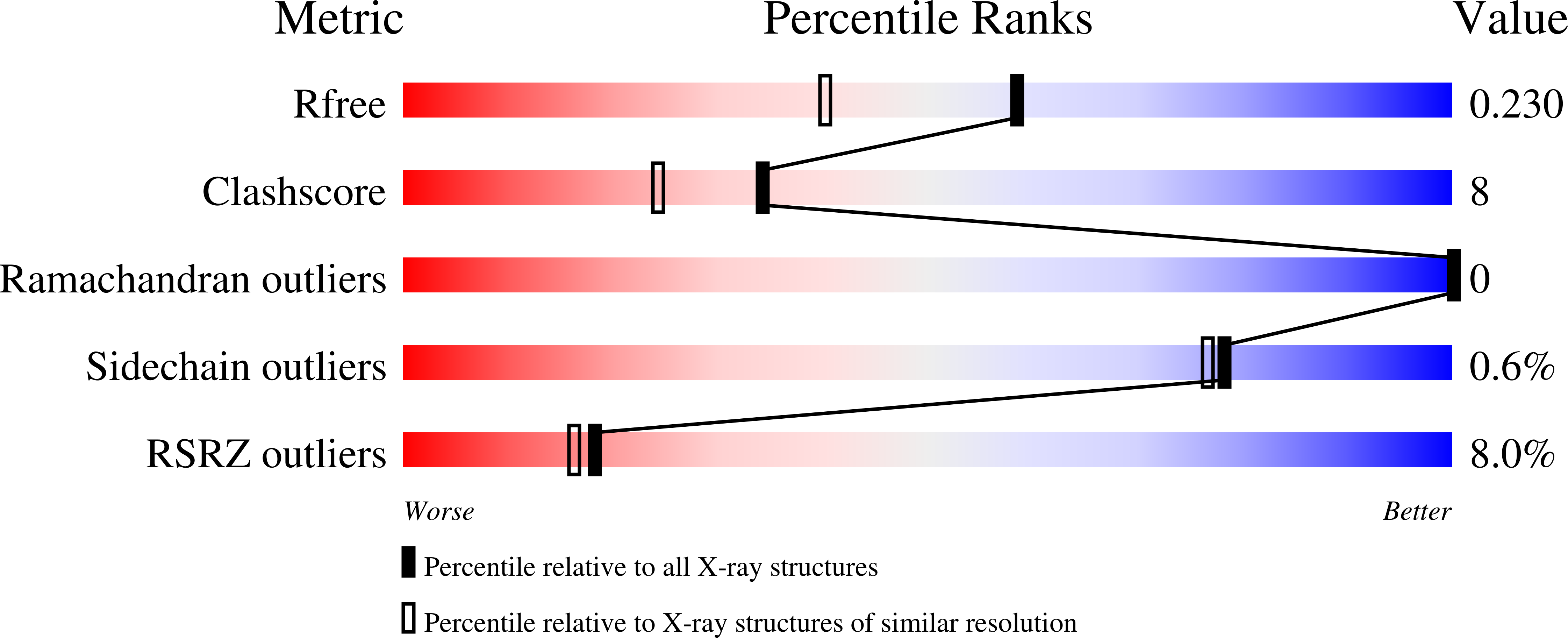
1.80 Å
R-Value Free:
0.22
R-Value Work:
0.20
Space Group:
P 43 2 2
Macromolecular Entities
Polymer Type:polypeptide(L)
Molecule:HLA class II histocompatibili
Gene (Uniprot):HLA-DRA
Chain IDs:A
Chain Length:181
Number of Molecules:1
Biological Source:Homo sapiens
Polymer Type:polypeptide(L)
Molecule:MHC class II antigen
Chain IDs:B
Chain Length:190
Number of Molecules:1
Biological Source:Homo sapiens
Structural Superimposition Protein Blast
Polymer Type:polypeptide(L)
Molecule:Elongation factor 1-alpha 2
Gene (Uniprot):EEF1A2
Chain IDs:C
Chain Length:13
Number of Molecules:1
Biological Source:Homo sapiens
Modified Residue
Compound ID Chain ID Parent Comp ID Details 2D Image
ASN A ASN GLYCOSYLATION SITE
Primary Citation
The structure of HLA-DR52c: comparison to other HLA-DRB3 alleles.
Proc. Natl. Acad. Sci. U.S.A. 105 11893 11897 (2008)
PMID: 18697946 DOI: 10.1073/pnas.0805810105

Abstact

Class II major histocompatibility complex (MHCII) molecules present antigens to CD4(+) T cells. In addition to the most commonly studied human MHCII isotype, HLA-DR, whose beta chain is encoded by the HLA-DRB1 locus, several other isotypes that use the same alpha chain but have beta chains encoded by other genes. These other DR molecules also are expressed in antigen-presenting cells and are known to participate in peptide presentation to T cells and to be recognized as alloantigens by other T cells. Like some of the HLA-DRB1 alleles, several of these alternate DR molecules have been associated with specific autoimmune diseases and T cell hypersensitivity. Here we present the structure of an HLA-DR molecule (DR52c) containing one of these alternate beta chains (HLA-DRB3*0301) bound to a self-peptide derived from the Tu elongation factor. The molecule shares structurally conserved elements with other MHC class II molecules but has some unique features in the peptide-binding groove. Comparison of the three major HLA-DBR3 alleles (DR52a, b, and c) suggests that they were derived from one another by recombination events that scrambled the four major peptide-binding pockets at peptide positions 1, 4, 6, and 9 but left virtually no polymorphisms elsewhere in the molecules.

Legend

Protein

Chemical

Disease

Primary Citation of related structures
Feedback Form
Name
Email
Institute
Feedback