

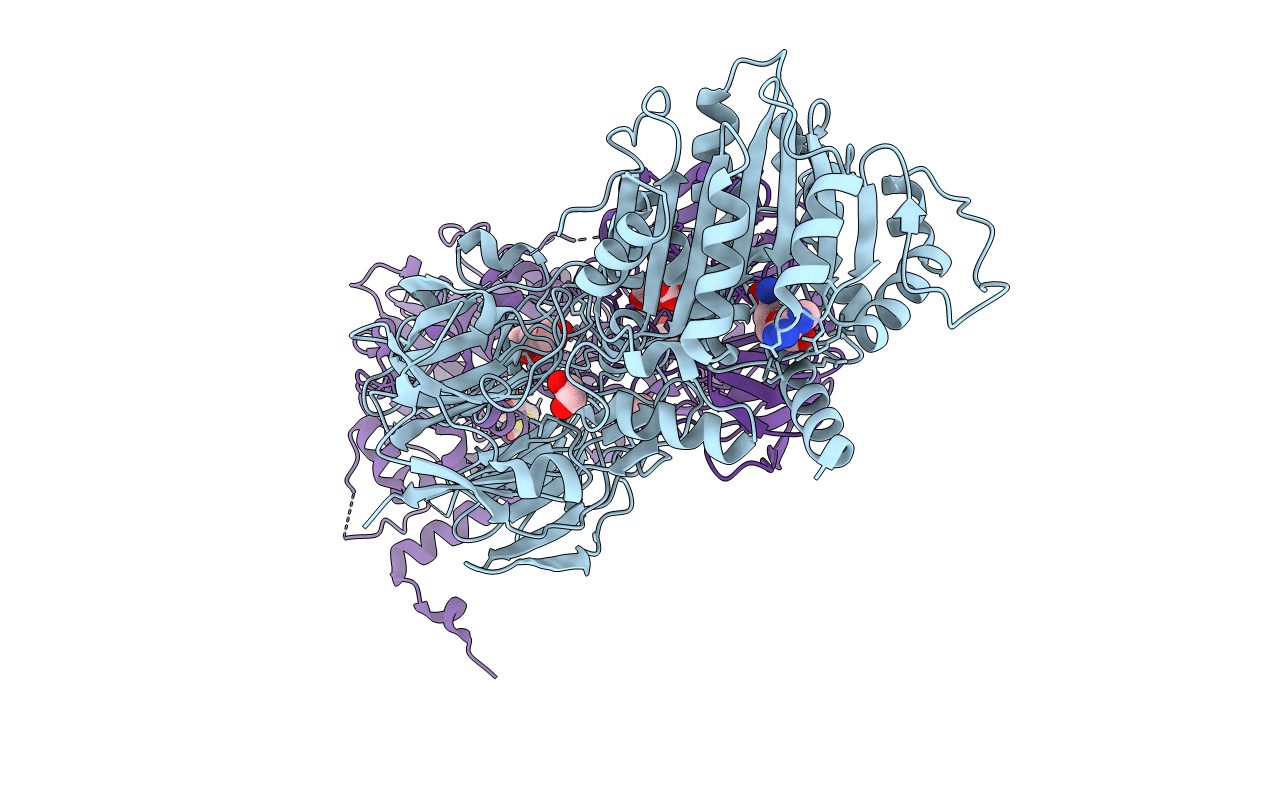
2ZWA image
Deposition Date 2008-12-01
Release Date 2009-06-02
Last Version Date 2024-03-13
Entry Detail
PDB ID:
2ZWA
Keywords:
Title:
Crystal structure of tRNA wybutosine synthesizing enzyme TYW4
Biological Source:
Source Organism(s):
Expression System(s):
Method Details:
Experimental Method:
Resolution:
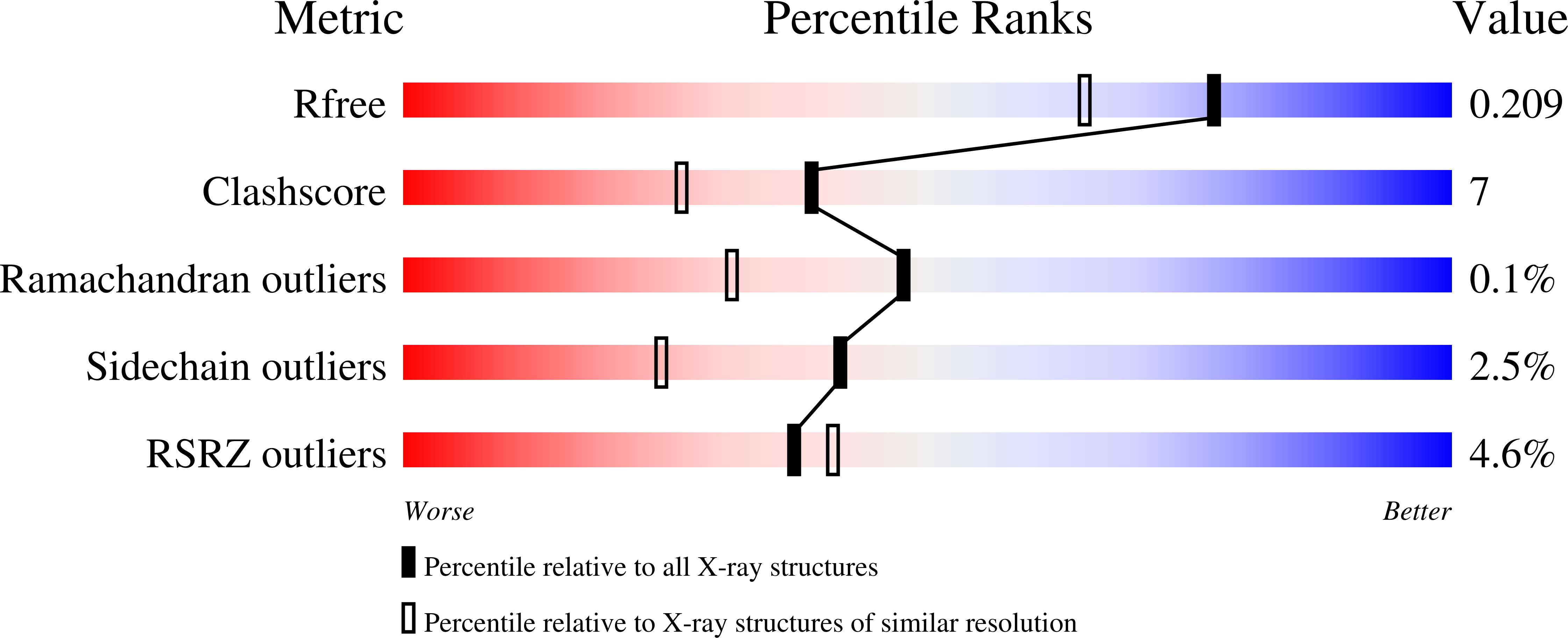
1.70 Å
R-Value Free:
0.21
R-Value Work:
0.17
R-Value Observed:
0.17
Space Group:
P 21 21 21
Macromolecular Entities
Polymer Type:polypeptide(L)
Molecule:Leucine carboxyl methyltransf
Gene (Uniprot):PPM2
Chain IDs:A, B
Chain Length:695
Number of Molecules:2
Biological Source:Saccharomyces cerevisiae
Primary Citation
Structural basis of tRNA modification with CO2 fixation and methylation by wybutosine synthesizing enzyme TYW4.
Nucleic Acids Res. 37 2910 2925 (2009)
PMID: 19287006 DOI: 10.1093/nar/gkp158

Abstact

Wybutosine (yW), one of the most complicated modified nucleosides, is found in the anticodon loop of eukaryotic phenylalanine tRNA. This hypermodified nucleoside ensures correct codon recognition by stabilizing codon-anticodon pairings during the decoding process in the ribosome. TYW4 is an S-adenosylmethionine (SAM)-dependent enzyme that catalyzes the final step of yW biosynthesis, methylation and methoxycarbonylation. However, the structural basis for the catalytic mechanism by TYW4, and especially that for the methoxycarbonylation, have remained elusive. Here we report the apo and cofactor-bound crystal structures of yeast TYW4. The structures revealed that the C-terminal domain folds into a beta-propeller structure, forming part of the binding pocket for the target nucleoside. A comparison of the apo, SAM-bound, and S-adenosylhomocysteine-bound structures of TYW4 revealed a drastic structural change upon cofactor binding, which may sequester solvent from the catalytic site during the reaction and facilitate product release after the reaction. In conjunction with the functional analysis, our results suggest that TYW4 catalyzes both methylation and methoxycarbonylation at a single catalytic site, and in the latter reaction, the methoxycarbonyl group is formed through the fixation of carbon dioxide.

Legend

Protein

Chemical

Disease

Primary Citation of related structures
Feedback Form
Name
Email
Institute
Feedback