

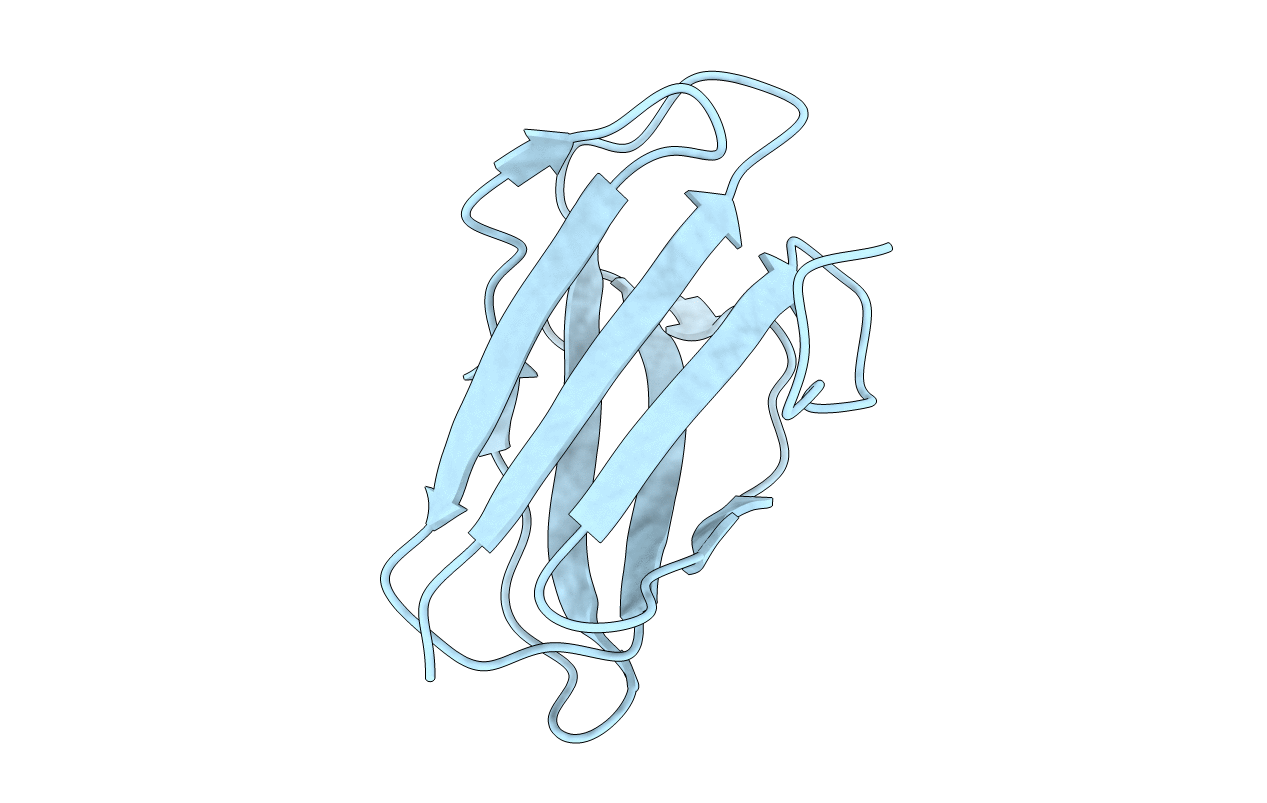
2J71 image
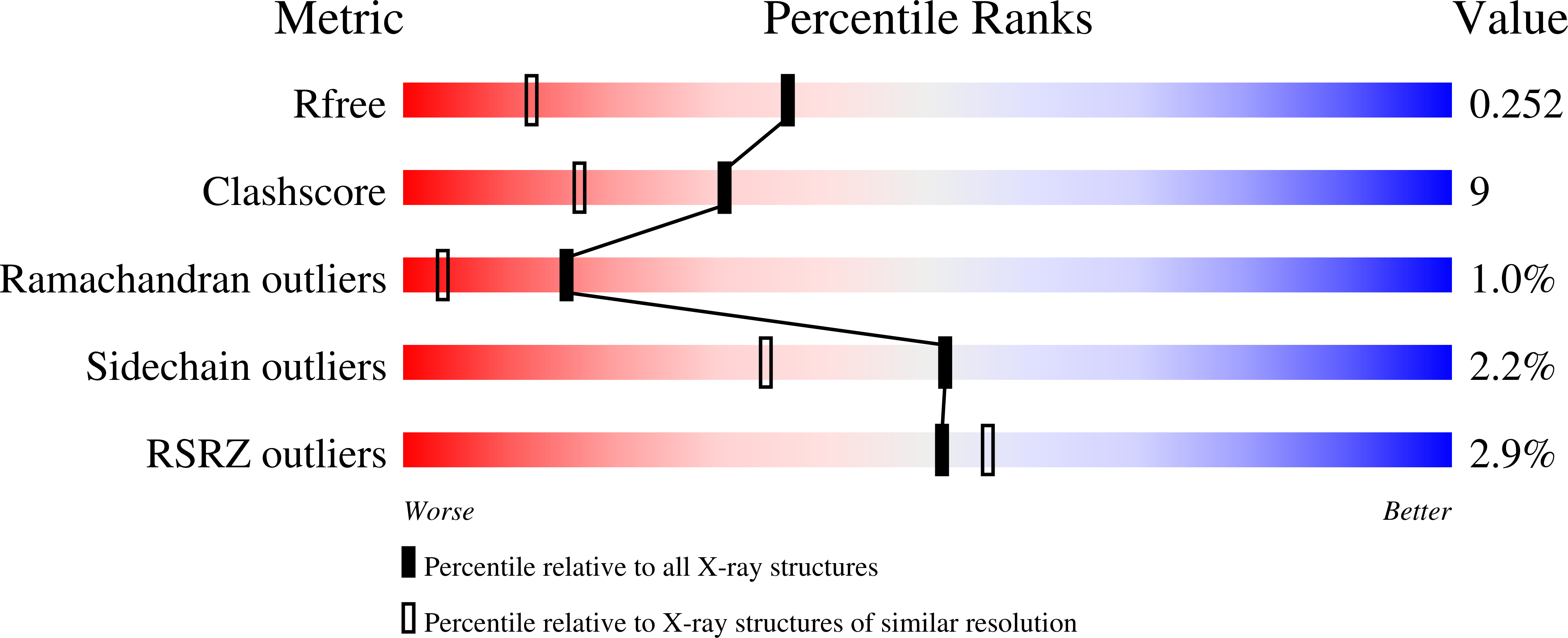
Deposition Date 2006-10-05
Release Date 2006-10-17
Last Version Date 2024-05-08
Entry Detail
PDB ID:
2J71
Keywords:
Title:
alpha-glucan recognition by a family 41 carbohydrate-binding module from Thermotoga maritima pullulanase PulA
Biological Source:
Source Organism(s):
Expression System(s):
Method Details:
Experimental Method:
Resolution:
1.69 Å
R-Value Free:
0.24
R-Value Work:
0.20
R-Value Observed:
0.20
Space Group:
H 3 2
Macromolecular Entities
Structures with similar UniProt ID
Protein Blast
Polymer Type:polypeptide(L)
Molecule:PULLULANASE
Gene (Uniprot):pulA
Chain IDs:A
Chain Length:103
Number of Molecules:1
Biological Source:THERMOTOGA MARITIMA
Primary Citation
The Structural Basis of Alpha-Glucan Recognition by a Family 41 Carbohydrate-Binding Module from Thermotoga Maritima
J. Mol. Biol. 365 555 ? (2007)
PMID: 17095014 DOI: 10.1016/J.JMB.2006.10.018

Abstact

Starch recognition by carbohydrate-binding modules (CBMs) is important for the activity of starch-degrading enzymes. The N-terminal family 41 CBM, TmCBM41 (from pullulanase PulA secreted by Thermotoga maritima) was shown to have alpha-glucan binding activity with specificity for alpha-1,4-glucans but was able to tolerate the alpha-1,6-linkages found roughly every three or four glucose units in pullulan. Using X-ray crystallography, the structures were solved for TmCBM41 in an uncomplexed form and in complex with maltotetraose and 6(3)-alpha-D-glucosyl-maltotriose (GM3). Ligand binding was facilitated by stacking interactions between the alpha-faces of the glucose residues and two tryptophan side-chains in the two main subsites of the carbohydrate-binding site. Overall, this mode of starch binding is quite well conserved by other starch-binding modules. The structure in complex with GM3 revealed a third binding subsite with the flexibility to accommodate an alpha-1,4- or an alpha-1,6-linked glucose.

Legend

Protein

Chemical

Disease

Primary Citation of related structures
Feedback Form
Name
Email
Institute
Feedback