

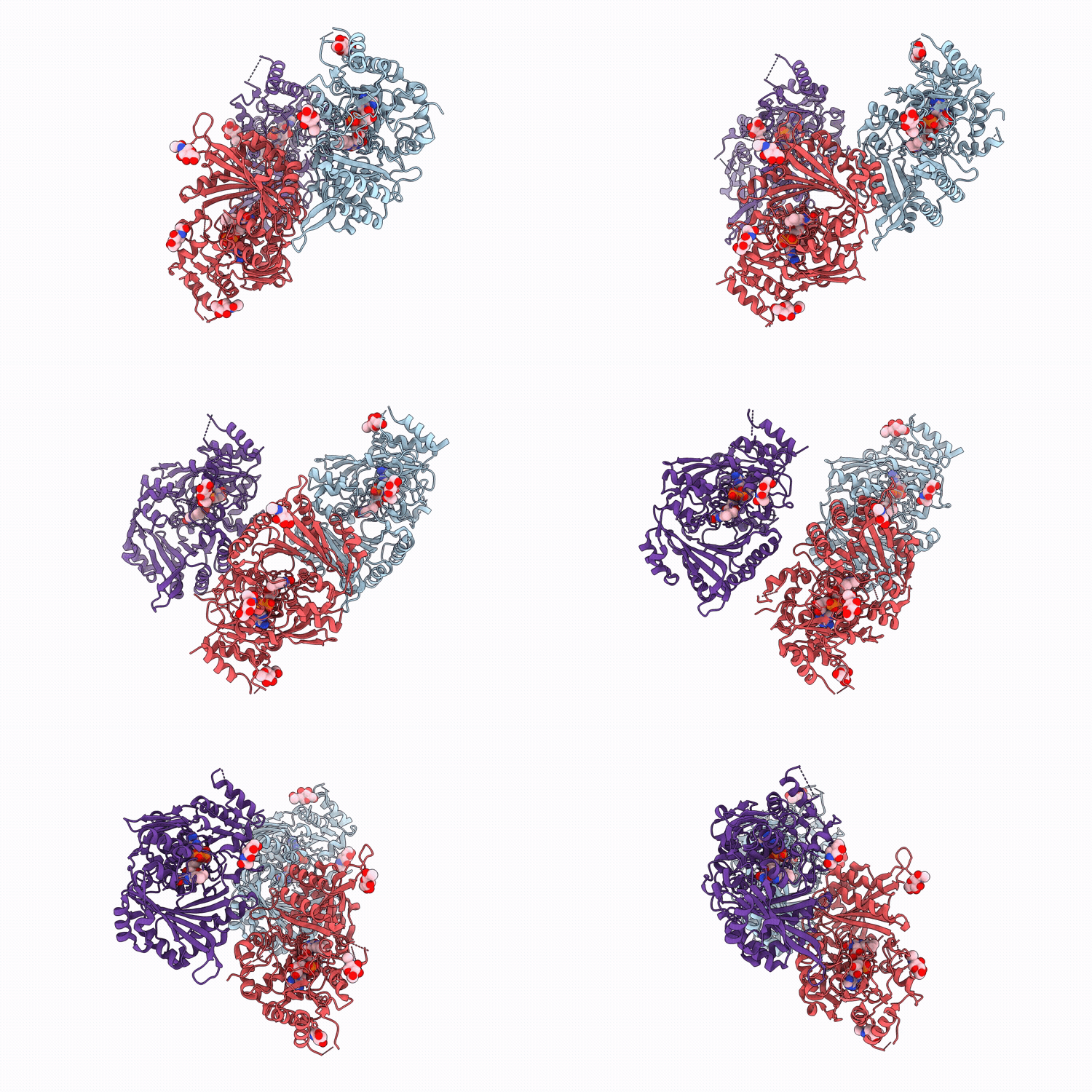
29VY image
Deposition Date 2026-04-10
Release Date 2026-07-29
Last Version Date 2026-08-05
Entry Detail
PDB ID:
29VY
Keywords:
Title:
Structure of Tetrahydrocannabinolic acid synthase(THCAS) in complex with FAD
Biological Source:
Source Organism(s):
Cannabis sativa (Taxon ID: 3483)
Expression System(s):
Method Details:
Experimental Method:
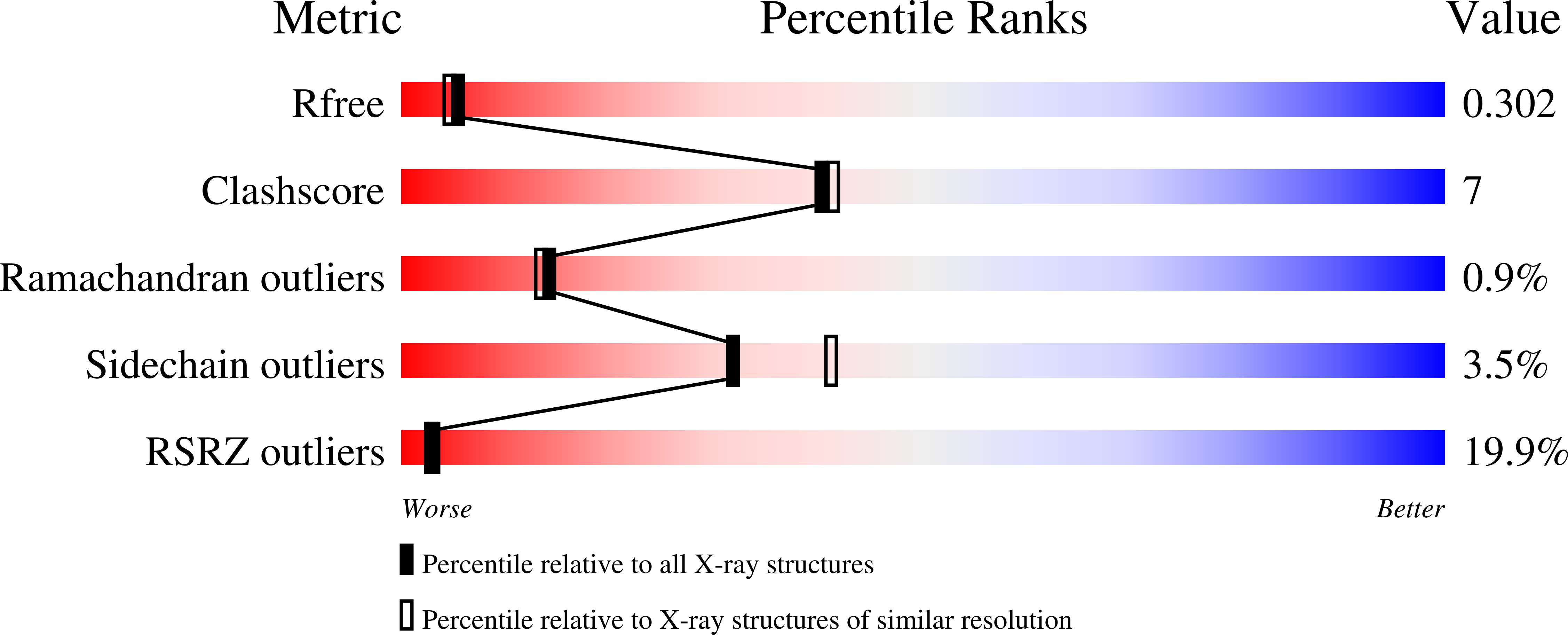
Resolution:
2.33 Å
R-Value Free:
0.30
R-Value Work:
0.24
R-Value Observed:
0.25
Space Group:
P 21 21 21
Macromolecular Entities
Polymer Type:polypeptide(L)
Molecule:Tetrahydrocannabinolic acid s
Gene (Uniprot):THCAS
Chain IDs:A, B, C
Chain Length:0
Number of Molecules:3
Biological Source:Cannabis sativa
Primary Citation
X-ray crystal structures of the cannabinoid synthases CBCAS, CBDAS and THCAS.
Curr Res Struct Biol 12 100197 100197 (2026)
PMID: 42502799 DOI: 10.1016/j.crstbi.2026.100197

Abstact

The enzymes Cannabichromenic Acid Synthase (CBCAS), Cannabidiolic Acid Synthase (CBDAS) and Tetrahydrocannabinolic Acid Synthase (THCAS) are together the major cannabinoid synthase enzymes responsible for the biosynthesis of their respective metabolites from a common precursor Cannabigerolic Acid (CBGA). As the catalysts responsible for generating biological molecules of significant pharmaceutical value, there has been considerable interest in the enzymes with respect to heterologous production, mechanism, and incorporation into synthetic biology pathways for the facile industrial production of these molecules. The enzymes share high degrees of homology, and therefore their distinct specificities are governed by very subtle differences in sequence and therefore structure, although, until now, only a structure for THCAS has been reported. In this report, we present structures of CBCAS, CBDAS and a structure of THCAS at a higher resolution than the known structure, each in complex with their flavin coenzyme FAD. The structures reveal active site differences that may be responsible for the complementary activities observed, in terms of both first-shell amino acid substitutions, but also in more remote residues that influence active site topology through referred effects, or that have effects on substrate access. The structures provide a useful and informative platform for the rational engineering of improved or altered chemoselectivity in these enzymes.

Legend

Protein

Chemical

Disease

Primary Citation of related structures
Feedback Form
Name
Email
Institute
Feedback