

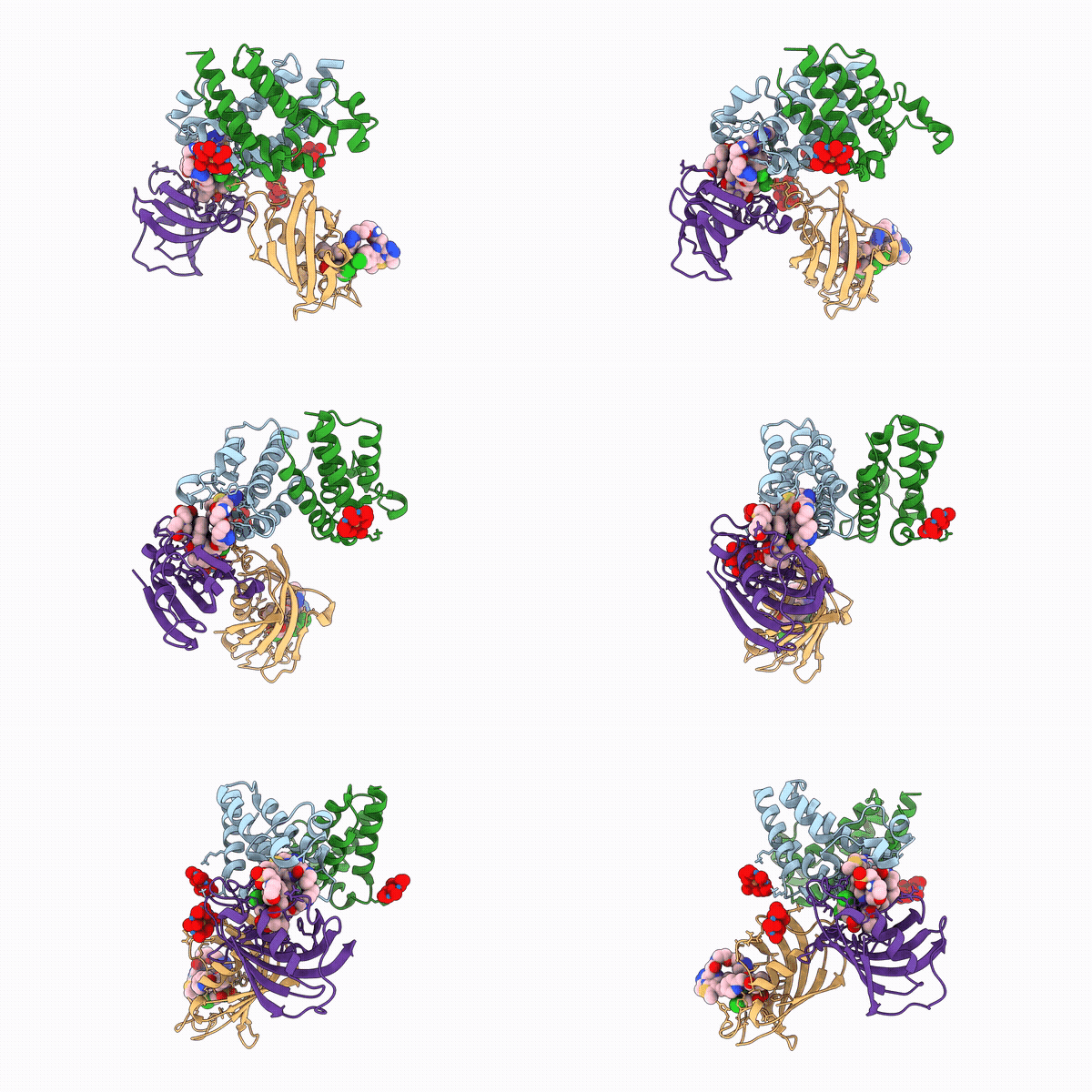
29QL image
Deposition Date 2026-03-30
Release Date 2026-09-30
Last Version Date 2026-09-30
Entry Detail
PDB ID:
29QL
Keywords:
Title:
FKBP12 in complex with bifunctional ligand a1d and the second bromodomain of BRD4
Biological Source:
Source Organism(s):
Homo sapiens (Taxon ID: 9606)
Method Details:
Experimental Method:
Resolution:
2.10 Å
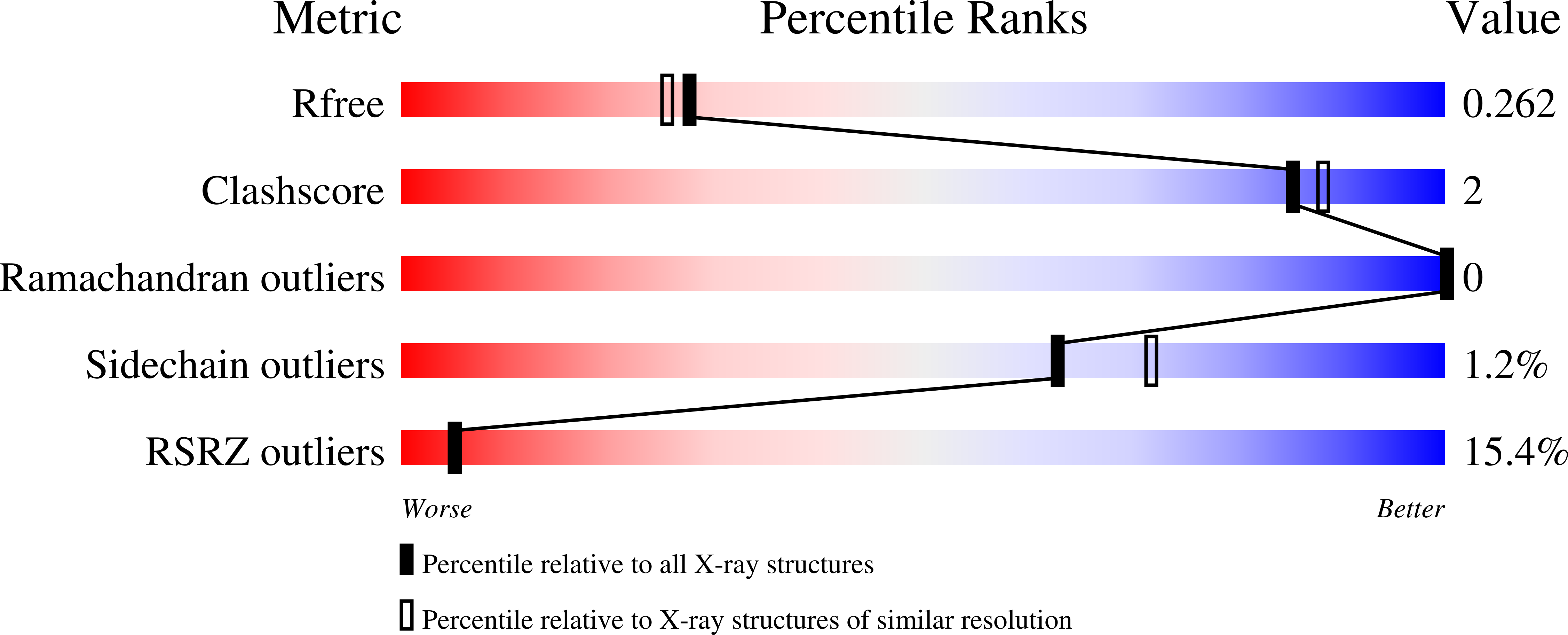
R-Value Free:
0.27
R-Value Work:
0.24
Space Group:
P 43 21 2
Macromolecular Entities
Polymer Type:polypeptide(L)
Molecule:Bromodomain-containing protei
Gene (Uniprot):BRD4
Chain IDs:A, B
Chain Length:0
Number of Molecules:2
Biological Source:Homo sapiens
Polymer Type:polypeptide(L)
Molecule:Peptidyl-prolyl cis-trans iso
Gene (Uniprot):FKBP1A
Mutagens:C23V
Chain IDs:C, D
Chain Length:0
Number of Molecules:2
Biological Source:Homo sapiens
Primary Citation

Abstact

Non-catalytic heterobifunctional protein binders promise to expand the range of therapeutic options by establishing complexes between key target proteins and accessory presenter proteins equipped with additional properties. Here, we systematically investigate the rational design of such molecules, explore the biochemical basis of complex formation and determine how they achieve cellular efficacy using the endogenously expressed immunophilin FKBP12 as presenter protein and the transcriptional regulator BRD4 as target protein. We present classes of bifunctional molecules that enable selective, FKBP12-dependent killing of specific cell types at subnanomolar concentrations and allow to differentiate between closely related bromodomains of the BET family. We propose that the strongly potentiated efficacy of these bifunctional compounds is based on cellular enrichment through binding to the highly abundant presenter protein FKBP12, a mechanism we term "CellTrap". Our findings substantiate the concept that highly expressed, non-essential proteins can be repurposed as selective recruiters to expand therapeutic windows of existing small-molecule inhibitors, opening new avenues for designing targeted drugs with improved cell-type specificity.

Legend

Protein

Chemical

Disease

Primary Citation of related structures
Feedback Form
Name
Email
Institute
Feedback