

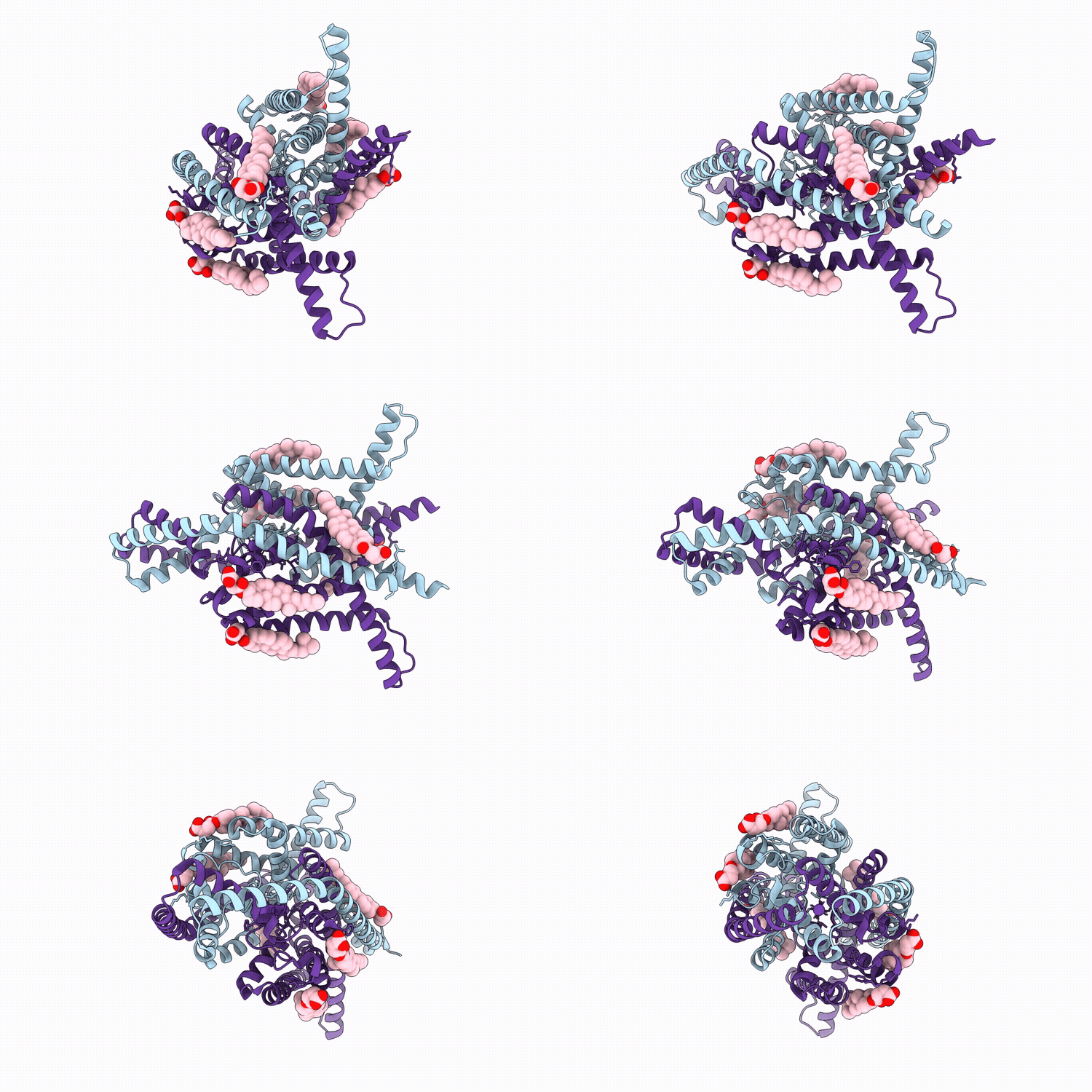
28IZ image
Deposition Date 2026-02-02
Release Date 2026-08-19
Last Version Date 2026-08-19
Entry Detail
PDB ID:
28IZ
Title:
Structure of the human two pore domain potassium ion channel TASK-3 L122V mutant (K2P9.1)
Biological Source:
Source Organism(s):
Homo sapiens (Taxon ID: 9606)
Expression System(s):
Method Details:
Experimental Method:
Resolution:
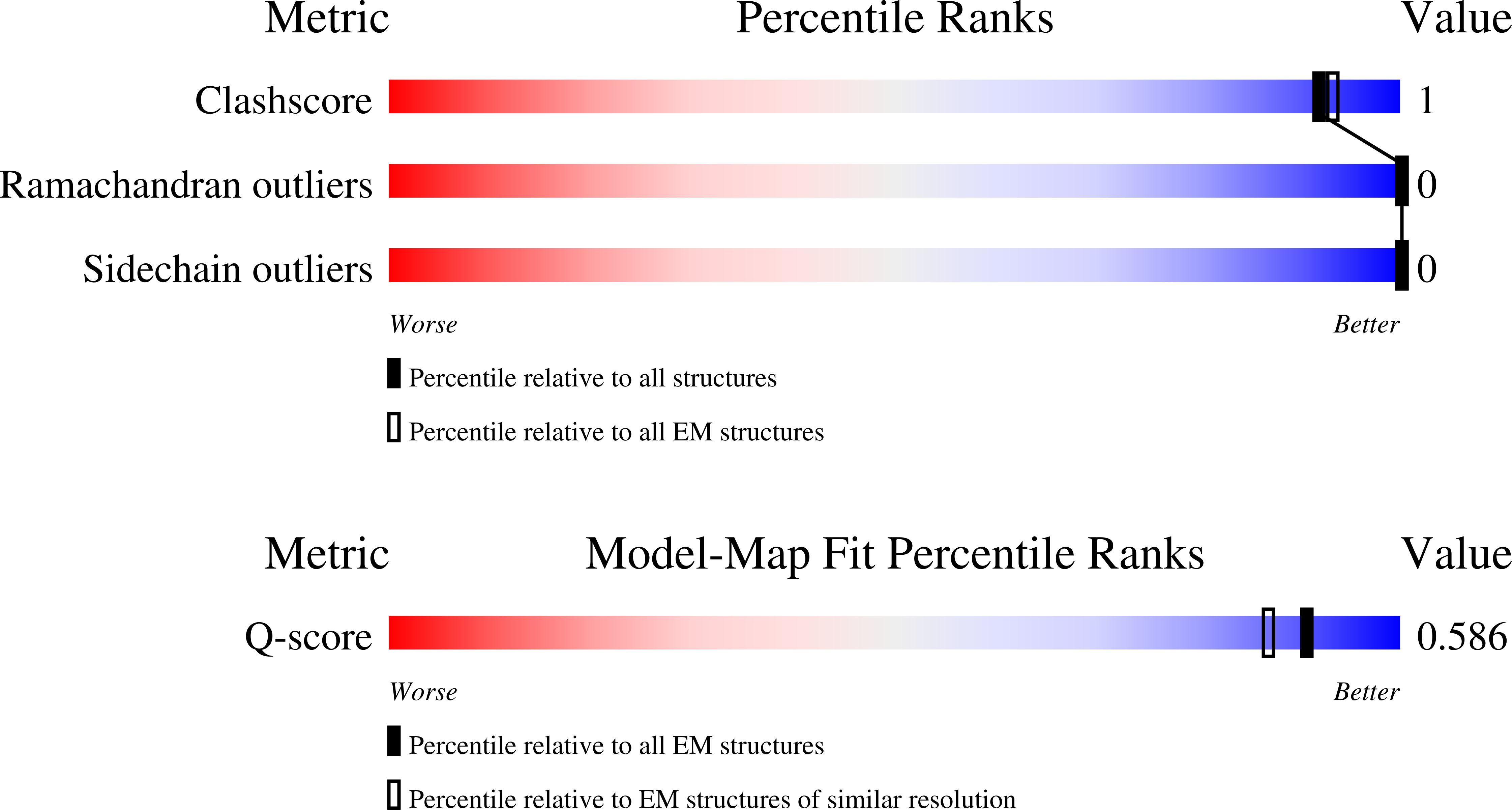
2.83 Å
Aggregation State:
PARTICLE
Reconstruction Method:
SINGLE PARTICLE
Macromolecular Entities
Polymer Type:polypeptide(L)
Molecule:Potassium channel subfamily K
Gene (Uniprot):KCNK9
Mutagens:L122V
Chain IDs:A, B
Chain Length:267
Number of Molecules:2
Biological Source:Homo sapiens
Primary Citation
Equivalent gain-of-function variants in KCNK3 and KCNK9 and their contribution to distinct TASK K2P channelopathies.
J.Gen.Physiol. 158 ? ? (2026)
PMID: 42560358 DOI: 10.1085/jgp.202613989

Abstact

Gain-of-function (GoF) missense variants in the two-pore domain (K2P) K+ channel TASK-1 (KCNK3) result in developmental delay with sleep apnea (DDSA), a neurodevelopmental channelopathy, while loss-of-function (LoF) variants cause pulmonary arterial hypertension. However, for the related TASK-3 channel (KCNK9), both LoF and GoF variants underlie a distinct neurodevelopmental disorder, KCNK9 imprinting syndrome (KIS). The relationship between genotype and phenotype in these disorders is further complicated because TASK-1 and TASK-3 can co-assemble into heteromeric channels with distinct functional properties. Here, we report additional patients with missense variants in KCNK3 and KCNK9 and investigate the effect of four novel genetic variants on the functional properties of homomeric and heteromeric TASK channels. Interestingly, two of these new pathogenic GoF variants (R131H and L122V) are found in both TASK-1 and TASK-3 and have equivalent functional effects on heteromeric TASK-1/TASK-3 channel activity, yet result in different clinical phenotypes. We have also determined a cryo-EM structure for the pathogenic L122V mutant TASK-3 channel, which suggests that subtle changes in gating and permeation within the inner cavity are responsible for its activatory effect. Overall, these results highlight the dominant role that homomeric TASK channels likely play in defining their associated channelopathies as well as the complexity of interpreting K+ channel dysfunction in pathophysiology.

Legend

Protein

Chemical

Disease

Primary Citation of related structures
Feedback Form
Name
Email
Institute
Feedback