

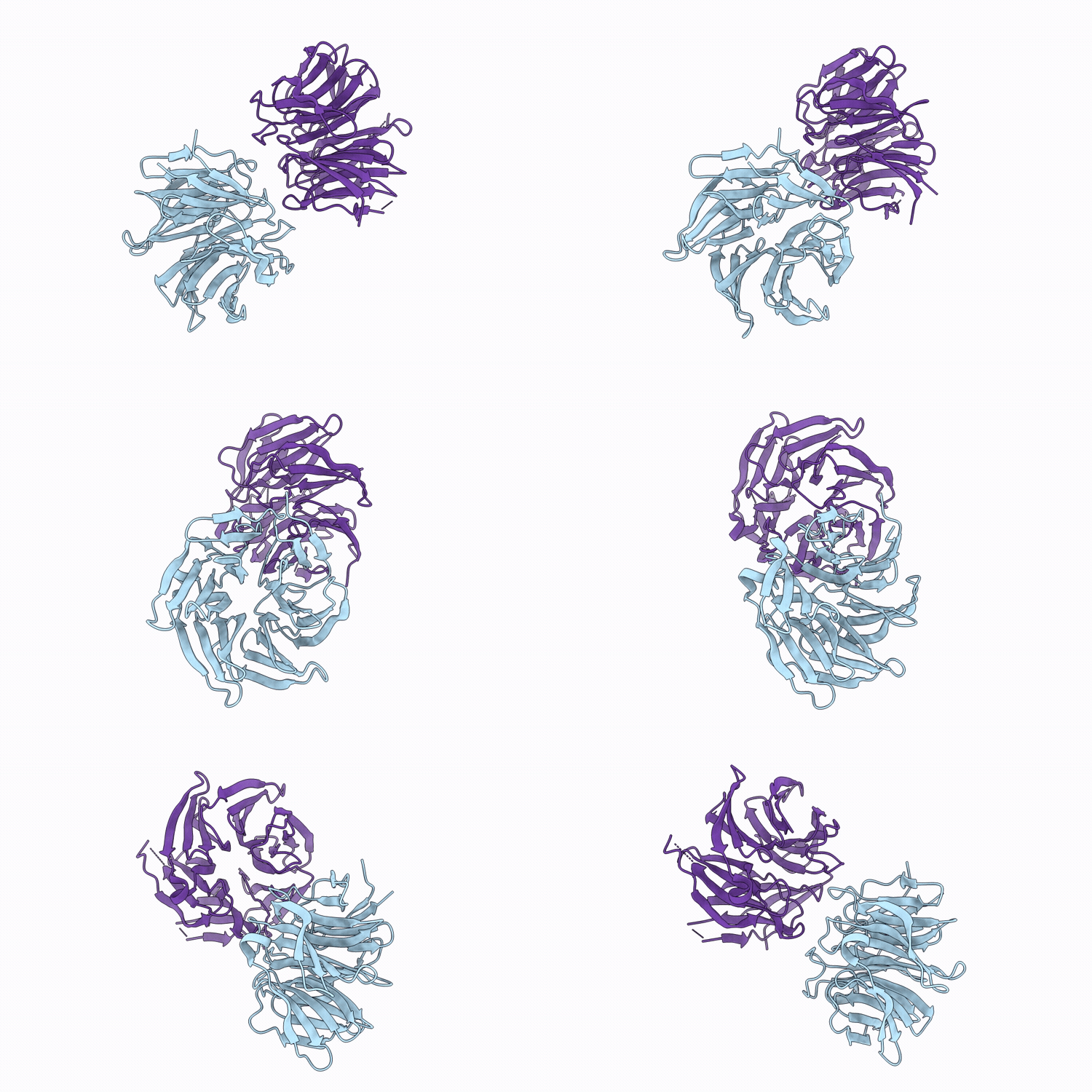
22GX image
Deposition Date 2026-01-10
Release Date 2026-04-01
Last Version Date 2026-09-30
Entry Detail
PDB ID:
22GX
Title:
Crystal structure of the CJ1041C protein from Campylobacter jejuni in the apo form in space group C2
Biological Source:
Source Organism(s):
Expression System(s):
Method Details:
Experimental Method:
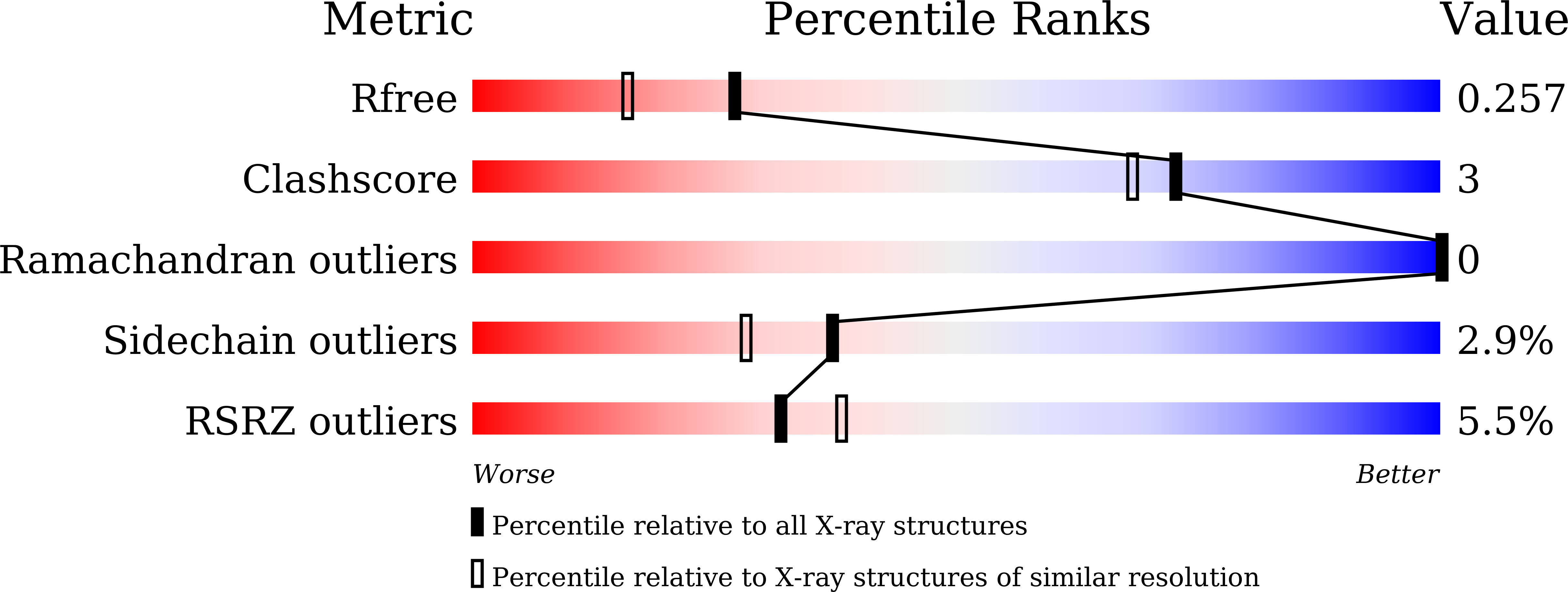
Resolution:
1.95 Å
R-Value Free:
0.25
R-Value Work:
0.21
R-Value Observed:
0.22
Space Group:
C 1 2 1
Macromolecular Entities
Structural Superimposition Protein Blast
Polymer Type:polypeptide(L)
Molecule:CJ1041C
Chain IDs:A, B
Chain Length:272
Number of Molecules:2
Biological Source:Campylobacter jejuni
Primary Citation
beta-Propeller structure of the CJ1041C protein from Campylobacter jejuni and its interaction with Ca 2+ ions.
Sci Rep 16 ? ? (2026)
PMID: 42744853 DOI: 10.1038/s41598-026-64794-0

Abstact

Campylobacter jejuni is the leading bacterial cause of foodborne enteric disease worldwide. The increasing emergence of antibiotic-resistant C. jejuni strains underscores the need to identify new protein targets for antibacterial drug development through the functional characterization of previously unstudied C. jejuni proteins. One such protein whose function has not been experimentally investigated is CJ1041C. To gain insight into the role of CJ1041C, we determined its crystal structures in both the apo form and in complex with Ca(2+) ions. CJ1041C adopts a six-bladed beta-propeller architecture, in which six four-stranded beta-sheets are radially arranged around a central channel. This channel is occluded in the middle and harbors two oppositely oriented, negatively charged cavities. Notably, the upper cavity coordinates a Ca(2+) ion through highly conserved residues and additionally accommodates a glycerol molecule presumably as a substrate-water mimic. The Ca(2+)-binding configuration of CJ1041C closely resembles that observed in beta-propeller lactonases, suggesting that CJ1041C functions as a lactonase or lactonase-like enzyme. However, the unique glycerol-binding mode of CJ1041C, combined with the results of phylogenetic and sequence analyses, indicates that CJ1041C represents a distinct member of the beta-propeller lactonase family that likely exerts catalytic activity toward noncanonical substrates.

Legend

Protein

Chemical

Disease

Primary Citation of related structures
Feedback Form
Name
Email
Institute
Feedback