

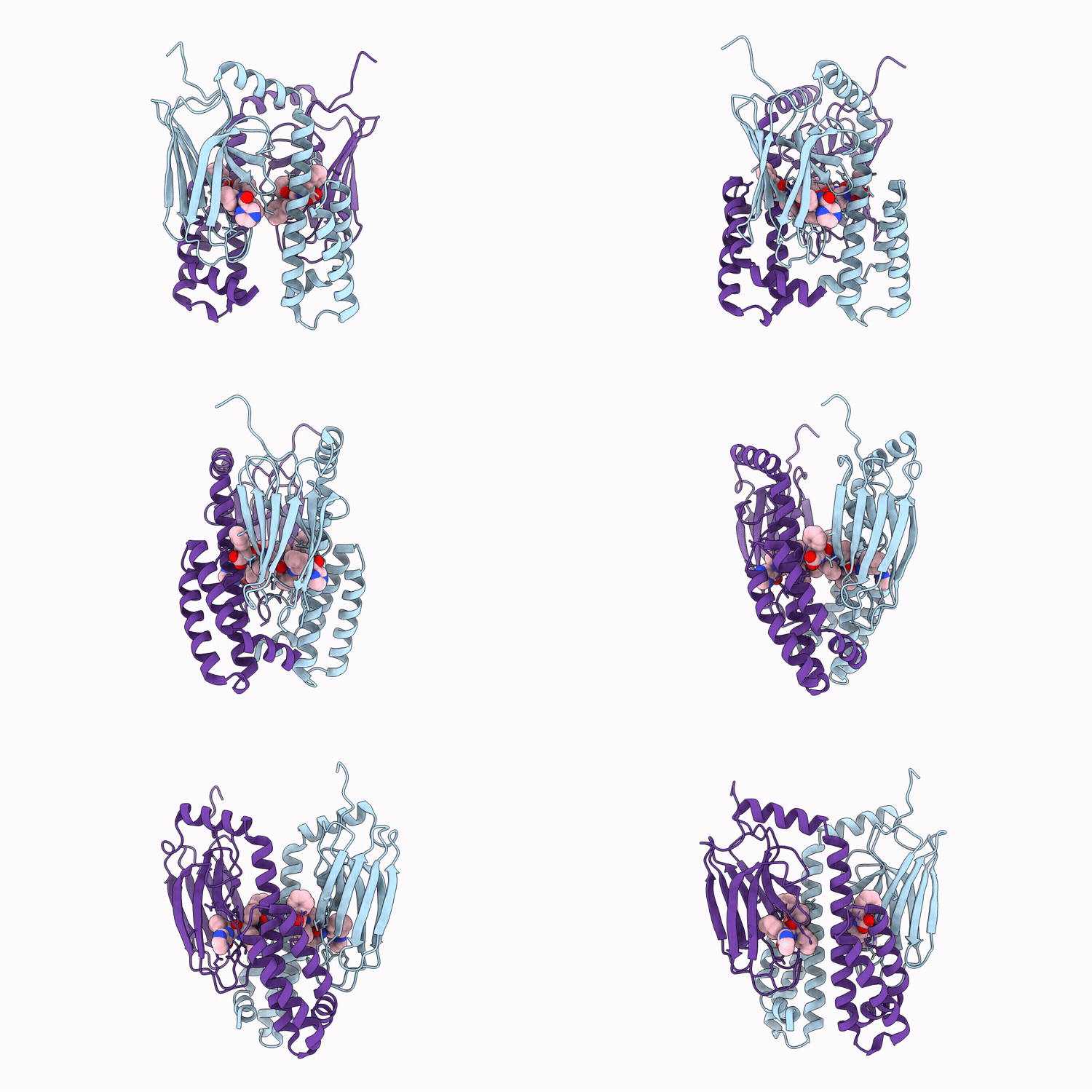
13IV image
Deposition Date 2026-05-08
Release Date 2026-05-27
Last Version Date 2026-05-27
Entry Detail
PDB ID:
13IV
Keywords:
Title:
E. coli DaK bound to peptide PA1, structure A
Biological Source:
Source Organism(s):
Escherichia coli (Taxon ID: 562)
Expression System(s):
Method Details:
Experimental Method:
Resolution:
3.23 Å
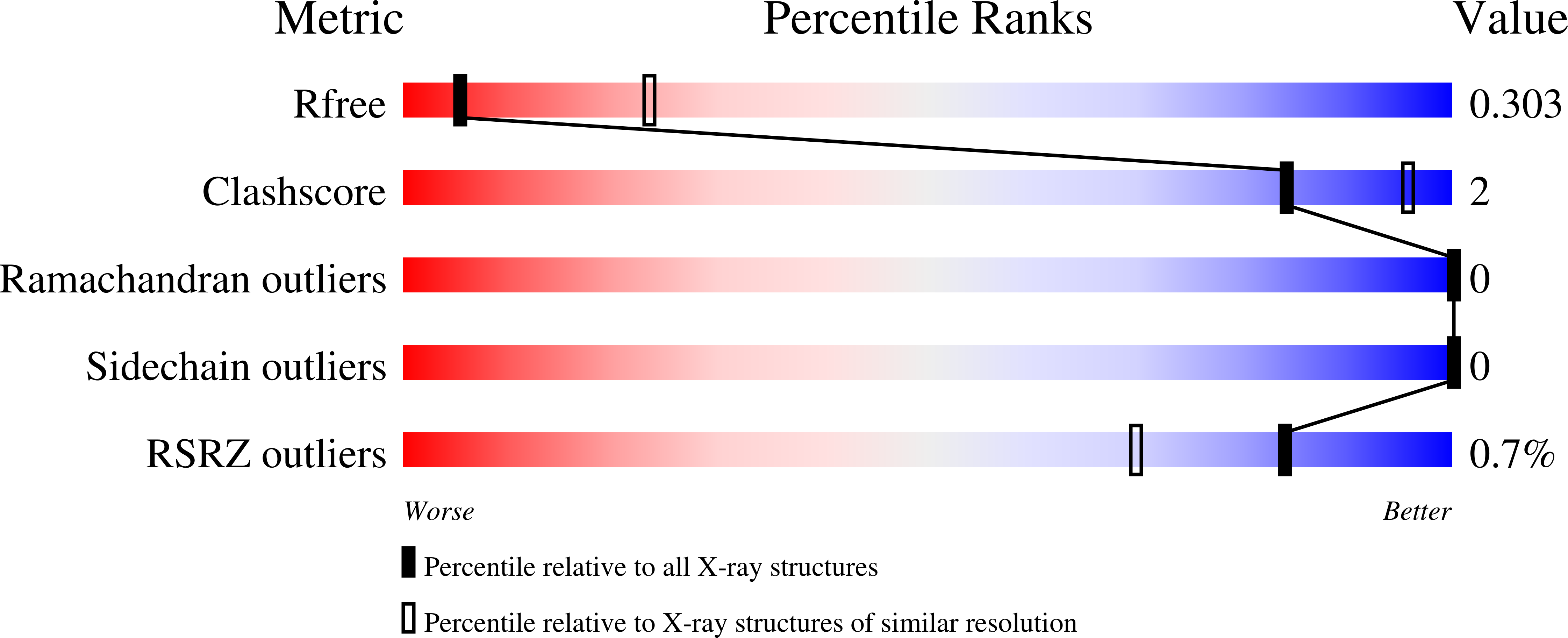
R-Value Free:
0.29
R-Value Work:
0.24
R-Value Observed:
0.25
Space Group:
P 21 21 2
Macromolecular Entities
Structures with similar UniProt ID
Protein Blast
Polymer Type:polypeptide(L)
Molecule:Chaperone protein DnaK
Gene (Uniprot):dnaK
Chain IDs:A, B
Chain Length:219
Number of Molecules:2
Biological Source:Escherichia coli
Ligand Molecules
Peptide-like Molecules
PRD_002606
Primary Citation
Reengineering Protease Inhibitors to Disrupt Hsp70 Chaperone Function.
Angew.Chem.Int.Ed.Engl. ? e1777033 e1777033 (2026)
PMID: 42154608 DOI: 10.1002/anie.1777033

Abstact

The heat shock protein 70 (Hsp70) family consists of ATP-driven molecular chaperones essential for maintaining protein homeostasis (proteostasis) across all cell types, however, modulation of chaperone activity by small molecules remains challenging. In bacteria, a major Hsp70 called DnaK represents a putative antibacterial target, as it plays essential roles in growth, antibiotic resistance, and stress response. While Hsp70 inhibitors are in development as potential cancer and neurodegenerative disease treatments in humans, we lack generalizable methods to target Hsp70s across species. Here, we address how peptidomimetic scaffolds designed to inhibit proteases, exemplified by the drug telaprevir, interact with two different bacterial DnaKs to disrupt chaperone function. We perform extensive structure-function studies of telaprevir analogs against DnaK to inform the design of synthetic unnatural peptide sequences with a range of inhibitory potencies. X-ray crystallography analysis of telaprevir and several synthetic peptidomimetics reveal interactions with DnaK's substrate binding domain via ligand side chain recognition reminiscent of that observed in protease active sites, but in two orientations. These co-complexes inspire the synthesis of shorter peptidomimetics capable of allosterically inhibiting DnaK's ATPase activity. Overall, this work demonstrates that chemical scaffolds devised for protease inhibition may be modified to disrupt Hsp70 chaperone activities.

Legend

Protein

Chemical

Disease

Primary Citation of related structures
Feedback Form
Name
Email
Institute
Feedback