

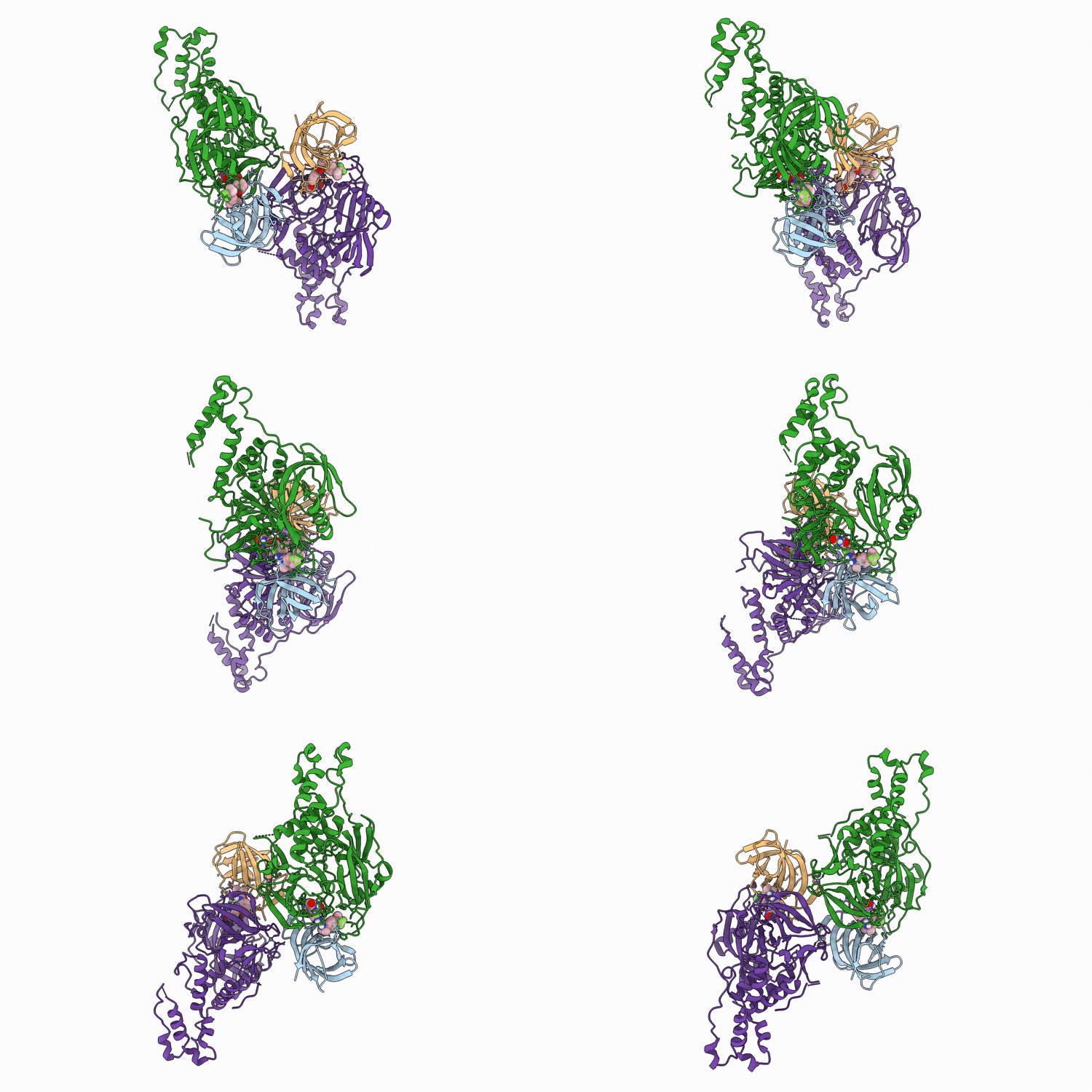
11MR image
Deposition Date 2026-03-05
Release Date 2026-05-06
Last Version Date 2026-05-06
Entry Detail
PDB ID:
11MR
Title:
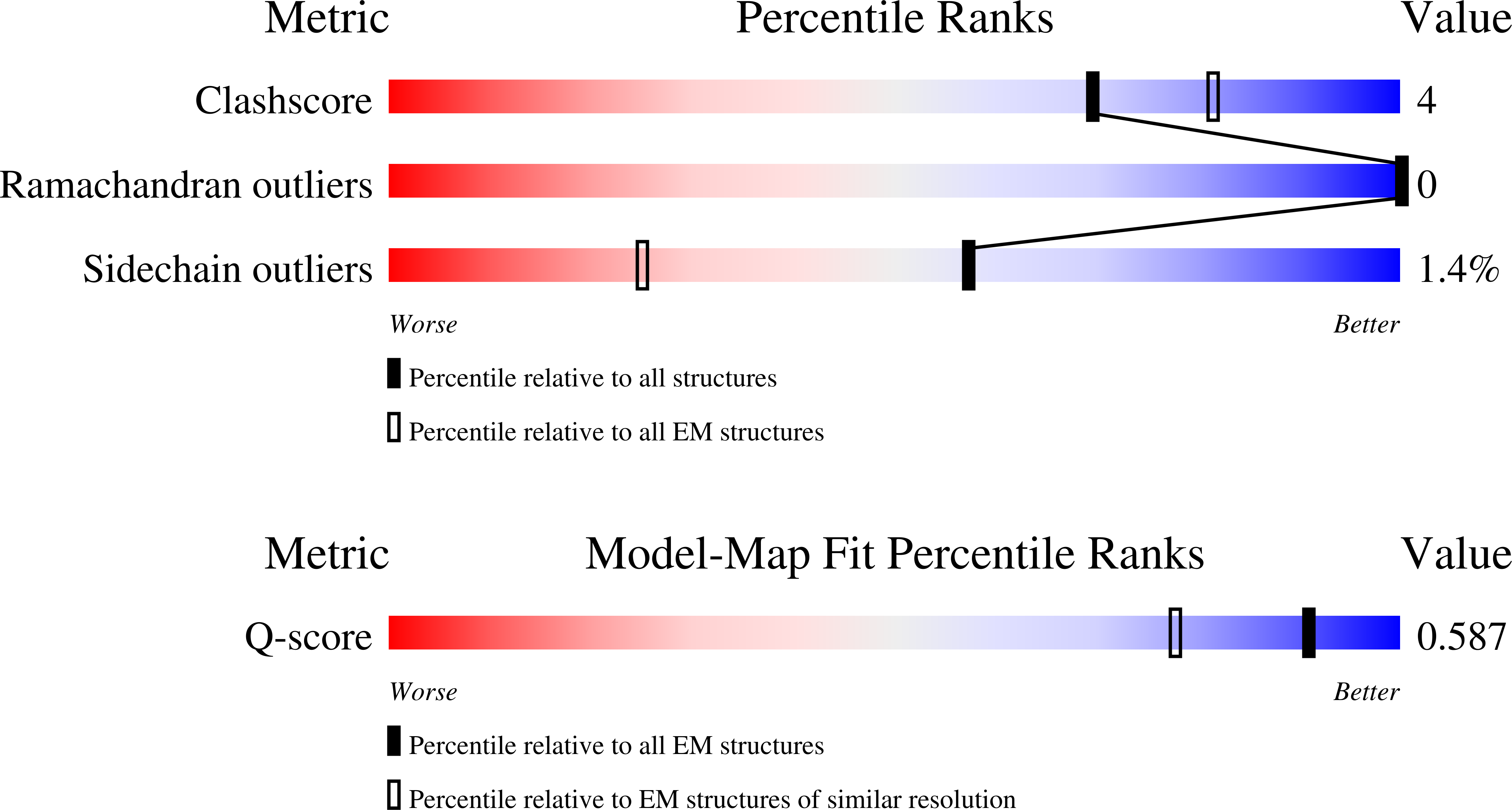
Cryo-EM structure of CRBN in complex with HBS1L and TNG-4857 (focused refinement)
Biological Source:
Source Organism(s):
Homo sapiens (Taxon ID: 9606)
Expression System(s):
Method Details:
Experimental Method:
Resolution:
2.60 Å
Aggregation State:
PARTICLE
Reconstruction Method:
SINGLE PARTICLE
Macromolecular Entities
Structures with similar UniProt ID
Protein Blast
Polymer Type:polypeptide(L)
Molecule:HBS1-like protein
Gene (Uniprot):HBS1L
Chain IDs:A, C
Chain Length:208
Number of Molecules:2
Biological Source:Homo sapiens
Structures with similar UniProt ID
Protein Blast
Polymer Type:polypeptide(L)
Molecule:Protein cereblon
Gene (Uniprot):CRBN
Chain IDs:B, D
Chain Length:404
Number of Molecules:2
Biological Source:Homo sapiens
Primary Citation

Abstact

When tumor suppressor genes are lost through chromosomal deletion, deletion of adjacent genes can generate therapeutic vulnerabilities. MTAP is frequently co-deleted with the Chr9p21 tumor suppressor gene CDKN2A, creating synthetic lethal dependency on PRMT5. Telomeric to MTAP lies FOCAD, whose loss induces dependency on the HBS1L/PELO ribosome-rescue complex for translational maintenance. FOCAD is deleted in ~1/3 of MTAP-deleted cancers. We screened an IMiD-focused diversity library and identified a weak hit that bound cereblon, promoted HBS1L-CRBN-compound complex formation, and induced E3-ligase-dependent HBS1L ubiquitination and degradation. Guided by cryo-EM structures and proteome selectivity we developed TNG961, a potent, selective HBS1L degrader that disrupts the HBS1L/PELO complex, inducing translational arrest, unfolded protein response activation, and growth inhibition in FOCAD-negative models. Oral administration of TNG961 regresses FOCAD-negative xenografts, including PRMT5 inhibitor-refractory models, establishing HBS1L degradation as a strategy to exploit FOCAD loss and supporting clinical evaluation of TNG961 as a first-in-class precision oncology therapeutic.

Legend

Protein

Chemical

Disease

Primary Citation of related structures
Feedback Form
Name
Email
Institute
Feedback