

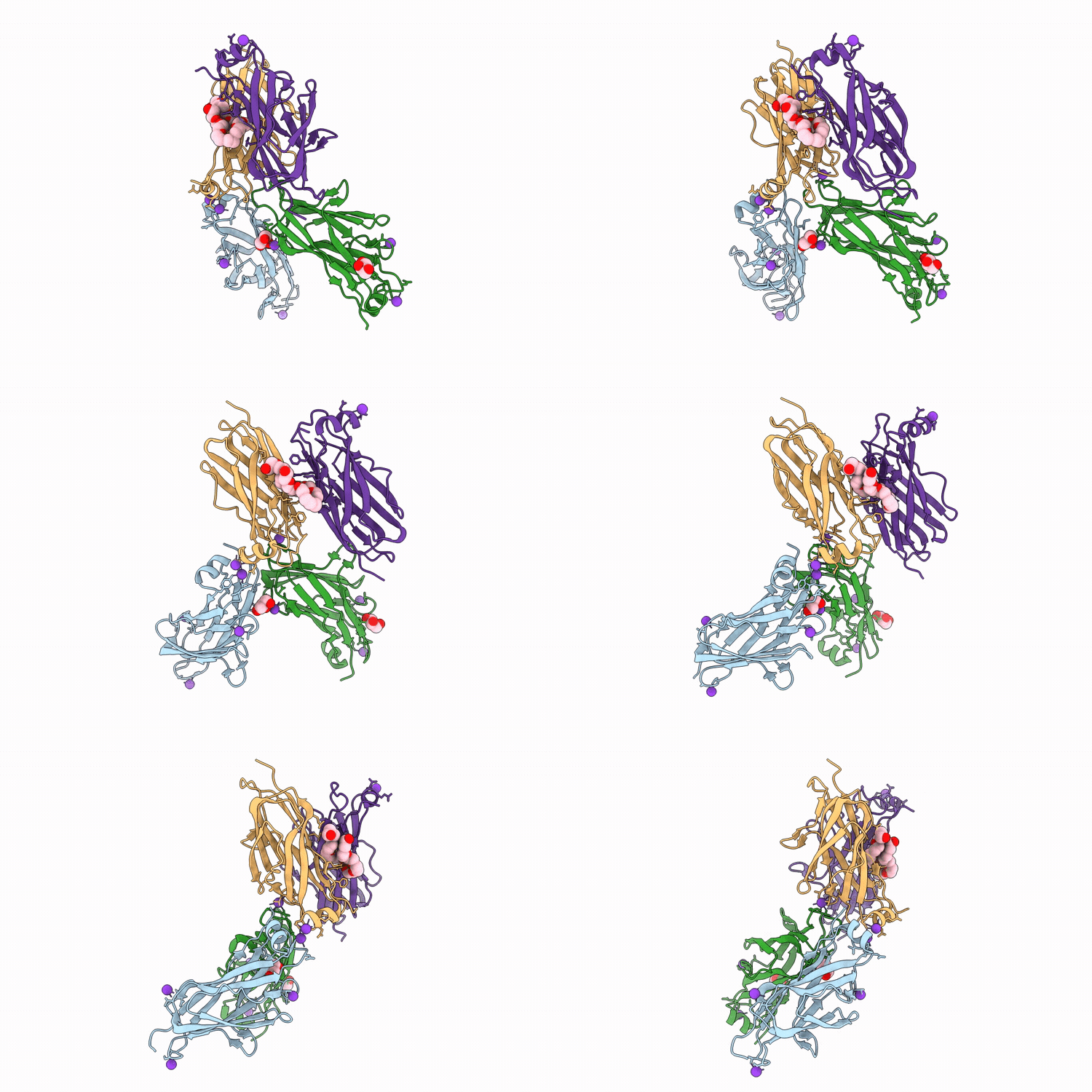
10UX image
Deposition Date 2026-02-10
Release Date 2026-08-05
Last Version Date 2026-08-26
Entry Detail
PDB ID:
10UX
Title:
Cohesin domain number 2 from gene locus Rcal_2942 of Ruminococcus callidus, a type 4 cohesin
Biological Source:
Source Organism(s):
Expression System(s):
Method Details:
Experimental Method:
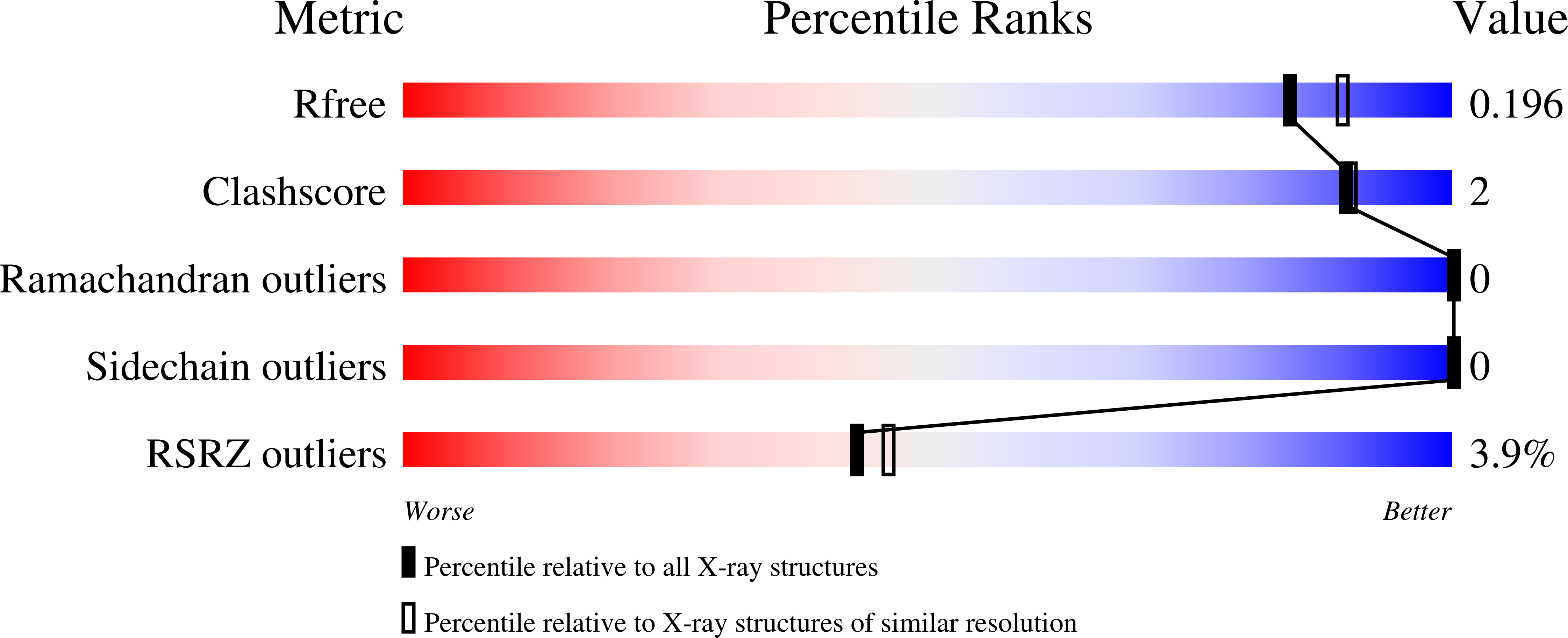
Resolution:
1.90 Å
R-Value Free:
0.19
R-Value Work:
0.17
R-Value Observed:
0.17
Space Group:
P 1 21 1
Macromolecular Entities
Polymer Type:polypeptide(L)
Molecule:Cohesin domain number 2
Chain IDs:A, B, C, D
Chain Length:167
Number of Molecules:4
Biological Source:Ruminococcus callidus
Primary Citation
AlphaFold-driven structural proteomics reveals extensive cellulosome machinery in human ruminococcal symbionts.
Mbio 17 e0129526 e0129526 (2026)
PMID: 42489485 DOI: 10.1128/mbio.01295-26

Abstact

Cellulosomes are large, surface-displayed enzyme complexes that enable anaerobic bacteria to degrade recalcitrant plant polysaccharides, yet cellulosome-expressing bacteria are thought to be rare in the human gut. Here, we show that extensive sequence divergence obscures the detection of many ruminococcal cellulosomes by conventional sequence homology-based methods. Using proteome-scale AlphaFold2 structural predictions, we uncovered a substantially expanded set of putative cellulosome-producing Ruminococcus species, including six previously unrecognized human symbionts. Structure-based clustering identifies several novel cohesin families that retain conserved folds despite extreme sequence divergence and define distinct, phylogenetically conserved cellulosome architectures. The analysis reveals R. callidus and related human symbionts encode elaborate cellulosomes that are invisible to sequence-based annotation. Similarly, R. difficilis, a human gut symbiont, has been found to possess genes for an atypical cohesin-based assembly enriched in amylases and related starch-binding proteins, which may enable this microbe to degrade resistant starches that evade digestion in the upper gastrointestinal tract. Together, these findings reveal that ruminococcal cellulosomes are far more prevalent and diverse than previously appreciated and demonstrate the power of structural proteomics to uncover deeply divergent functional systems in the gut microbiome.IMPORTANCEPlant cell wall polysaccharides are a major dietary carbon source, yet their degradation relies on rare, highly specialized microbial enzyme assemblies known as cellulosomes, which have long been considered uncommon in the human gut. Using proteome-scale structure prediction combined with experimental validation, we show that cellulosomes are far more widespread and structurally diverse in human-associated Ruminococcus species than previously appreciated. We identify multiple new cohesin families and reveal distinct cellulosome architectures likely adapted to degrade different dietary substrates. Together, these findings redefine the distribution and evolution of cellulosomes in gut microbes and demonstrate the power of structural proteomics to uncover deeply diverged biological systems.

Legend

Protein

Chemical

Disease

Primary Citation of related structures
Feedback Form
Name
Email
Institute
Feedback