

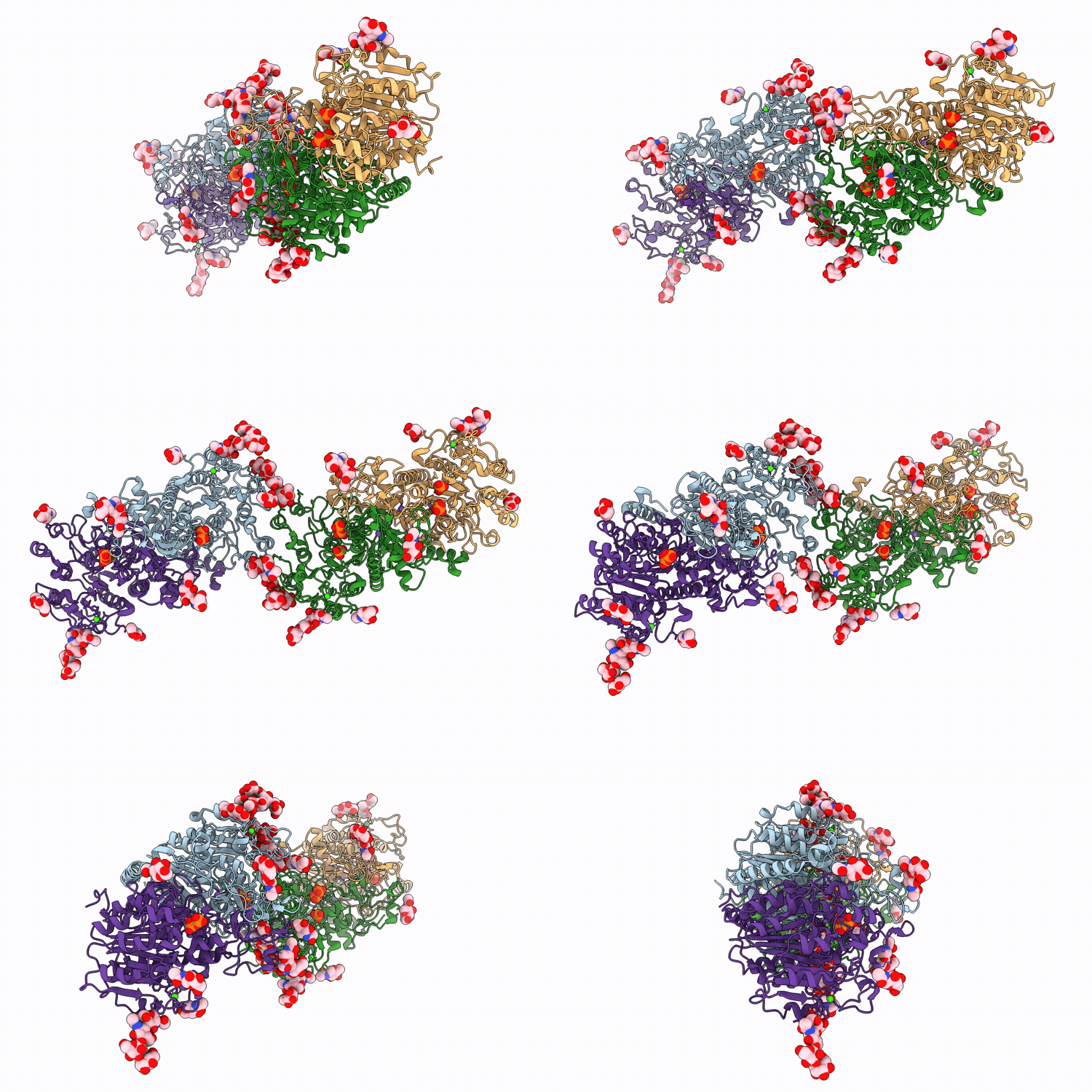
10TY image
Deposition Date 2026-02-09
Release Date 2026-04-22
Last Version Date 2026-05-06
Entry Detail
PDB ID:
10TY
Keywords:
Title:
Tissue Non-specific Alkaline Phosphatase -S110A bound to PPi with ethylene glycol
Biological Source:
Source Organism(s):
Mus musculus (Taxon ID: 10090)
Expression System(s):
Method Details:
Experimental Method:
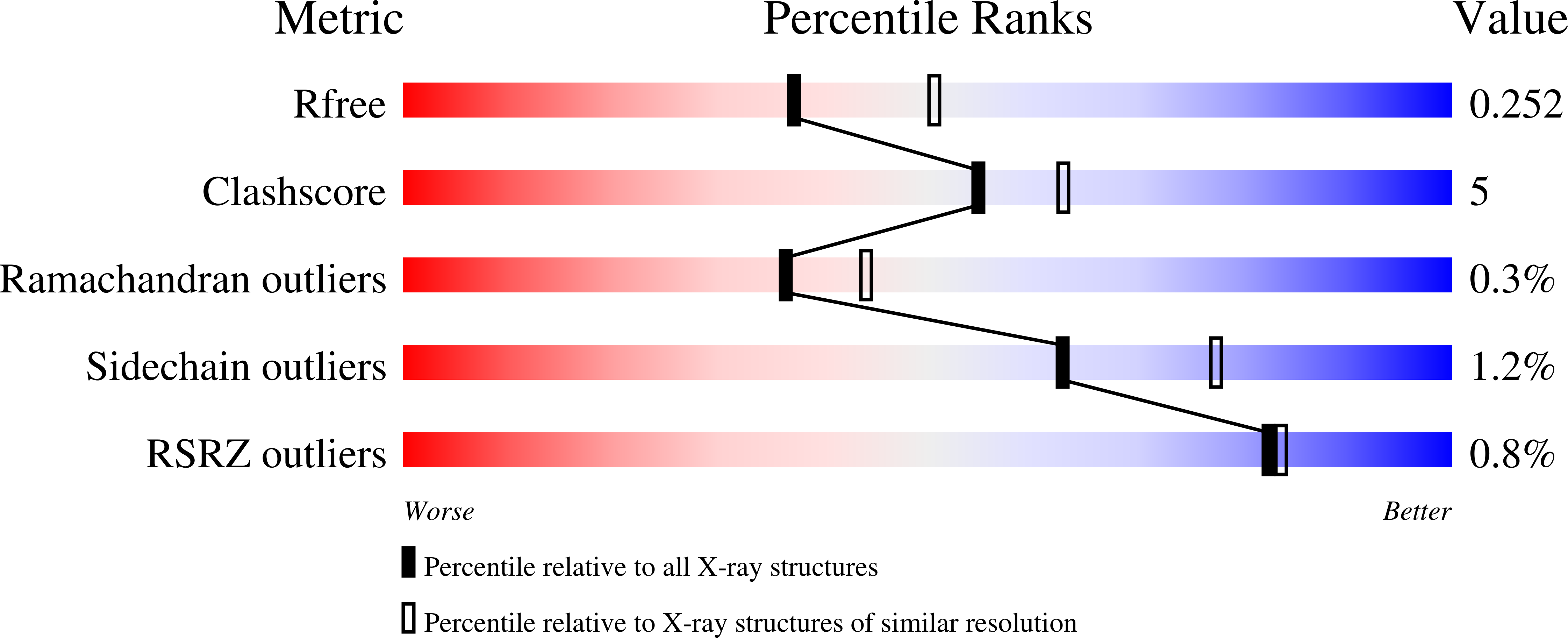
Resolution:
2.28 Å
R-Value Free:
0.24
R-Value Work:
0.21
R-Value Observed:
0.21
Space Group:
P 21 21 21
Macromolecular Entities
Structures with similar UniProt ID
Protein Blast
Polymer Type:polypeptide(L)
Molecule:Alkaline phosphatase, tissue-
Gene (Uniprot):Alpl
Mutagens:S110A
Chain IDs:A, B, C, D
Chain Length:493
Number of Molecules:4
Biological Source:Mus musculus
Primary Citation

Abstact

Tissue-nonspecific alkaline phosphatase (TNAP) promotes skeletal mineralization by hydrolysing pyrophosphate(1) and has been linked to uncoupling protein 1 (UCP1)-independent adipocyte thermogenesis through the futile creatine cycle through phosphocreatine hydrolysis(2,3). Despite TNAP's broad physiological roles, endogenous regulators of its activity have not been defined. Furthermore, the activation mechanism of UCP1-independent thermogenesis has remained unresolved. Here we identify glycerol as an allosteric activator of TNAP. Glycerol binds to a surface pocket distal to the active site, which we term the glycerol pocket, to enhance TNAP activity. Using biophysical, structural, bioenergetic and physiological approaches, we show that the glycerol pocket is required for TNAP-driven thermogenesis. Through this mechanism, TNAP activates the futile creatine cycle, acting as a physiological complement to UCP1. The glycerol pocket is likewise required for optimal osteoblast-regulated mineralization. Human missense variants in this site reduce TNAP-dependent mineralization in vitro and are associated with lower alkaline phosphatase activity and bone mineral density, providing genetic evidence that its disruption impairs skeletal physiology.

Legend

Protein

Chemical

Disease

Primary Citation of related structures
Feedback Form
Name
Email
Institute
Feedback