

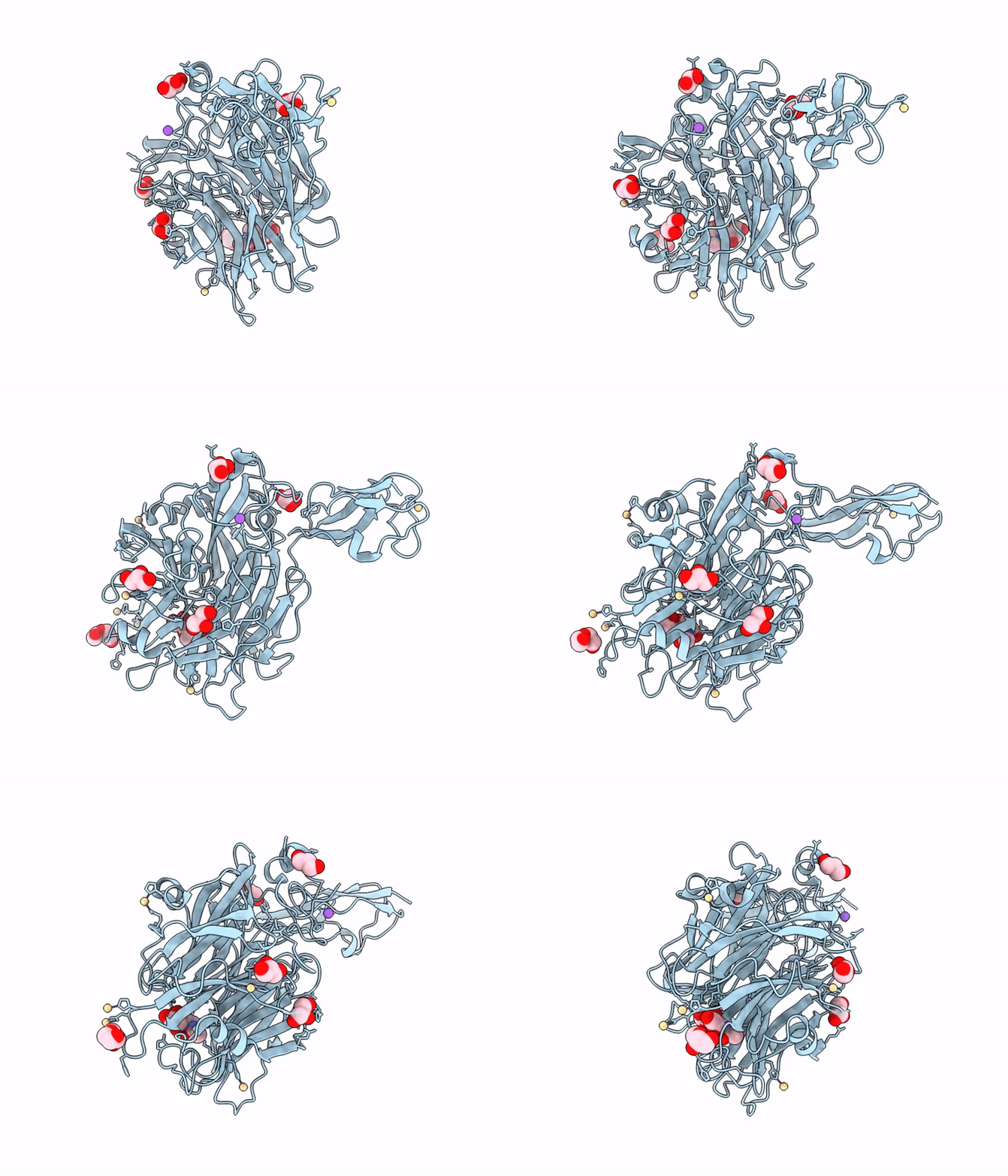
10QI image
Deposition Date 2026-02-01
Release Date 2026-02-25
Last Version Date 2026-02-25
Entry Detail
PDB ID:
10QI
Keywords:
Title:
Crystal Structure of Treponema denticola Sialidase (TDE_0471) D165A mutant bound to 3'-sialyllactose (only Neu5Ac visible)
Biological Source:
Source Organism(s):
Expression System(s):
Method Details:
Experimental Method:
Resolution:
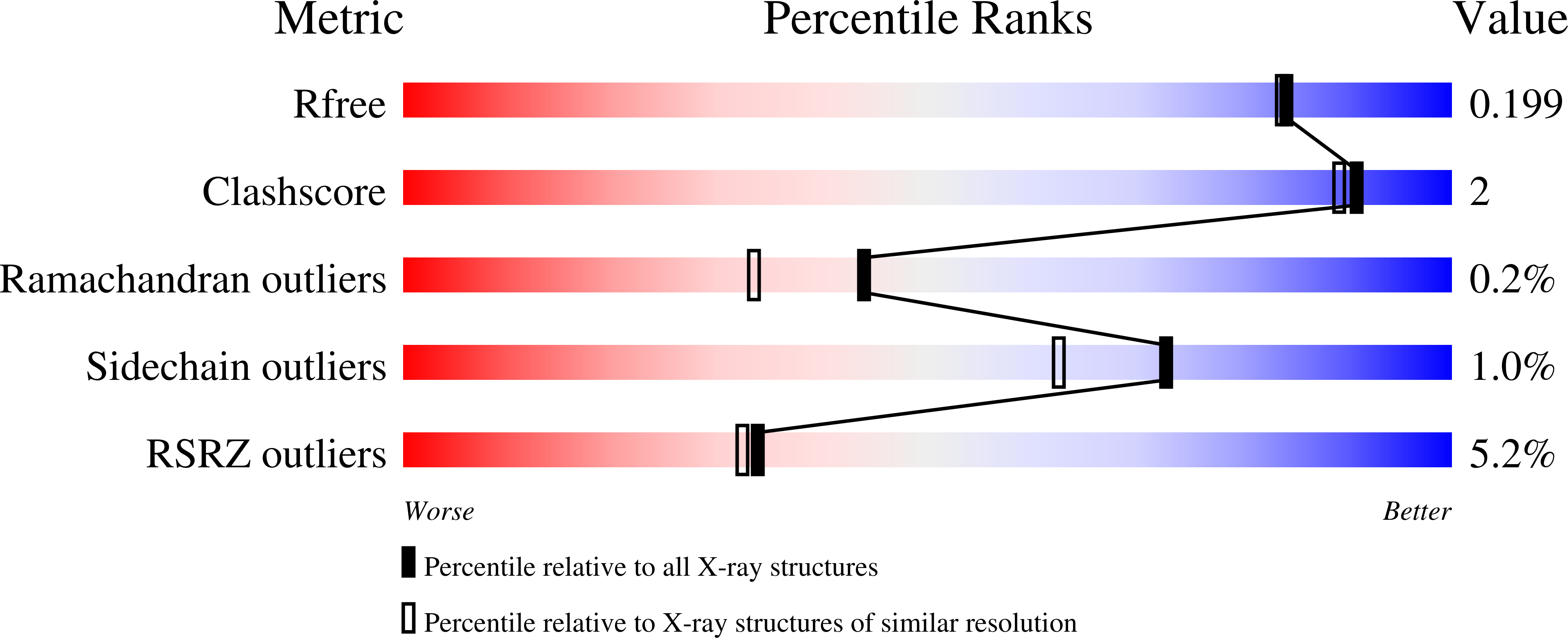
1.81 Å
R-Value Free:
0.18
R-Value Work:
0.16
Space Group:
C 1 2 1
Macromolecular Entities
Structures with similar UniProt ID
Protein Blast
Polymer Type:polypeptide(L)
Molecule:exo-alpha-sialidase
Mutagens:D165A
Chain IDs:A
Chain Length:531
Number of Molecules:1
Biological Source:Treponema denticola
Primary Citation
Bacterial exo-alpha-sialidases subvert the complement system through desialylation.
Biorxiv ? ? ? (2026)
PMID: 41676663 DOI: 10.64898/2026.02.05.703967

Abstact

The complement system is a central pillar of innate immunity, yet how bacterial glycan-modifying enzymes subvert complement function remains poorly understood. Bacterial sialidases remove terminal sialic acids from host sialoglycans, but their direct impact on complement immunity is unclear. Here, we investigate the impact of six sialidases from five human pathogens on complement immunity using an integrated approach combining genetics, biochemistry, glycobiology, mass spectrometry, and structural biology. We demonstrate that major complement components (IgG, C1q, C4, and C5) and regulators (Factor I, Factor H, and C4bp) are sialylated, and that bacterial sialidase-mediated desialylation suppresses complement activation and surface deposition, thereby enabling complement evasion. Despite extensive sequence diversity, biochemical and structural analyses reveal that all examined sialidases share a conserved six-bladed beta-propeller catalytic domain and cleave both N-acetylneuraminic and N-glycolylneuraminic acids, the predominant mammalian sialic acids. Together, these findings uncover a conserved mechanism by which diverse bacterial pathogens disable complement immunity through desialylation.

Legend

Protein

Chemical

Disease

Primary Citation of related structures
Feedback Form
Name
Email
Institute
Feedback