

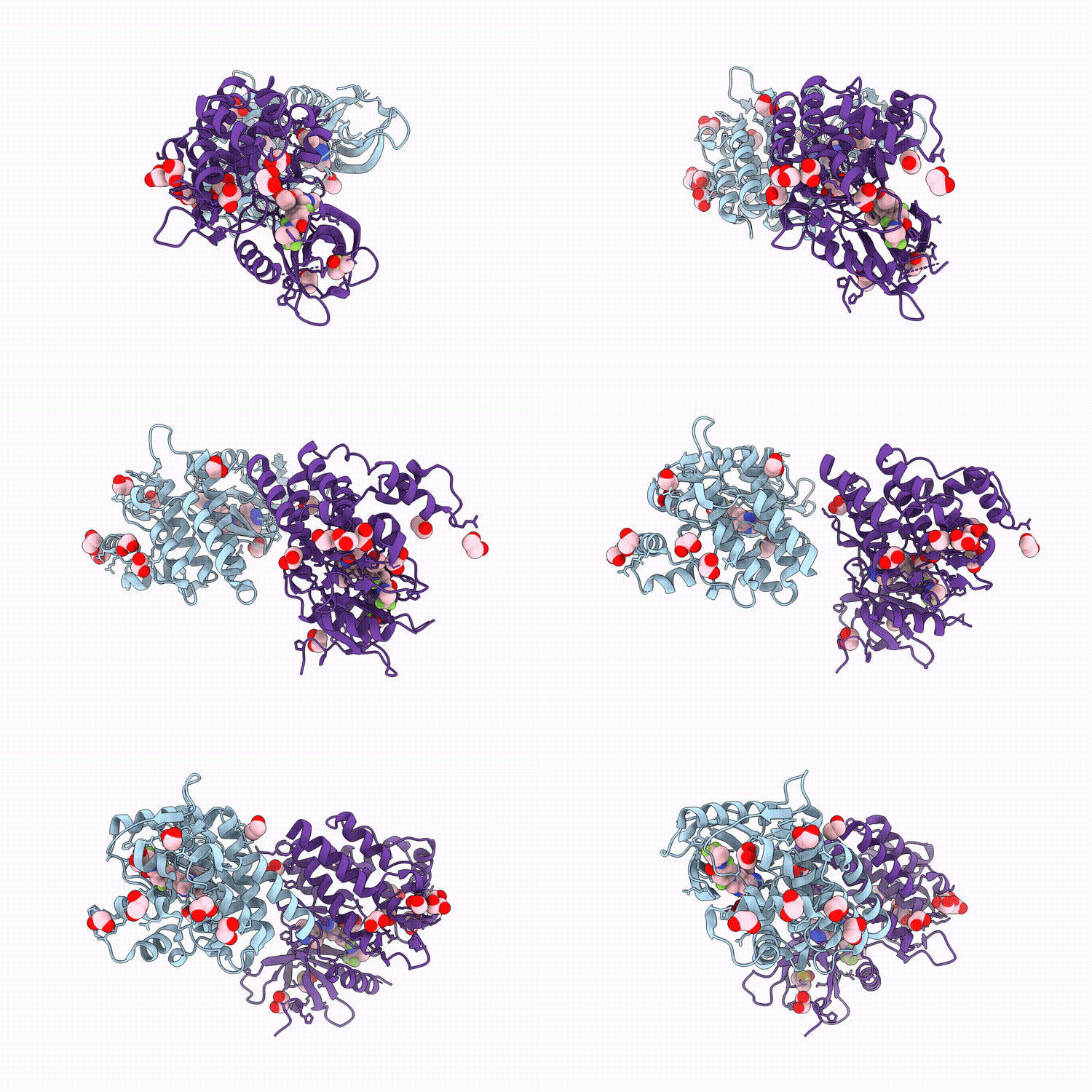
10PI image
Deposition Date 2026-01-30
Release Date 2026-06-10
Last Version Date 2026-06-10
Entry Detail
PDB ID:
10PI
Keywords:
Title:
JAK1 kinase (JH1 domain) in complex with povorcitinib
Biological Source:
Source Organism(s):
Homo sapiens (Taxon ID: 9606)
Expression System(s):
Method Details:
Experimental Method:
Resolution:
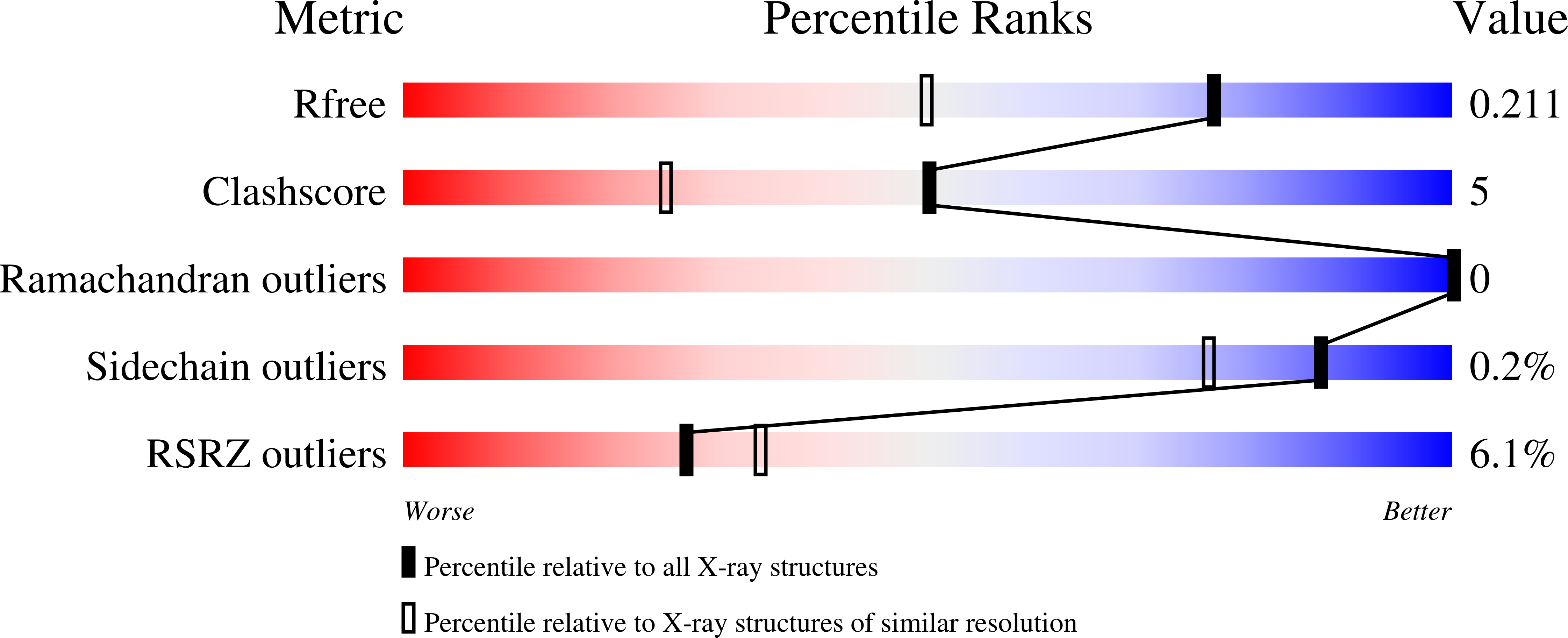
1.54 Å
R-Value Free:
0.21
R-Value Work:
0.17
R-Value Observed:
0.17
Space Group:
C 1 2 1
Macromolecular Entities
Structures with similar UniProt ID
Protein Blast
Polymer Type:polypeptide(L)
Molecule:Tyrosine-protein kinase JAK1
Gene (Uniprot):JAK1
Chain IDs:A, B
Chain Length:297
Number of Molecules:2
Biological Source:Homo sapiens
Primary Citation
Discovery of the Orally Bioavailable Isoform Selective Janus Kinase 1 (JAK1) Compound Povorcitinib (INCB054707) for the Treatment of Inflammatory and Autoimmune Diseases.
J.Med.Chem. ? ? ? (2026)
PMID: 42202255 DOI: 10.1021/acs.jmedchem.5c03753

Abstact

Aberrant JAK2 signaling is a key driver in cancers such as myeloproliferative neoplasms (MPNs), whereas JAK1 acts as a central mediator of autoimmune and inflammatory diseases. Since JAK2 supports blood cell production, its inhibition can lead to anemia and other cytopenias, making selective JAK1 inhibition a potentially safer therapeutic strategy opposed to dual JAK1/JAK2 inhibition. We initially identified novel scaffold 9, which selectively inhibited JAK1 over JAK2. Iterative breakthroughs led to the discovery of povorcitinib (INCB054707, 22), which showed improved pharmacokinetics due to intramolecular hydrogen bonding of the amide moiety and a reduced ring size in the hinge binding motif. Protein crystallography suggested that JAK1 selectivity was conferred by the amide's alkyl group accessing a small lipophilic groove formed by the P-loop conformation of JAK1 that was distinct from JAK2. In murine arthritis models, povorcitinib demonstrated dose-dependent efficacy and reduced inflammatory signaling, supporting its therapeutic potential in immunological disorders.

Legend

Protein

Chemical

Disease

Primary Citation of related structures
Feedback Form
Name
Email
Institute
Feedback