

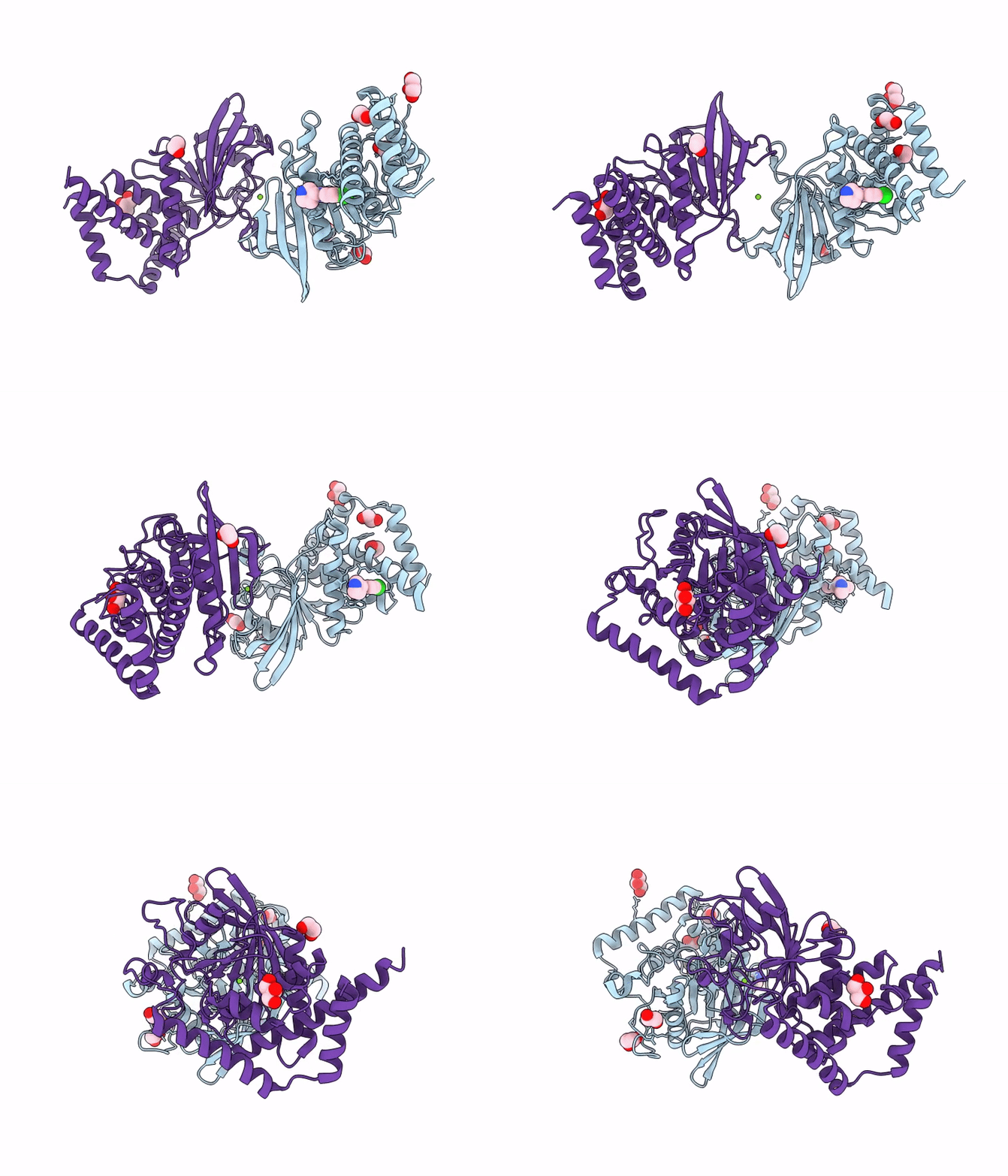
9YG2 image
Deposition Date 2025-09-27
Release Date 2026-01-28
Last Version Date 2026-02-11
Entry Detail
PDB ID:
9YG2
Keywords:
Title:
Targeting PTPN22 at non-orthosteric binding sites - a fragment approach
Biological Source:
Source Organism(s):
Homo sapiens (Taxon ID: 9606)
Expression System(s):
Method Details:
Experimental Method:
Resolution:
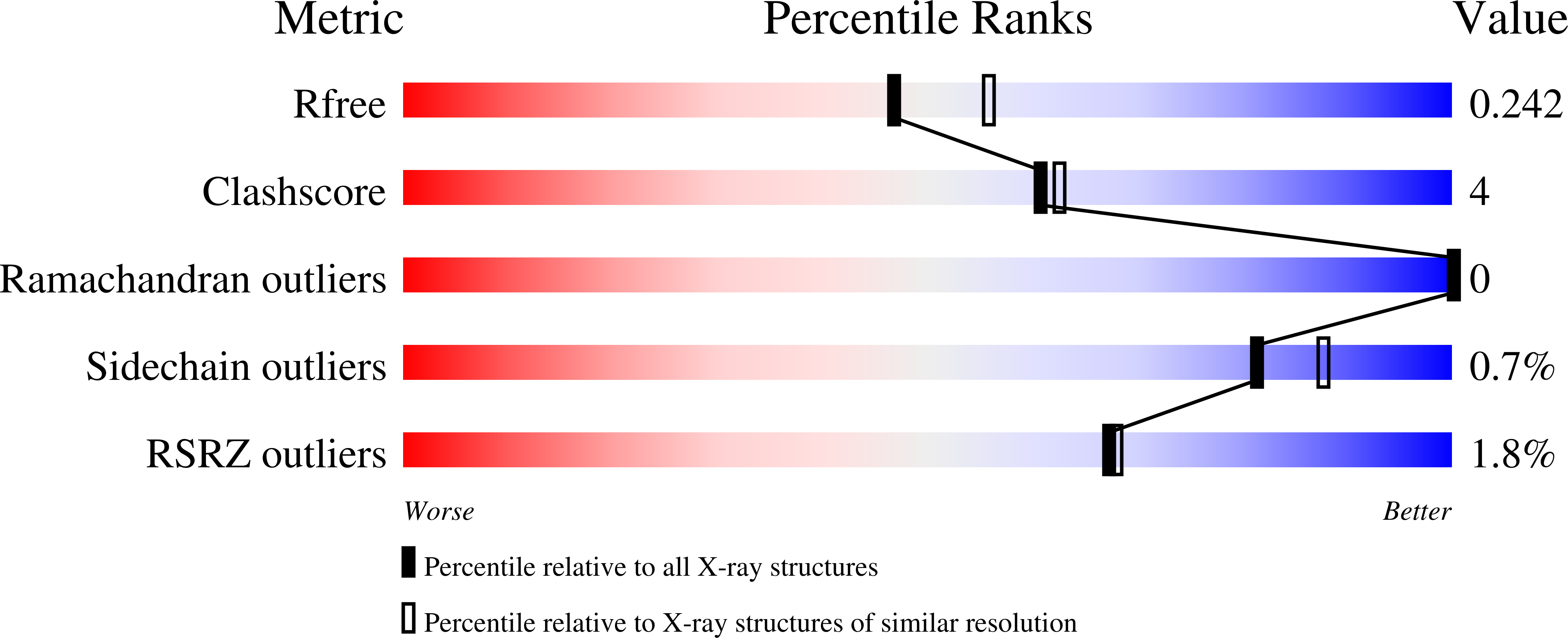
2.26 Å
R-Value Free:
0.24
R-Value Work:
0.18
R-Value Observed:
0.19
Space Group:
P 1 21 1
Macromolecular Entities
Structures with similar UniProt ID
Protein Blast
Polymer Type:polypeptide(L)
Molecule:Tyrosine-protein phosphatase
Gene (Uniprot):PTPN22
Chain IDs:A, B
Chain Length:321
Number of Molecules:2
Biological Source:Homo sapiens
Primary Citation
Targeting PTPN22 at Nonorthosteric Binding SitesA Fragment Approach.
Acs Omega 11 3465 3480 (2026)
PMID: 41585704 DOI: 10.1021/acsomega.5c11028

Abstact

Nonreceptor protein tyrosine phosphatase 22 (PTPN22) is a known negative regulator of T cell receptor signaling. PTPN22's pro-autoimmune variant (C1858T) was found to have a risk preventive association with multiple types of cancer, to contribute to improved overall survival in patients treated with the anti-PD-L1 atezolizumab, and to enhance tumor immunity in mice. Modulating the activity of phosphatases has been historically challenging due to the polar and conserved nature of the orthosteric sites across the protein family. In this work, we outline a strategy for discovering and characterizing nonorthosteric ligands of the PTPN22 phosphatase domain. We opted for a fragment screen to identify ligands of PTPN22 and utilized a multidisciplinary approach to characterize them. This included the integration of experimental data-driven molecular dynamics when cocrystallization of fragments with PTPN22 was unsuccessful. With this approach, we identified and advanced fragments that bind PTPN22 at two novel nonorthosteric sites. Due to the shared tertiary structure of the phosphatase domain, we believe this hit finding effort, combined with knowledge about the allosteric circuitry of phosphatases, can provide synergistic value.

Legend

Protein

Chemical

Disease

Primary Citation of related structures
Feedback Form
Name
Email
Institute
Feedback