

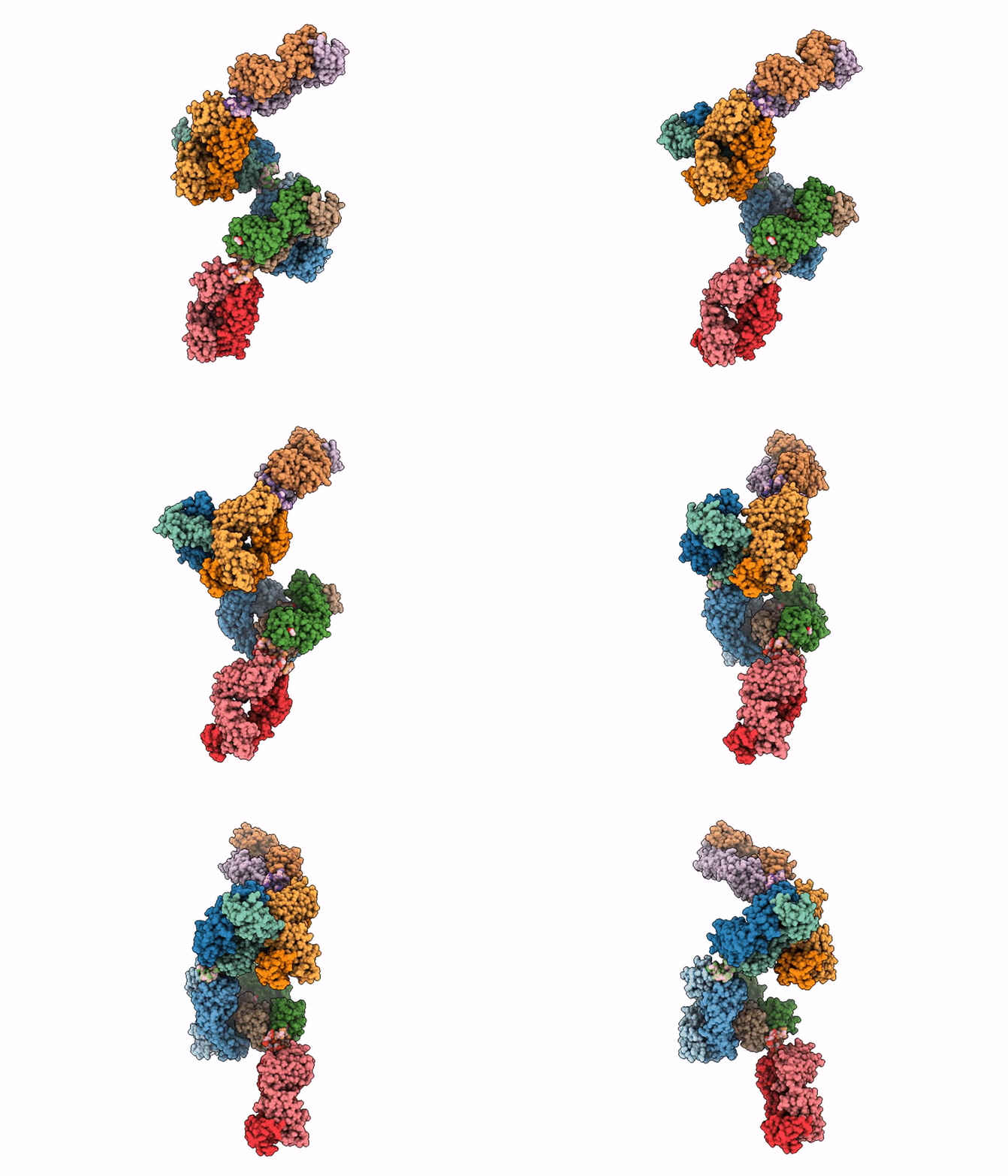
9WU2 image
Deposition Date 2025-09-17
Release Date 2026-02-18
Last Version Date 2026-03-18
Entry Detail
PDB ID:
9WU2
Keywords:
Title:
Crystal structure of cZ22-Fab in complex with left-handed dC(GC)3 DNA
Biological Source:
Source Organism(s):
Mus musculus (Taxon ID: 10090)
Homo sapiens (Taxon ID: 9606)
Expression System(s):
Method Details:
Experimental Method:
Resolution:
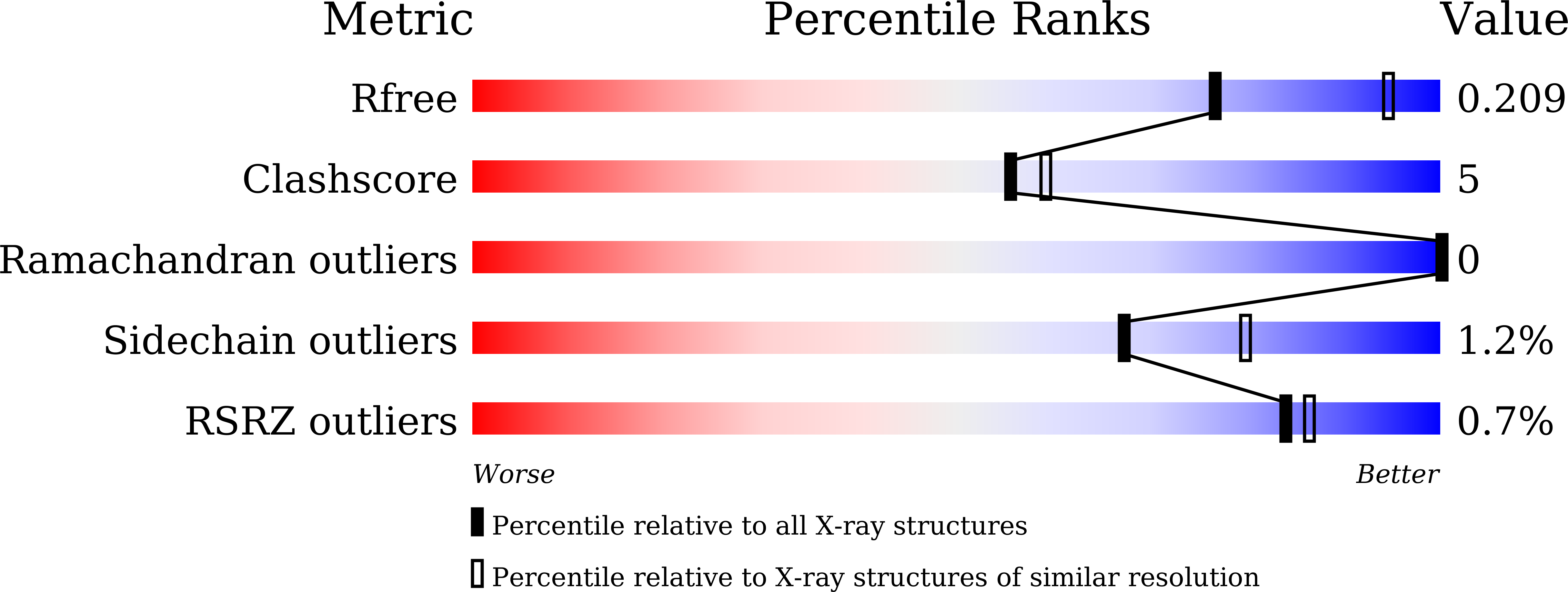
2.35 Å
R-Value Free:
0.20
R-Value Work:
0.16
R-Value Observed:
0.17
Space Group:
P 31
Macromolecular Entities
Protein Blast
Polymer Type:polypeptide(L)
Molecule:cZ22-Fab heavy chain
Chain IDs:A, C, G, I, M, O
Chain Length:236
Number of Molecules:6
Biological Source:Mus musculus
Protein Blast
Polymer Type:polypeptide(L)
Molecule:cZ22-Fab light chain
Chain IDs:B, D, H, J, N, P
Chain Length:214
Number of Molecules:6
Biological Source:Mus musculus
Polymer Type:polydeoxyribonucleotide
Molecule:DNA (5'-D(*CP*GP*CP*GP*CP*GP*
Chain IDs:E, F, K, L, Q, R
Chain Length:7
Number of Molecules:6
Biological Source:Homo sapiens
Ligand Molecules
Primary Citation
Structural basis of B-to-Z DNA transition mediated by an anti-Z-DNA antibody.
Nucleic Acids Res. 54 ? ? (2026)
PMID: 41761907 DOI: 10.1093/nar/gkag160

Abstact

Z-DNA is a left-handed double-helical form of DNA that plays roles in transcription, immune responses, viral infection, bacterial biofilm formation, and autoimmune diseases. Despite its importance, the instability of Z-DNA under physiological conditions has hindered detailed structural and functional investigations. Moreover, although antibodies are known to recognize nucleic acids, the mechanisms underlying their detection and stabilization of dynamic DNA under biological conditions remain unclear. This study provides the first atomic-level structural insights into antibody-mediated B-to-Z DNA transition. Accordingly, a Z-DNA-specific chimeric Fab fragment of Z22 (cZ22-Fab) was designed and characterized using multiple biophysical approaches. cZ22-Fab mediates a concentration-dependent B-to-Z conformational transition in CG-repeat DNA, establishing a stable 2:1 Fab/DNA stoichiometry. Crystal structure of cZ22-Fab/Z-DNA complexes revealed a left-handed DNA backbone-tracking recognition mode, in which cZ22-Fab recognizes Z-DNA conformation through phosphate-clamping and base interactions. Notably, a 5'-end C-hanging Z-DNA duplex structure formed by dC(GC)3 and stabilized by cZ22-Fab was observed. Structure-guided mutagenesis demonstrated that heavy chain residues R50 and Y106 are critical for Z-DNA binding, and analyses of additional Z-DNA-forming sequences further elucidated the binding characteristics. Overall, this work provides molecular insights into the mechanism of antibody-mediated Z-DNA formation and stabilization, highlighting its therapeutic relevance and implications for autoimmunity.

Legend

Protein

Chemical

Disease

Primary Citation of related structures
Feedback Form
Name
Email
Institute
Feedback