

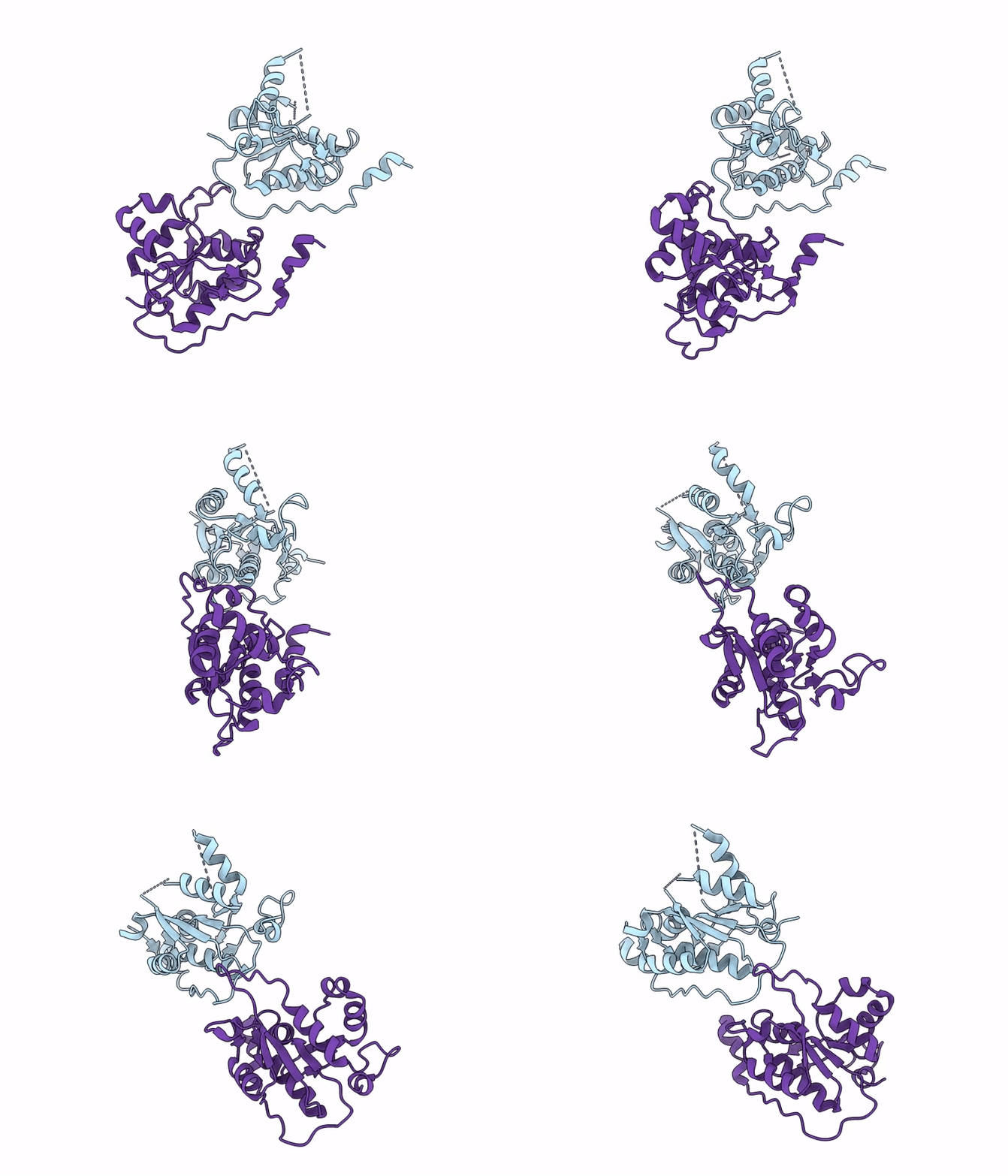
9S2D image
Deposition Date 2025-07-21
Release Date 2025-12-31
Last Version Date 2025-12-31
Entry Detail
PDB ID:
9S2D
Title:
KHNYN exPIN nuclease
Biological Source:
Source Organism(s):
Homo sapiens (Taxon ID: 9606)
Expression System(s):
Method Details:
Experimental Method:
Resolution:
2.35 Å
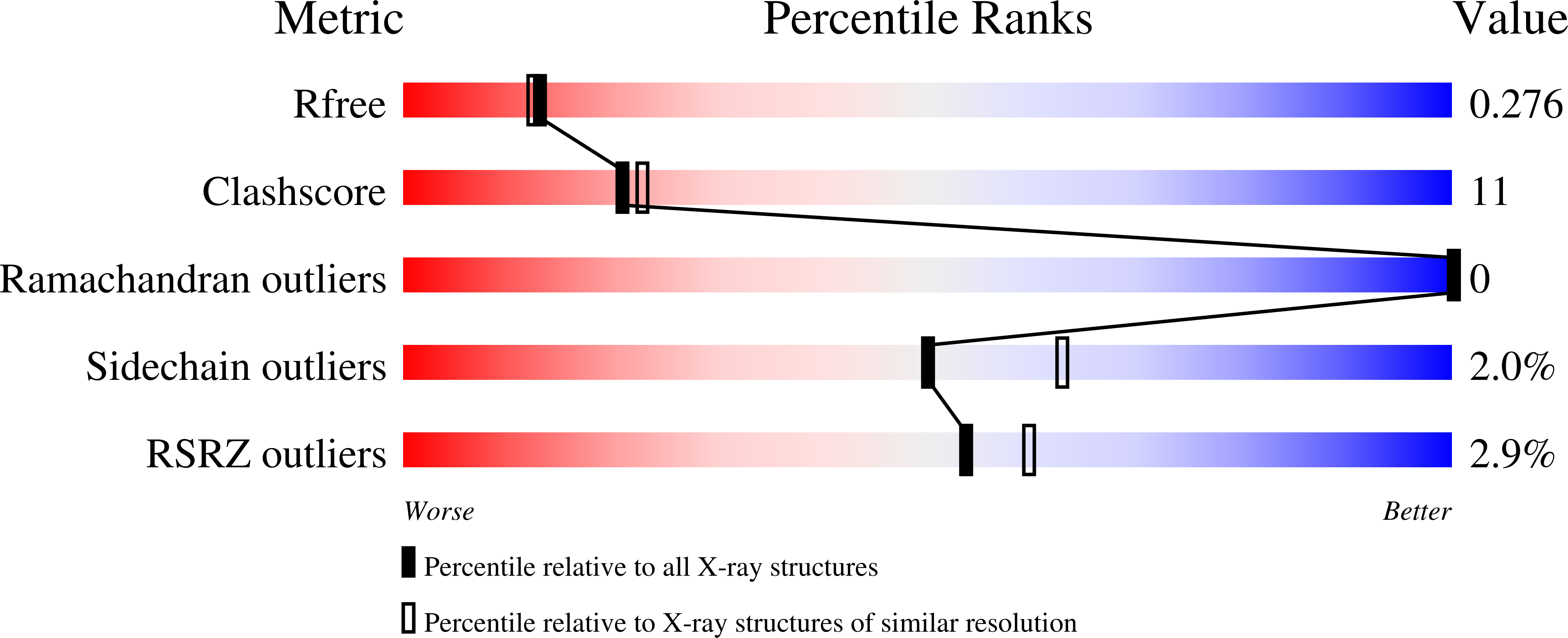
R-Value Free:
0.27
R-Value Work:
0.19
R-Value Observed:
0.20
Space Group:
P 41
Macromolecular Entities
Structures with similar UniProt ID
Protein Blast
Polymer Type:polypeptide(L)
Molecule:Protein KHNYN
Gene (Uniprot):KHNYN
Chain IDs:A, B
Chain Length:184
Number of Molecules:2
Biological Source:Homo sapiens
Primary Citation
KHNYN is a manganese-dependent endoribonuclease required for ZAP-mediated antiviral restriction.
Nucleic Acids Res. 53 ? ? (2025)
PMID: 41404804 DOI: 10.1093/nar/gkaf1360

Abstact

Zinc finger antiviral protein (ZAP) is a cytoplasmic protein central to host innate immunity to viral infection. ZAP has no intrinsic catalytic activity but inhibits viral replication by binding to CpG dinucleotides in cytoplasmic viral RNA and recruiting other factors to inhibit protein synthesis and target the RNA for degradation. KHNYN is a ZAP-binding protein required for ZAP-restriction of CpG-rich viral genomes. It contains an extended diKH, PIN nuclease, and CUElike domain, each of which are required for ZAP restriction of viral replication. Here, we report a structural, enzymological, and virological study of KHNYN's essential PIN nuclease domain. Our crystal structure reveals an extended PIN domain (ex-PIN) containing a conserved N-terminal arm region required for domain stability and an active site tetra-Asp motif, which are both required for antiviral activity. Unlike the weak activity recently reported for the PIN domain, we demonstrate that the KHNYN ex-PIN domain is a highly active Mn2+-dependent single-stranded RNA endonuclease that cleaves with a preference for ApC, ApA, and UpA dinucleotides. These observations extend our view of KHNYN antiviral activity and suggest an unforeseen role for activation by manganese ions in the ZAP-KHNYN antiviral response.

Legend

Protein

Chemical

Disease

Primary Citation of related structures
Feedback Form
Name
Email
Institute
Feedback