

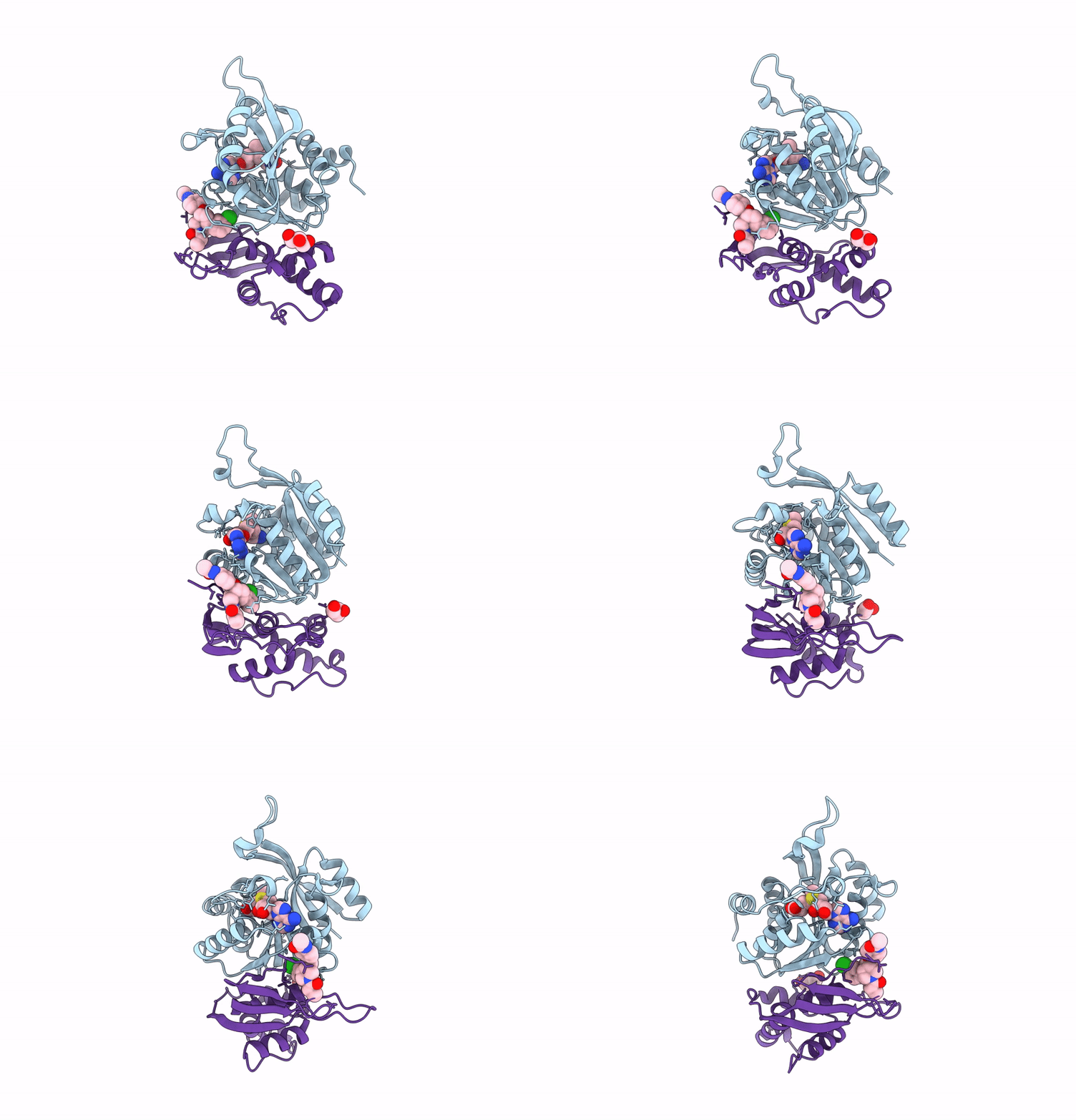
9OHL image
Deposition Date 2025-05-05
Release Date 2025-06-11
Last Version Date 2025-06-11
Entry Detail
PDB ID:
9OHL
Keywords:
Title:
TRMT112-METTL5 bound to SAM and FWG-33B
Biological Source:
Source Organism(s):
Homo sapiens (Taxon ID: 9606)
Expression System(s):
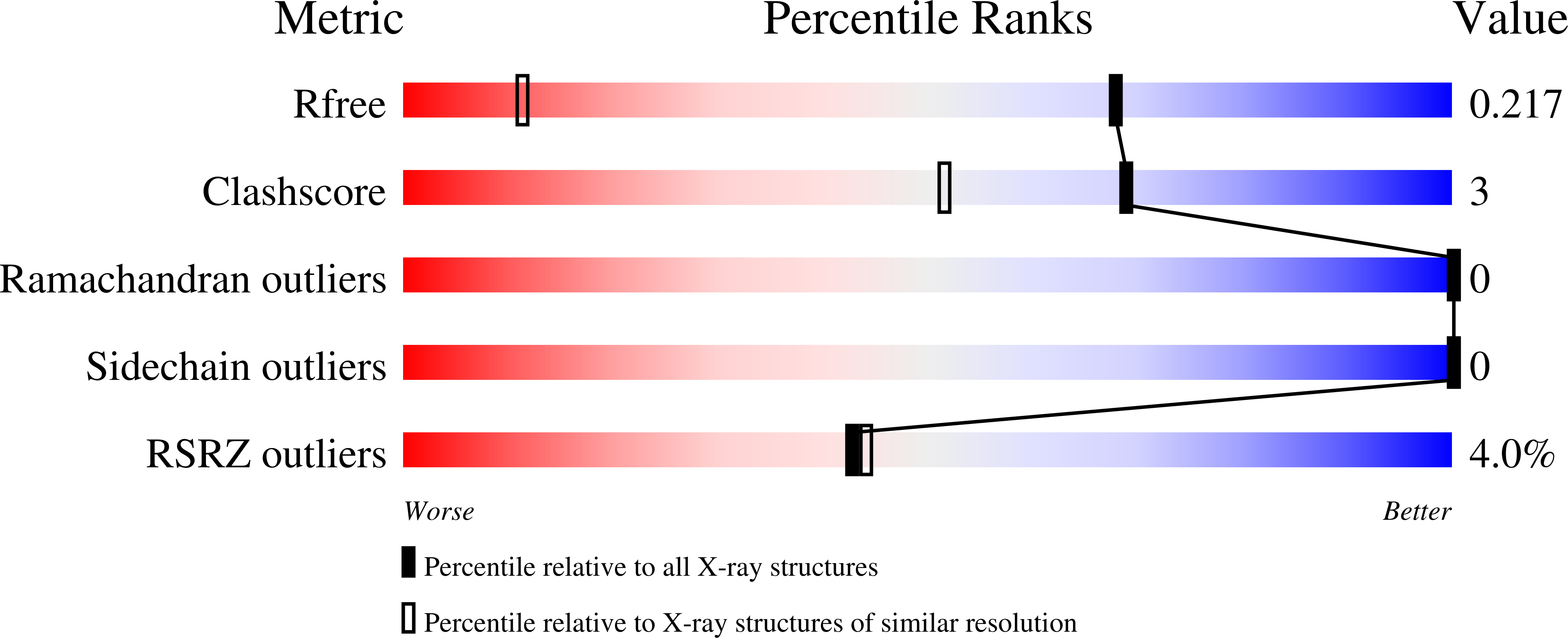
Method Details:
Experimental Method:
Resolution:
1.29 Å
R-Value Free:
0.21
R-Value Work:
0.18
Space Group:
P 21 21 21
Macromolecular Entities
Structures with similar UniProt ID
Protein Blast
Polymer Type:polypeptide(L)
Molecule:rRNA N(6)-adenosine-methyltra
Gene (Uniprot):METTL5
Chain IDs:A (auth: C)
Chain Length:209
Number of Molecules:1
Biological Source:Homo sapiens
Structures with similar UniProt ID
Protein Blast
Polymer Type:polypeptide(L)
Molecule:Multifunctional methyltransfe
Gene (Uniprot):TRMT112
Chain IDs:B (auth: D)
Chain Length:125
Number of Molecules:1
Biological Source:Homo sapiens
Primary Citation
Complexoform-restricted covalent TRMT112 ligands that allosterically agonize METTL5.
Biorxiv ? ? ? (2025)
PMID: 40475643 DOI: 10.1101/2025.05.25.655995

Abstact

Adaptors serve as hubs to regulate diverse protein complexes in cells. This multitude of functions can complicate the study of adaptors, as their genetic disruption may simultaneously impair the activities of several compositionally distinct complexes (or adaptor 'complexoforms'). Here we describe the chemical proteomic discovery of bicyclopyrrolidine acrylamide stereoprobes that react with cysteine-100 (C100) of the methyltransferase (MT) adaptor TRMT112 in human cells. Curiously, the stereoprobes showed negligible reactivity with uncomplexed recombinant TRMT112, and we found that this interaction was restored excluively in the presence of METTL5, but not other MTs. A co-crystal structure revealed stereoprobe binding to a composite pocket proximal to C100 of TRMT112 that is templated by METTL5 and absent in other TRMT112:MT complexes. Structural rearrangements promoted by stereoprobe binding in turn lead to allosteric agonism of METTL5, thus revealing how covalent ligands targeting a pleiotropic adaptor can confer partner-specific functional effects through reactivity with a single complexoform.

Legend

Protein

Chemical

Disease

Primary Citation of related structures
Feedback Form
Name
Email
Institute
Feedback